Editorial brief only. This is not finished article copy and must not be published.
Complete the article in original language, verify every medical claim against the listed sources, and obtain a real clinician review before changing its status.
Primary keyword
is eye pressure of 22 normal
Audience
People who saw an eye pressure reading on a report and want to understand it
Editorial angle
Explains why corneal thickness, time of day and measuring method change the number, and why normal pressure glaucoma exists.
Facts to source and verify
Average intraocular pressure in population studies is about 15 to 16 mmHg and 10 to 21 mmHg is the commonly quoted normal range; pressure varies through the day; thin corneas can make readings appear lower than true pressure; glaucoma can occur at normal pressure; diagnosis needs optic nerve examination, OCT and visual field tests, not pressure alone
Article outline
H2: Quick answer: the normal eye pressure range | H2: What intraocular pressure is | H2: How eye pressure is measured | H3: Air-puff vs Goldmann tonometry | H2: Why one reading is not enough | H2: Corneal thickness and your reading | H2: High pressure without glaucoma | H2: Glaucoma with normal pressure | H2: What to do with a high reading | H2: FAQs
Planned table
IOP reading guide: Reading (mmHg) | What it may mean | Usual next step
Questions to answer
Is 22 mmHg eye pressure dangerous? | Can eye pressure change during the day? | Does high blood pressure raise eye pressure? | Can stress raise eye pressure? | How often should eye pressure be checked after 40? | Can drinking water raise eye pressure?
Sources to verify and cite
AAO EyeSmart (link the topic page): https://www.aao.org/eye-health | Glaucoma Society of India: https://www.glaucomasocietyofindia.org | National Eye Institute (link the topic page): https://www.nei.nih.gov/learn-about-eye-health
Internal link plan
/glaucoma-treatment/eye-pressure-test | eye pressure test and glaucoma check
Support links
/glaucoma-treatment | glaucoma treatment in Delhi | /blog/ocular-hypertension-high-eye-pressure | ocular hypertension | /eye-checkup | eye checkup
Image brief
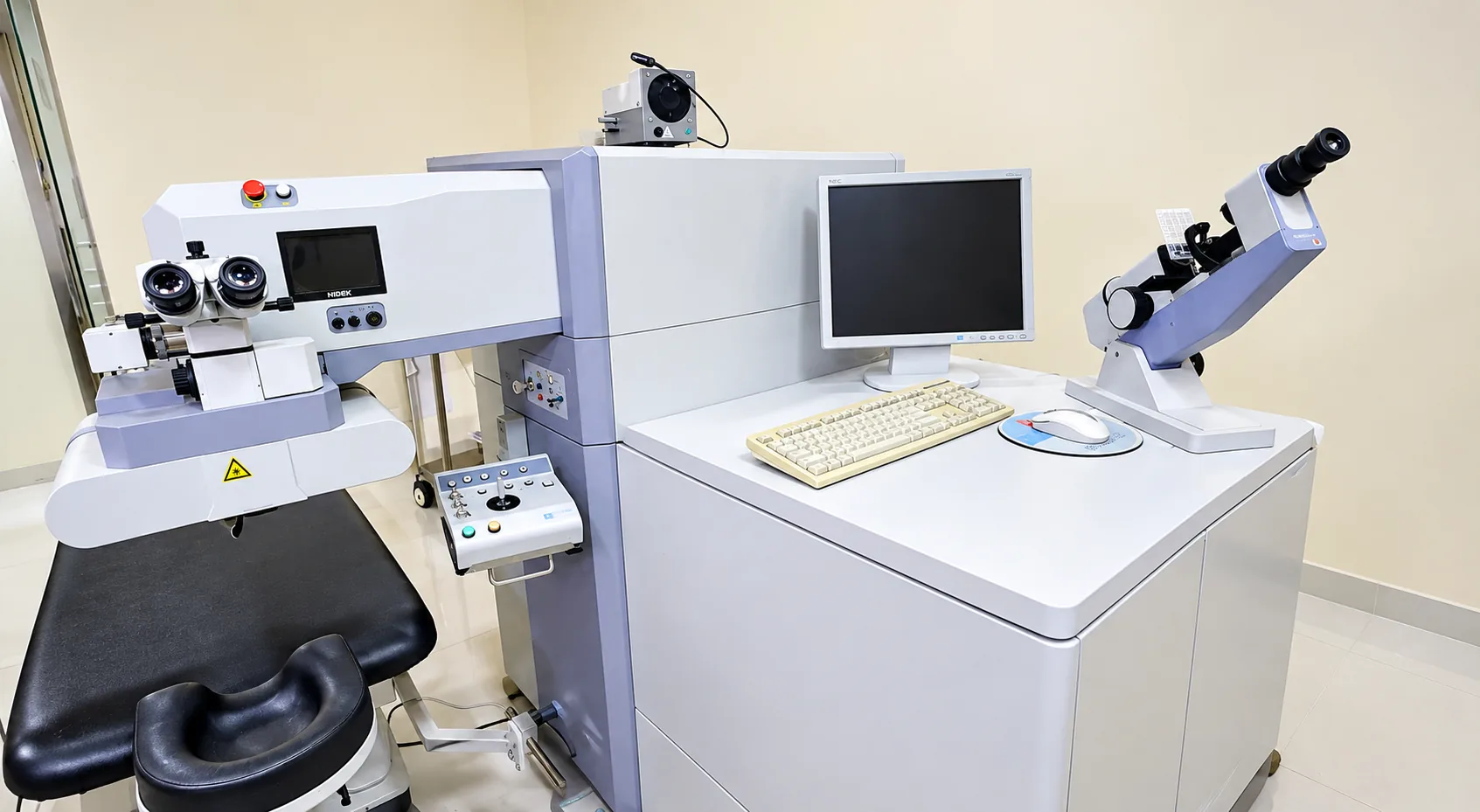
Tonometer touching an eye model with mmHg dial. Alt: Eye pressure measurement with a tonometer
Planned call to action
Book an eye pressure check: after the quick answer and at the end
AI drafting prompt from workbook
You are writing a patient-education article for jaineye.com (Jain Eye Hospital & Laser Centre, Shalimar Bagh, Delhi). Write in UK/Indian English at an 8th-grade reading level, paragraphs of 3 sentences or fewer. Never use em dashes. TITLE (H1): Is an Eye Pressure of 22 Normal? Reading Your IOP Number. URL slug: /blog/is-eye-pressure-22-normal. Meta title: Is an Eye Pressure of 22 Normal? Your IOP Number Explained. Meta description: What an eye pressure reading of 18, 22 or 25 mmHg means, why one number never diagnoses glaucoma, and what tests your doctor adds before deciding. Primary keyword: 'is eye pressure of 22 normal' (use it or its closest natural variant in the H1, and exactly in the first 100 words, one H2 and the meta description; never stuff). Secondary keywords: normal eye pressure range; iop pressure normal; eye pressure level; pressure of eye normal range; intraocular pressure. Audience: People who saw an eye pressure reading on a report and want to understand it. Search intent: Informational. Angle that must make this more useful than current top results: Explains why corneal thickness, time of day and measuring method change the number, and why normal pressure glaucoma exists. Length: 1,800 to 2,200 words. Start with a 50 to 60 word direct answer, then a 'Key facts' box with these facts: Average intraocular pressure in population studies is about 15 to 16 mmHg and 10 to 21 mmHg is the commonly quoted normal range; pressure varies through the day; thin corneas can make readings appear lower than true pressure; glaucoma can occur at normal pressure; diagnosis needs optic nerve examination, OCT and visual field tests, not pressure alone. Use exactly this outline: H2: Quick answer: the normal eye pressure range | H2: What intraocular pressure is | H2: How eye pressure is measured | H3: Air-puff vs Goldmann tonometry | H2: Why one reading is not enough | H2: Corneal thickness and your reading | H2: High pressure without glaucoma | H2: Glaucoma with normal pressure | H2: What to do with a high reading | H2: FAQs. Include this table as an HTML table: IOP reading guide: Reading (mmHg) | What it may mean | Usual next step. End with an FAQ section answering these questions in 40 to 80 words each: Is 22 mmHg eye pressure dangerous? | Can eye pressure change during the day? | Does high blood pressure raise eye pressure? | Can stress raise eye pressure? | How often should eye pressure be checked after 40? | Can drinking water raise eye pressure?. Internal links: add the main money-page link (/glaucoma-treatment/eye-pressure-test | eye pressure test and glaucoma check) once in the first third and once in the conclusion; also add: /glaucoma-treatment | glaucoma treatment in Delhi | /blog/ocular-hypertension-high-eye-pressure | ocular hypertension | /eye-checkup | eye checkup. Cite these sources with links: AAO EyeSmart (link the topic page): https://www.aao.org/eye-health | Glaucoma Society of India: https://www.glaucomasocietyofindia.org | National Eye Institute (link the topic page): https://www.nei.nih.gov/learn-about-eye-health. Add byline 'Jain Eye Hospital editorial team', the line 'Medically reviewed by Dr Arun Kumar Jain or [CONFIRM glaucoma consultant], [qualifications], DMC Reg. [number], on [date]' and a 'Last updated [date]' line. Add the AI-assistance disclosure line from the jaineye.com editorial policy (NMC 2026 requires AI-generated content to be labelled). CTA: Book an eye pressure check: after the quick answer and at the end. Hindi terms to mention naturally: aankh ka pressure; kala motia jaanch. Hero image brief: Tonometer touching an eye model with mmHg dial. Alt: Eye pressure measurement with a tonometer. Output also the JSON-LD for Article + MedicalWebPage + FAQPage + BreadcrumbList. Compliance (India NMC, 6 Oct 2026): no 'best', 'No.1', 'top', 'guaranteed', '100%', 'painless' as a promise, 'permanent cure', success rates, patient numbers, testimonials, before/after images, discounts or free offers; fees only as factual indicative ranges; no other hospital names; no lists of localities. Do not copy text from any website. Mark any fact you are unsure of as [VERIFY] for the doctor reviewer.
Medical reviewer: Hospital to assign and confirm. Review status: Not medically reviewed.
Disclaimer: This article is for general education only and does not replace a personal consultation with an eye specialist.