
Planned page structure
Writer brief, not finished page copy: Children rarely complain about poor vision, so problems like refractive error, squint, lazy eye and myopia are often found late. A paediatric eye check at 6 months, 3 years, before school and every 1 to 2 years after catches them while treatment works well. Add the line: Medically reviewed by Dr ___ [CONFIRM], MS (Ophth), DMC Reg. ___ on [date]; show 'Last updated' date that changes only with real edits.
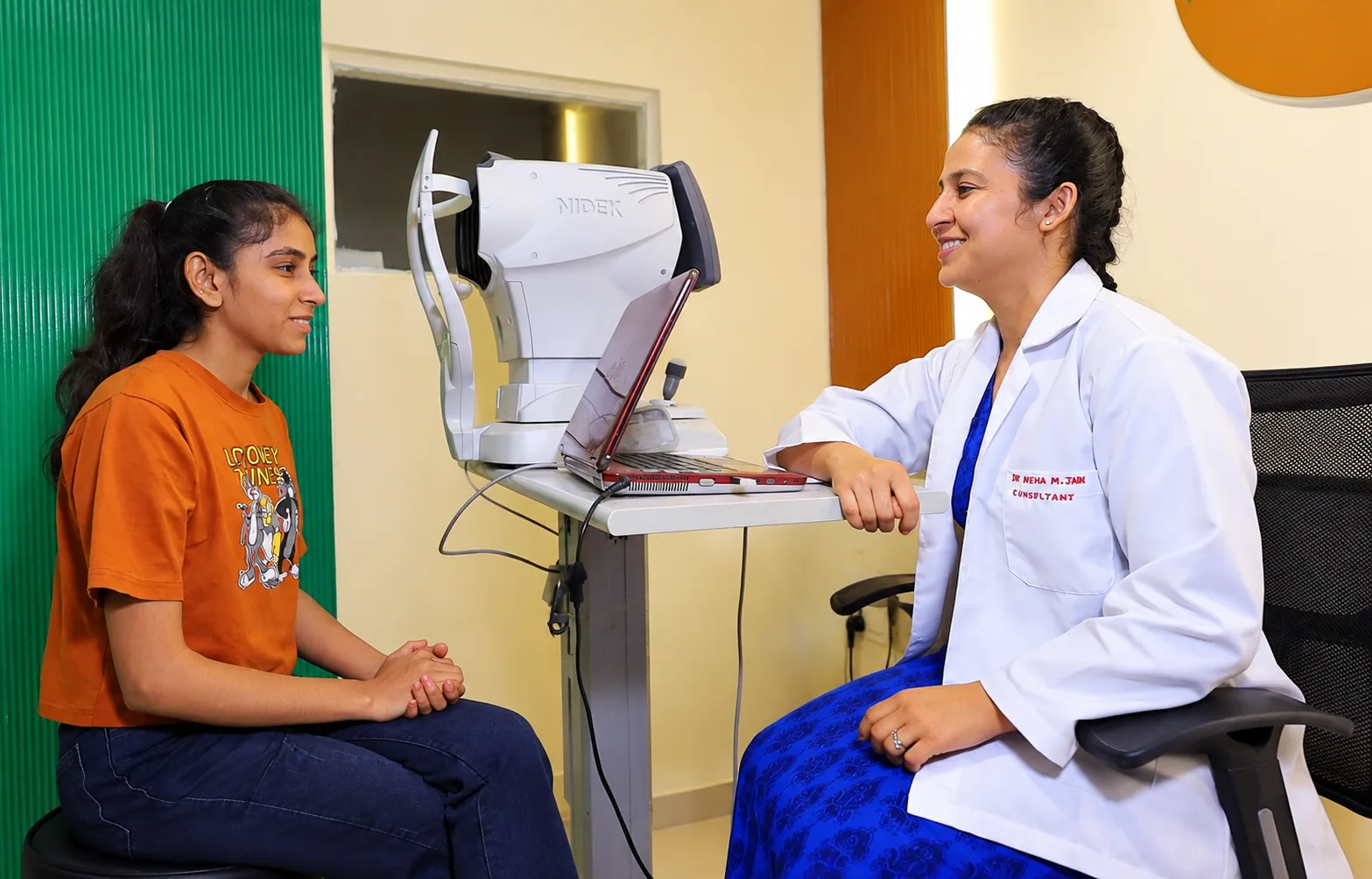
Planned element: Image: Child having a friendly eye test with picture chart at Jain Eye Hospital
Planned next step: Book Appointment (primary, sticky) + Call 9643 900 900 + WhatsApp
Key facts at a glance
Writer brief, not finished page copy: Six one-line, quotable facts for AI answers and featured snippets: first full eye check by 3 years or earlier if a problem is seen; lazy eye treatment works best when started before about 7 to 8 years; children up to the early teens and some adults can still improve; myopia in children is rising with screen time and less outdoor play; squint at any age needs checking, babies do not grow out of a constant squint; premature babies need ROP screening; glasses for children need a dilated eye test.
Planned element: Callout box, bullet list
Planned next step: -
When should children have eye checks?
Writer brief, not finished page copy: Table TB07 schedule by age, then a note on school vision screening limits.
Planned element: Table TB07
Planned next step: Book a Child Eye Check
Warning signs parents should not ignore
Writer brief, not finished page copy: Checklist: eyes not aligned, head tilt, squinting at TV, white reflex in photos, watering, rubbing, sitting close, poor school reading. White pupil reflex needs urgent same-week check.
Planned element: Checklist with red-flag highlight
Planned next step: -
Conditions we treat in children
Writer brief, not finished page copy: Short H3 summaries with link to each page: refractive error and glasses; squint; lazy eye; myopia control; childhood cataract and glaucoma [ONLY IF OFFERED]; eye allergy and spring catarrh; watery eyes in babies; ROP.
Planned element: Card grid linking to child pages
Planned next step: -
Retinopathy of prematurity (ROP)
Writer brief, not finished page copy: Babies born before 34 weeks or under 2 kg need screening within the first month. Link once to ROP care with Dr Neha Mohan.
Planned element: -
Planned next step: -
What happens at a child's eye exam
Writer brief, not finished page copy: Step-by-step: history, vision with picture or letter charts, alignment, cycloplegic drops for accurate glasses power (wait 30 to 45 minutes), retina check. How we make it child-friendly. Allow time: a full first visit with dilation usually takes 1.5 to 2.5 hours.
Planned element: Numbered steps + photo (alt 'paediatric eye exam room with toys and charts')
Planned next step: -
Glasses for children: getting it right
Writer brief, not finished page copy: Lens material (polycarbonate), flexible frames, fitting, full-time wear rules, review in 6 to 12 months. Explain why online kids' glasses without a dilated test cause problems.
Planned element: Tips list
Planned next step: -
Screens, outdoor time and children's eyes
Writer brief, not finished page copy: Evidence-based: 2 hours outdoor daylight a day lowers myopia risk; 20-20-20 rule; no screens under 2; Delhi pollution days and indoor alternatives. Link myopia control page.
Planned element: Infographic
Planned next step: -
Fees for children's eye care
Writer brief, not finished page copy: Point to TB08 (in squint page) and /treatment-costs; checkup and glasses consultation fees.
Planned element: Link card
Planned next step: Get a Cost Estimate
What to expect at Jain Eye Hospital
Writer brief, not finished page copy: Factual only: who sees children [CONFIRM named paediatric doctor], orthoptist [CONFIRM], child-friendly room, same-visit cycloplegic test, written plan for school. No comparisons.
Planned element: Icon list
Planned next step: -
Your doctor at Jain Eye Hospital
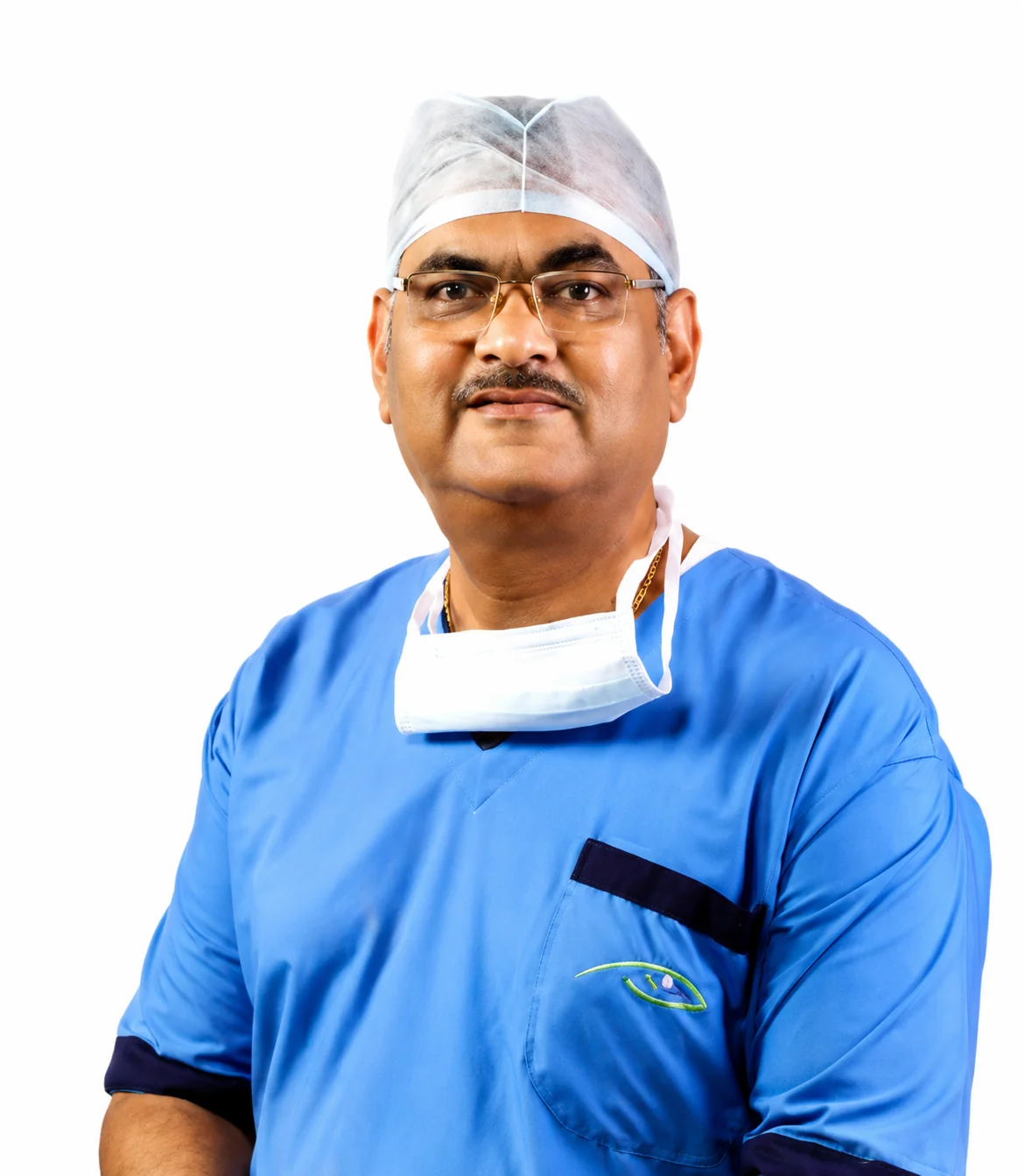
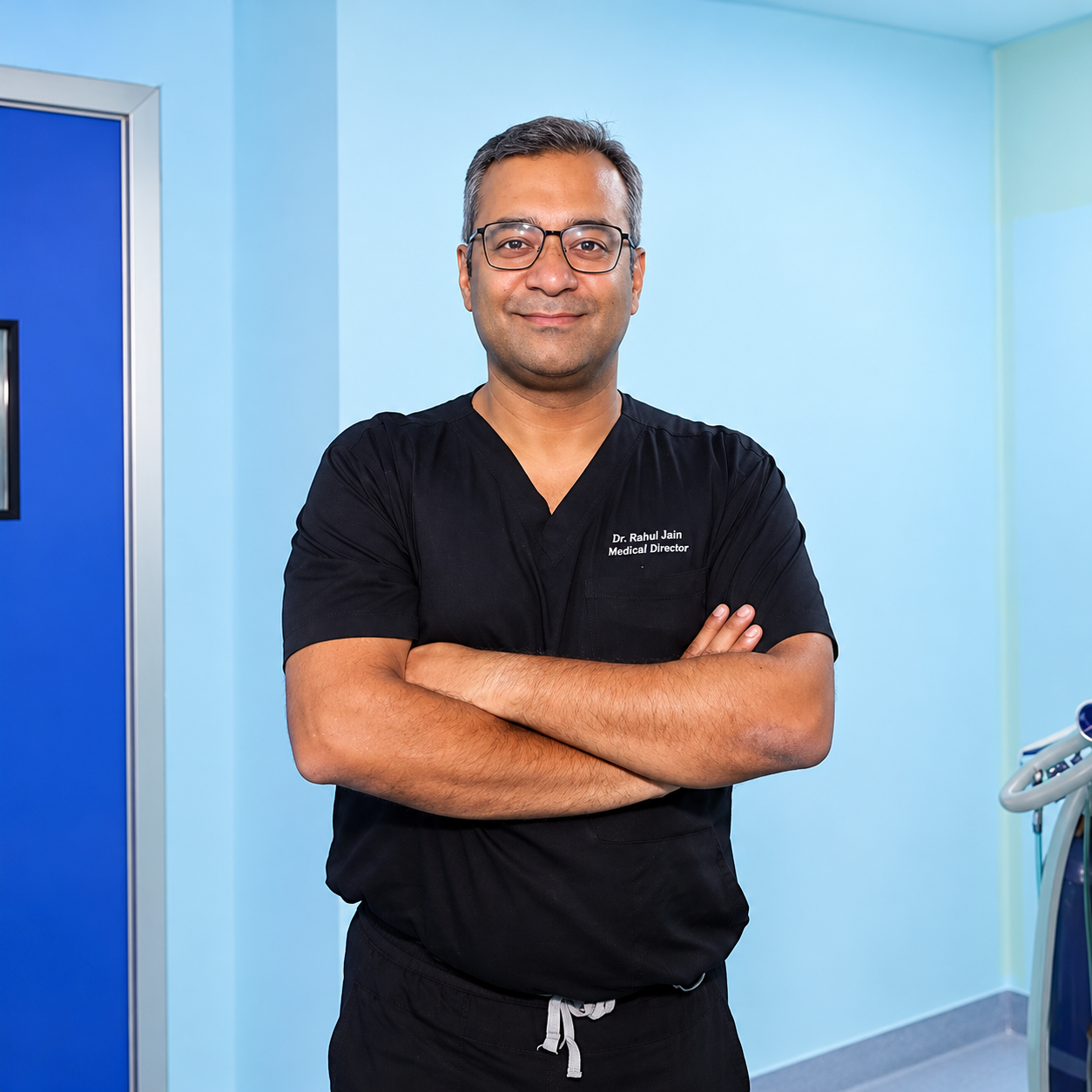
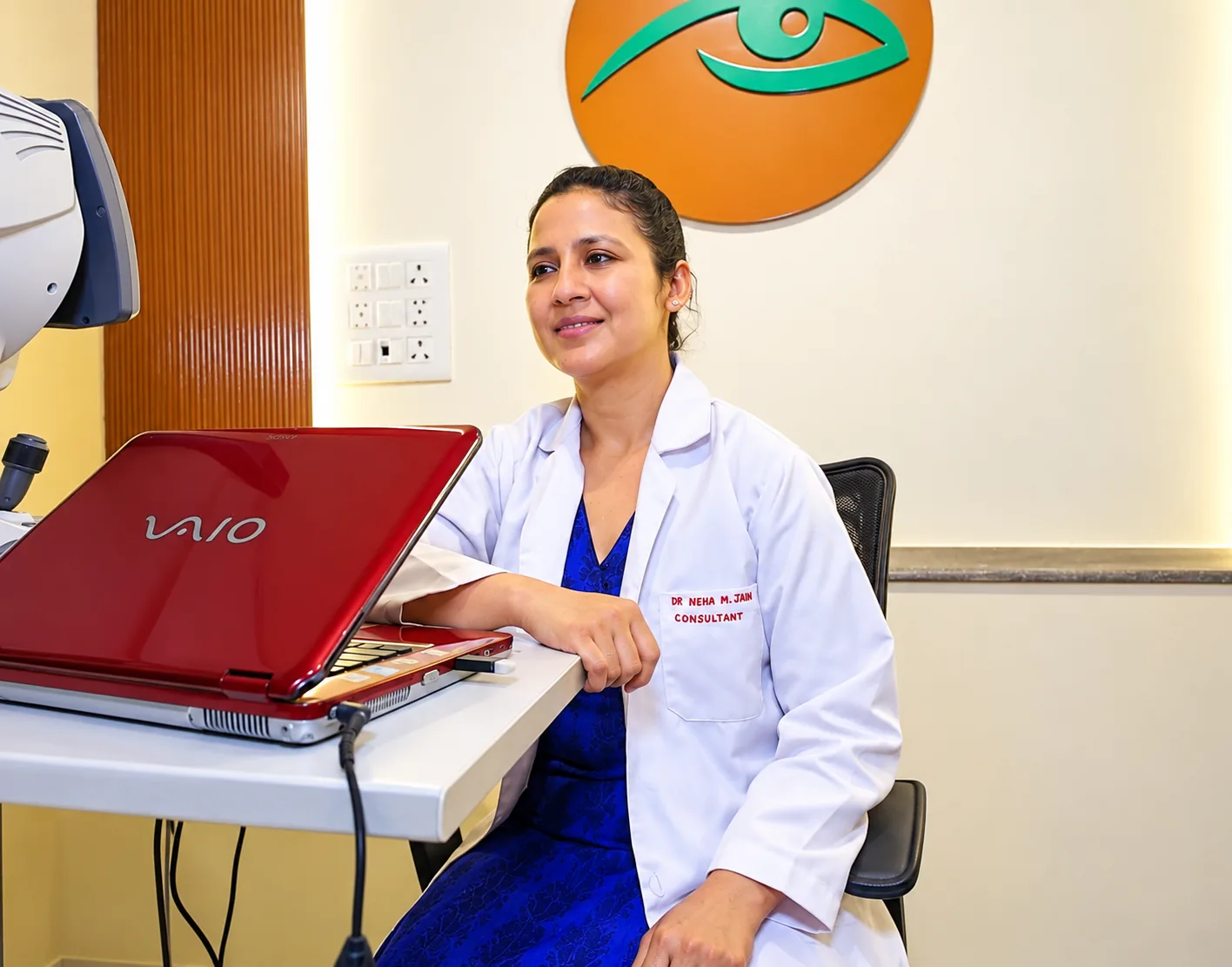
Writer brief, not finished page copy: Directory-style block for [CONFIRM named paediatric doctor]: name, degrees, DMC registration number, years in practice, OPD days, languages. Factual only, no promotional photo captions, link to /doctors profile.
Planned element: Doctor card (photo with alt 'Dr name, ophthalmologist at Jain Eye Hospital')
Planned next step: View profile
Location, timings and how to reach us
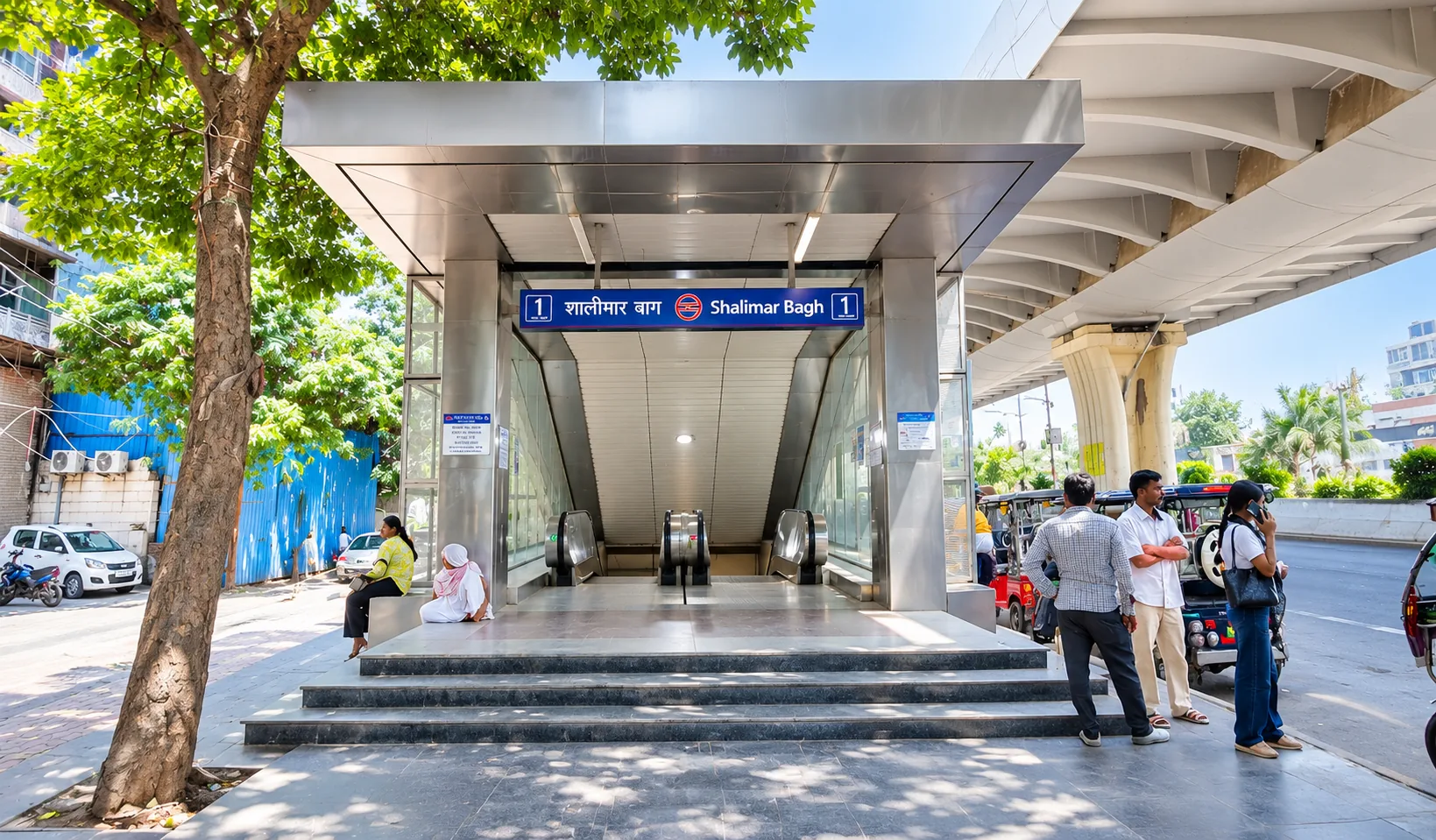
Writer brief, not finished page copy: Address AG-152, Poorbi Shalimar Bagh, Delhi 110088; OPD timings table [CONFIRM]; nearest metro stations (Shalimar Bagh on the Pink Line; Haiderpur Badli Mor on the Yellow Line) [CONFIRM walking distances] and 1-line routes from Rohini, Pitampura, Ashok Vihar. Embedded map.
Planned element: Embedded Google Map + timings table
Planned next step: Get Directions
Frequently asked questions
Writer brief, not finished page copy: Render every question as an H3 with a 40 to 80 word answer-first reply (see FAQ Bank). Keep FAQPage JSON-LD for entity clarity (no rich result since May 2026).
Planned element: Accordion (content visible in HTML, not JS-only)
Planned next step: -
References and sources
Writer brief, not finished page copy: List 3 to 5 linked primary sources: AAPOS parent resources; AAO pediatric eye screening guideline; WHO World Report on Vision; Indian Journal of Ophthalmology on childhood myopia in India. Plus editorial policy link.
Planned element: Numbered list with outbound links
Planned next step: -
Book your visit
Writer brief, not finished page copy: Two-line closing: what happens at the first visit and that a full first visit with dilation usually takes 1.5 to 2.5 hours. No offers, no urgency gimmicks.
Planned element: Full-width CTA band
Planned next step: Book a Child Eye Check