


Planned page structure
Writer brief, not finished page copy: Myopia control means slowing how fast a child's minus power increases. Low-dose atropine drops, special myopia control spectacle lenses, myopia control contact lenses and ortho-k lenses can each slow progression, alongside about 2 hours of outdoor daylight a day. Add the line: Medically reviewed by Dr ___ [CONFIRM], MS (Ophth), DMC Reg. ___ on [date]; show 'Last updated' date that changes only with real edits.
Planned element: Image: Child wearing myopia control spectacles outdoors
Planned next step: Book Appointment (primary, sticky) + Call 9643 900 900 + WhatsApp
Key facts at a glance
Writer brief, not finished page copy: Six one-line, quotable facts for AI answers and featured snippets: childhood myopia is rising in Indian cities; higher myopia raises lifelong risk of retinal detachment and glaucoma; low-dose atropine and myopia control lenses slow progression, they do not reverse it; outdoor time helps prevent onset; treatment needs 6-monthly checks; start early when power rises fast.
Planned element: Callout box, bullet list
Planned next step: -
Why myopia control matters
Writer brief, not finished page copy: Explain axial length growth and higher lifetime risks with high myopia; link high myopia retina guidance. Normal glasses correct blur but do not slow progression.
Planned element: Graph of power over age with and without control (illustrative)
Planned next step: -
Is my child a candidate?
Writer brief, not finished page copy: Age 6 to 14 typical, power increasing 0.5 D or more per year, parental myopia, early onset.
Planned element: Checklist
Planned next step: Book a Myopia Assessment
Myopia control options compared
Writer brief, not finished page copy: Table TB11 comparing atropine, DIMS/HAL spectacles, myopia control soft contacts, ortho-k. (internal note, never name on page) No Delhi competitor page compares these with costs.
Planned element: Table TB11
Planned next step: -
Low-dose atropine drops
Writer brief, not finished page copy: Strength range (commonly 0.01% to 0.05%), nightly use, side effects, evidence (LAMP, ATOM2), prescription only. Clarify it differs from the 1% atropine used to treat lazy eye.
Planned element: -
Planned next step: -
Myopia control spectacle lenses
Writer brief, not finished page copy: Defocus designs (DIMS/HAL type), full-time wear, adaptation, brands stocked [CONFIRM].
Planned element: Image (alt 'myopia control spectacle lens design')
Planned next step: -
Myopia control contact lenses and ortho-k [ONLY IF OFFERED]
Writer brief, not finished page copy: Daily soft lenses for older children; overnight ortho-k; hygiene and infection risk.
Planned element: -
Planned next step: -
Lifestyle: outdoor time and screens
Writer brief, not finished page copy: 2 hours daylight, 20-20-20, reading distance, Delhi smog days indoor bright-light alternatives.
Planned element: Infographic
Planned next step: -
How we measure progress
Writer brief, not finished page copy: Cycloplegic refraction and axial length biometry every 6 months [CONFIRM device]; what counts as success.
Planned element: -
Planned next step: -
Costs of myopia control
Writer brief, not finished page copy: Annual cost table TB11 column; link /treatment-costs.
Planned element: Table TB11 cost column
Planned next step: Get a Cost Estimate
Location, timings and how to reach us
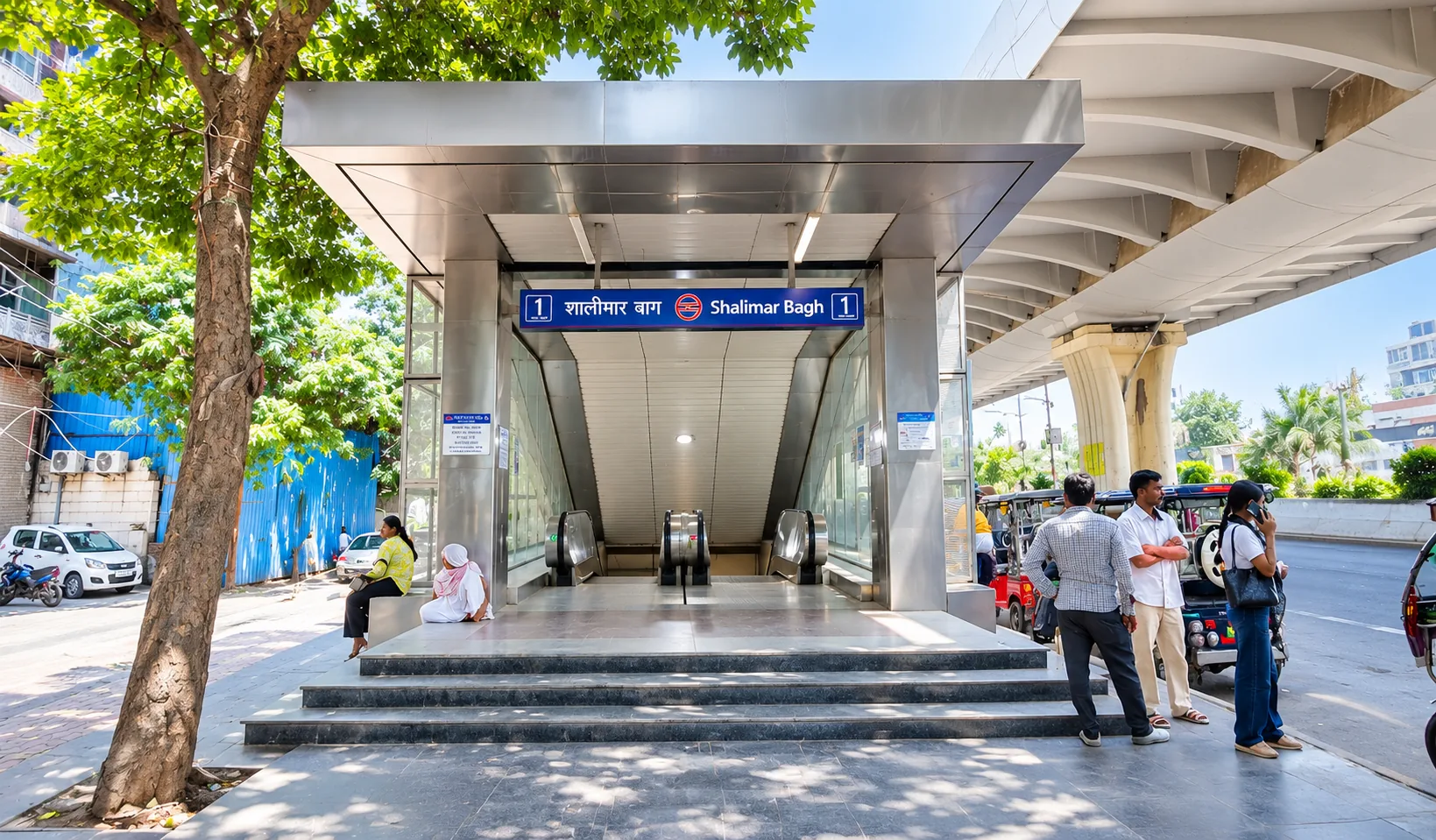
Writer brief, not finished page copy: Address AG-152, Poorbi Shalimar Bagh, Delhi 110088; OPD timings table [CONFIRM]; nearest metro stations (Shalimar Bagh on the Pink Line; Haiderpur Badli Mor on the Yellow Line) [CONFIRM walking distances] and 1-line routes from Rohini, Pitampura, Ashok Vihar. Embedded map.
Planned element: Embedded Google Map + timings table
Planned next step: Get Directions
Frequently asked questions
Writer brief, not finished page copy: Render every question as an H3 with a 40 to 80 word answer-first reply (see FAQ Bank). Keep FAQPage JSON-LD for entity clarity (no rich result since May 2026).
Planned element: Accordion (content visible in HTML, not JS-only)
Planned next step: -
References and sources
Writer brief, not finished page copy: List 3 to 5 linked primary sources: ATOM2 and LAMP atropine studies; IMI white papers; AAO myopia control; WHO. Plus editorial policy link.
Planned element: Numbered list with outbound links
Planned next step: -
Book your visit
Writer brief, not finished page copy: Two-line closing: what happens at the first visit and that a full first visit with dilation usually takes 1.5 to 2.5 hours. No offers, no urgency gimmicks.
Planned element: Full-width CTA band
Planned next step: Book a Myopia Control Assessment