


Planned page structure
Writer brief, not finished page copy: Lazy eye (amblyopia) is reduced vision in one eye because the brain has favoured the other eye during childhood. It is treated by correcting glasses and then making the weaker eye work, with patching, 1% atropine drops or vision therapy. Treatment works best when started before about 7 to 8 years; children up to the early teens and some adults can still improve. Add the line: Medically reviewed by Dr ___ [CONFIRM], MS (Ophth), DMC Reg. ___ on [date]; show 'Last updated' date that changes only with real edits.
Planned element: Image: Child wearing an eye patch while reading
Planned next step: Book Appointment (primary, sticky) + Call 9643 900 900 + WhatsApp
Key facts at a glance
Writer brief, not finished page copy: Six one-line, quotable facts for AI answers and featured snippets: amblyopia affects about 2 to 3 in 100 children; glasses alone fix some cases; patching usually 2 to 6 hours a day; 1% atropine drops (penalisation) are an alternative to patching, unlike the low-dose atropine used for myopia control; treatment works best when started before about 7 to 8 years; children up to the early teens and some adults can still improve; it does not correct itself.
Planned element: Callout box, bullet list
Planned next step: -
What is a lazy eye?
Writer brief, not finished page copy: Explain brain-eye development, why the eye looks normal yet sees poorly, and that 'lazy eye' is not a drooping eyelid (ptosis).
Planned element: Diagram (alt 'how the brain ignores a lazy eye')
Planned next step: -
Causes of amblyopia
Writer brief, not finished page copy: Squint, unequal glasses power (anisometropia), high power in both eyes, cataract or droopy lid blocking vision.
Planned element: List
Planned next step: -
Signs parents can look for
Writer brief, not finished page copy: Usually none; covering one eye causes distress; squint; poor depth judgement. School screening misses many.
Planned element: Checklist
Planned next step: Book a Child Eye Check
Treatment options by age
Writer brief, not finished page copy: Glasses first for 6 to 16 weeks, then patching or 1% atropine; dichoptic digital therapy [ONLY IF OFFERED]. Table TB10.
Planned element: Table TB10
Planned next step: -
Patching: how many hours and how to make it work
Writer brief, not finished page copy: Typical prescription 2 to 6 hours a day; activities during patching; adhesive vs cloth patch; skin care; compliance tips for Delhi school timings.
Planned element: Tips list
Planned next step: -
Atropine drops as an alternative
Writer brief, not finished page copy: 1% atropine in the stronger eye (penalisation): how blurring it makes the weaker eye work, daily or weekend dosing as prescribed, side effects (light sensitivity, near blur, rare flushing), safe storage. State clearly this is not the low-dose atropine (0.01% to 0.05%) used for myopia control.
Planned element: -
Planned next step: -
Vision therapy and digital treatments
Writer brief, not finished page copy: What the evidence supports; supervised sessions; limits. [ONLY IF OFFERED] for programmes.
Planned element: -
Planned next step: -
Can adults with lazy eye be treated?
Writer brief, not finished page copy: Honest: treatment works best when started before about 7 to 8 years; children up to the early teens and some adults can still improve; gains are smaller after childhood; some benefit from glasses and therapy; surgery straightens squint but does not fix amblyopia; LASIK does not cure lazy eye.
Planned element: -
Planned next step: -
Follow-up and avoiding relapse
Writer brief, not finished page copy: Visits every 6 to 12 weeks, tapering patching, relapse risk.
Planned element: -
Planned next step: -
Costs
Writer brief, not finished page copy: Point to /treatment-costs for consult, cycloplegic test, glasses review, therapy sessions.
Planned element: Link card
Planned next step: Get a Cost Estimate
Location, timings and how to reach us
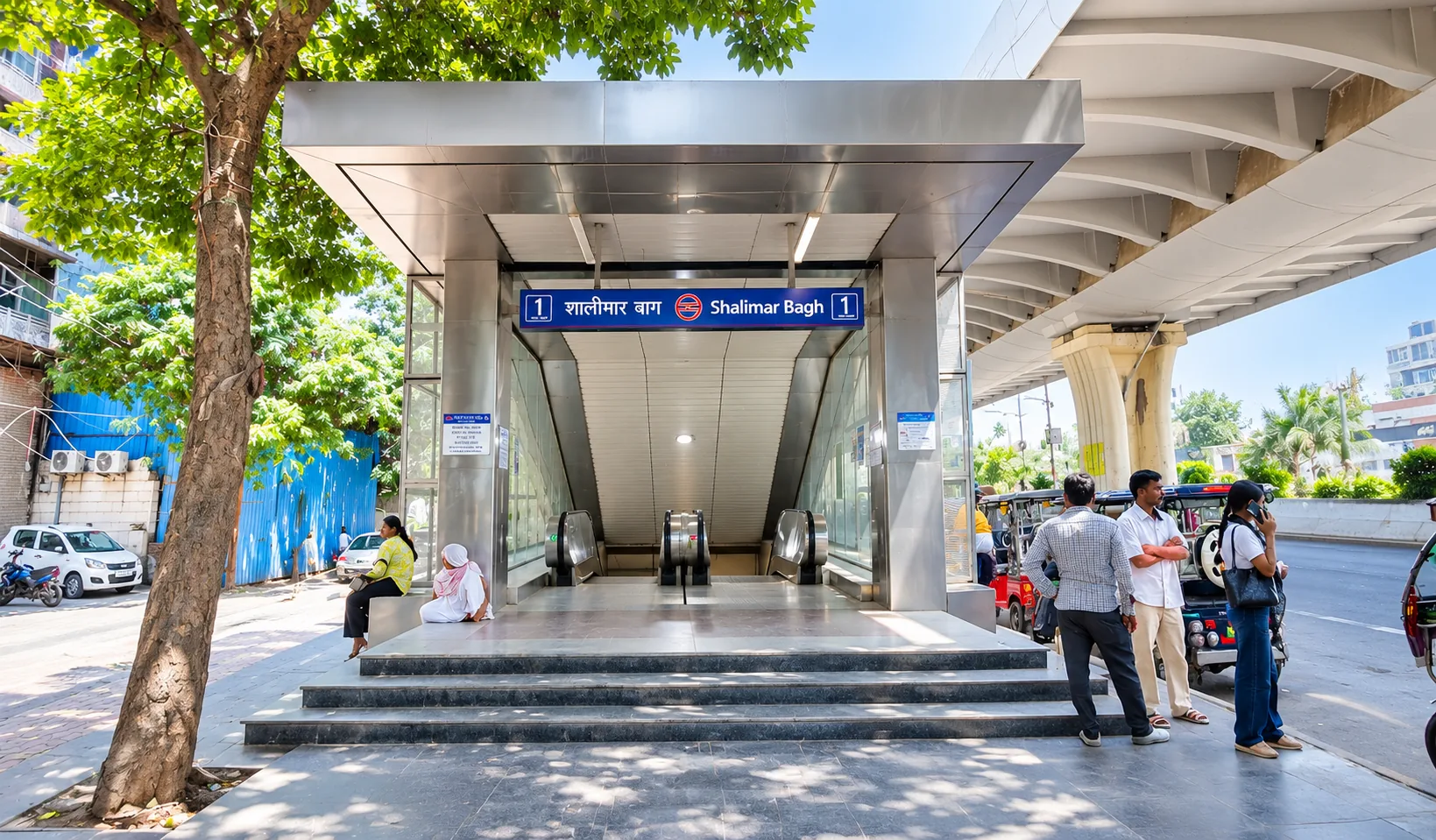
Writer brief, not finished page copy: Address AG-152, Poorbi Shalimar Bagh, Delhi 110088; OPD timings table [CONFIRM]; nearest metro stations (Shalimar Bagh on the Pink Line; Haiderpur Badli Mor on the Yellow Line) [CONFIRM walking distances] and 1-line routes from Rohini, Pitampura, Ashok Vihar. Embedded map.
Planned element: Embedded Google Map + timings table
Planned next step: Get Directions
Frequently asked questions
Writer brief, not finished page copy: Render every question as an H3 with a 40 to 80 word answer-first reply (see FAQ Bank). Keep FAQPage JSON-LD for entity clarity (no rich result since May 2026).
Planned element: Accordion (content visible in HTML, not JS-only)
Planned next step: -
References and sources
Writer brief, not finished page copy: List 3 to 5 linked primary sources: PEDIG amblyopia trials; AAPOS amblyopia page; AAO; Indian Journal of Ophthalmology. Plus editorial policy link.
Planned element: Numbered list with outbound links
Planned next step: -
Book your visit
Writer brief, not finished page copy: Two-line closing: what happens at the first visit and that a full first visit with dilation usually takes 1.5 to 2.5 hours. No offers, no urgency gimmicks.
Planned element: Full-width CTA band
Planned next step: Book a Lazy Eye Assessment