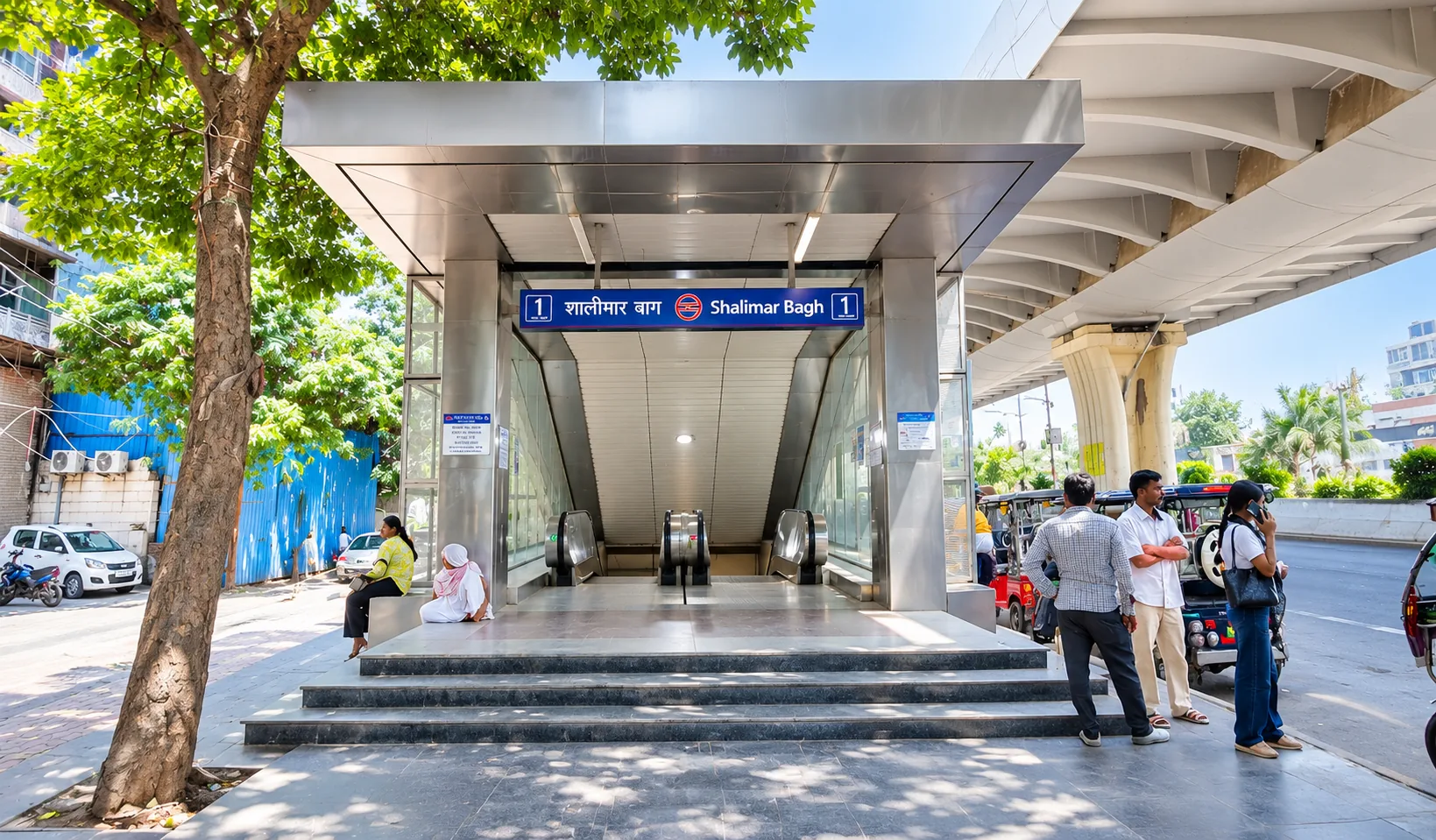
Shalimar Bagh, Delhi
Blueprint page S14 · P1

Cornea Treatment and Corneal Transplant

Cornea care at Jain Eye Hospital, Delhi: corneal transplant, keratoconus cross-linking, pterygium surgery and corneal infections, with fees and recovery.

Review draft — not ready to publish

This page is hidden from search engines. The workbook contains a content brief, not finished copy. Hospital-confirmation items and clinical information must be completed and reviewed before publication.

Hospital confirmation needed

Eye bank tie-up; transplant types done (PK/DALK/DSEK/DMEK)

Planned page structure

Writer brief, not finished page copy: Answer-first: the cornea service at Jain Eye Hospital treats keratoconus, corneal infections and ulcers, pterygium and corneal scars, including corneal transplant (keratoplasty) when the cornea cannot be repaired. Add "Medically reviewed by Dr ___, MS (Ophth), DMC Reg. ___, on [date]" and "Last updated [date]" directly under the H1.

Planned element: -

Planned next step: Book a cornea consultation

Key facts

Writer brief, not finished page copy: Facts: what the cornea is; transplant types; donor cornea via eye bank [CONFIRM tie-up]; recovery months not days; keratoconus cross-linking aims to slow progression.

Planned element: Callout

Planned next step: -

Common cornea problems

Writer brief, not finished page copy: Overview list with symptoms: keratoconus, corneal ulcer, scars, Fuchs dystrophy, pterygium, dry eye link.

Planned element: List

Planned next step: -

Keratoconus treatment

Writer brief, not finished page copy: Signs (changing cylinder, ghosting), tests (topography/tomography), options: specs, rigid or scleral lenses, corneal collagen cross-linking, ring segments [ONLY IF OFFERED], transplant in advanced cases. One link to Dr Rajat Jain's cornea guide.

Planned element: Image alt: 'Corneal topography map of keratoconus'

Planned next step: -

Corneal transplant (keratoplasty)

Writer brief, not finished page copy: When needed; full vs partial thickness; donor tissue; surgery day; rejection warning signs (RSVP: redness, sensitivity, vision drop, pain).

Planned element: Table TA13

Planned next step: -

Pterygium surgery

Writer brief, not finished page copy: What it is, Delhi sun and dust link, when to operate, conjunctival autograft with glue reduces recurrence risk (state as technique, not a rate).

Planned element: -

Planned next step: -

Corneal infections and ulcers

Writer brief, not finished page copy: Contact lens risk, same-day care, culture tests, avoid steroid self-medication.

Planned element: Warning callout

Planned next step: Call if you have a painful red eye

Recovery after cornea surgery

Writer brief, not finished page copy: Recovery timelines by procedure; stitches; drops for months; follow-up schedule.

Planned element: -

Planned next step: -

Cornea treatment costs

Writer brief, not finished page copy: TA14 fee table per eye (transplant types, cross-linking, pterygium) with Jain Eye fee column and Delhi range where known; 'not found' ranges marked as 'quoted after examination'.

Planned element: Table TA14

Planned next step: Get a cornea fee estimate

Eye donation and the eye bank

Writer brief, not finished page copy: How to pledge eyes in Delhi, eye bank links (National Programme for Control of Blindness), dispel myths; good E-E-A-T community content.

Planned element: -

Planned next step: Pledge your eyes (link to national pledge)

What to expect at Jain Eye Hospital

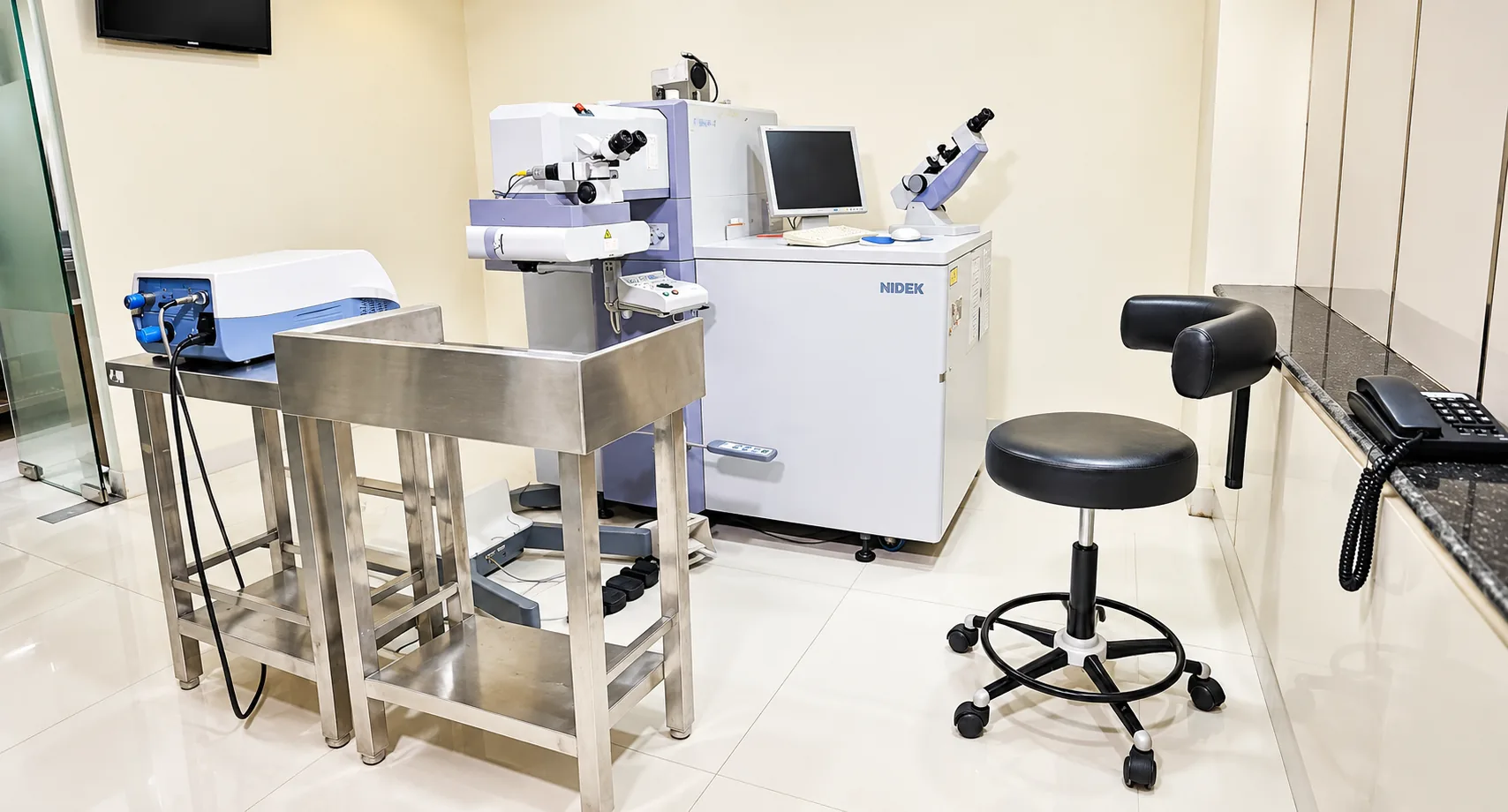
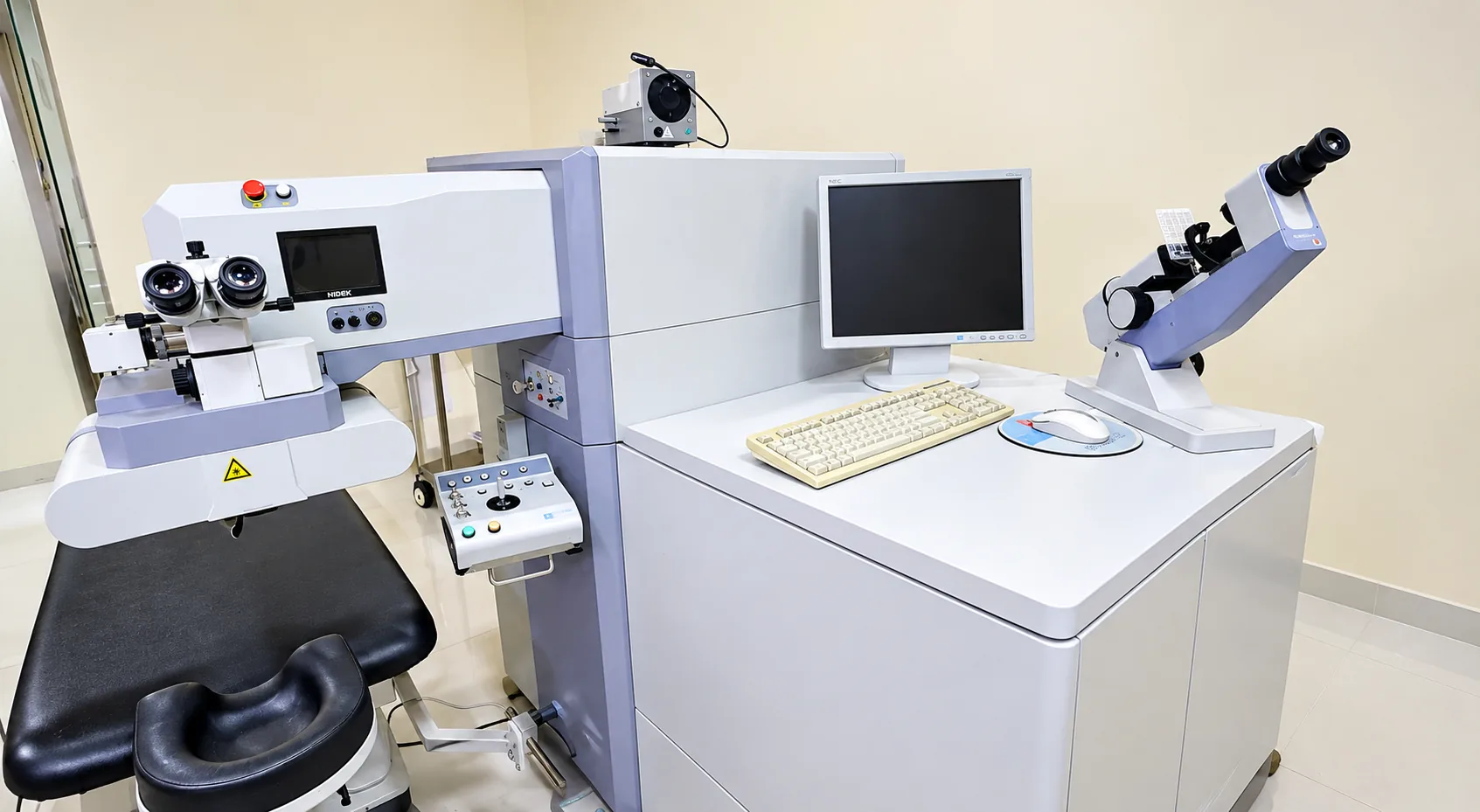
Writer brief, not finished page copy: Factual, no promotional tone: cornea-trained surgeon, topography equipment owned, Shalimar Bagh location.

Planned element: -

Planned next step: -

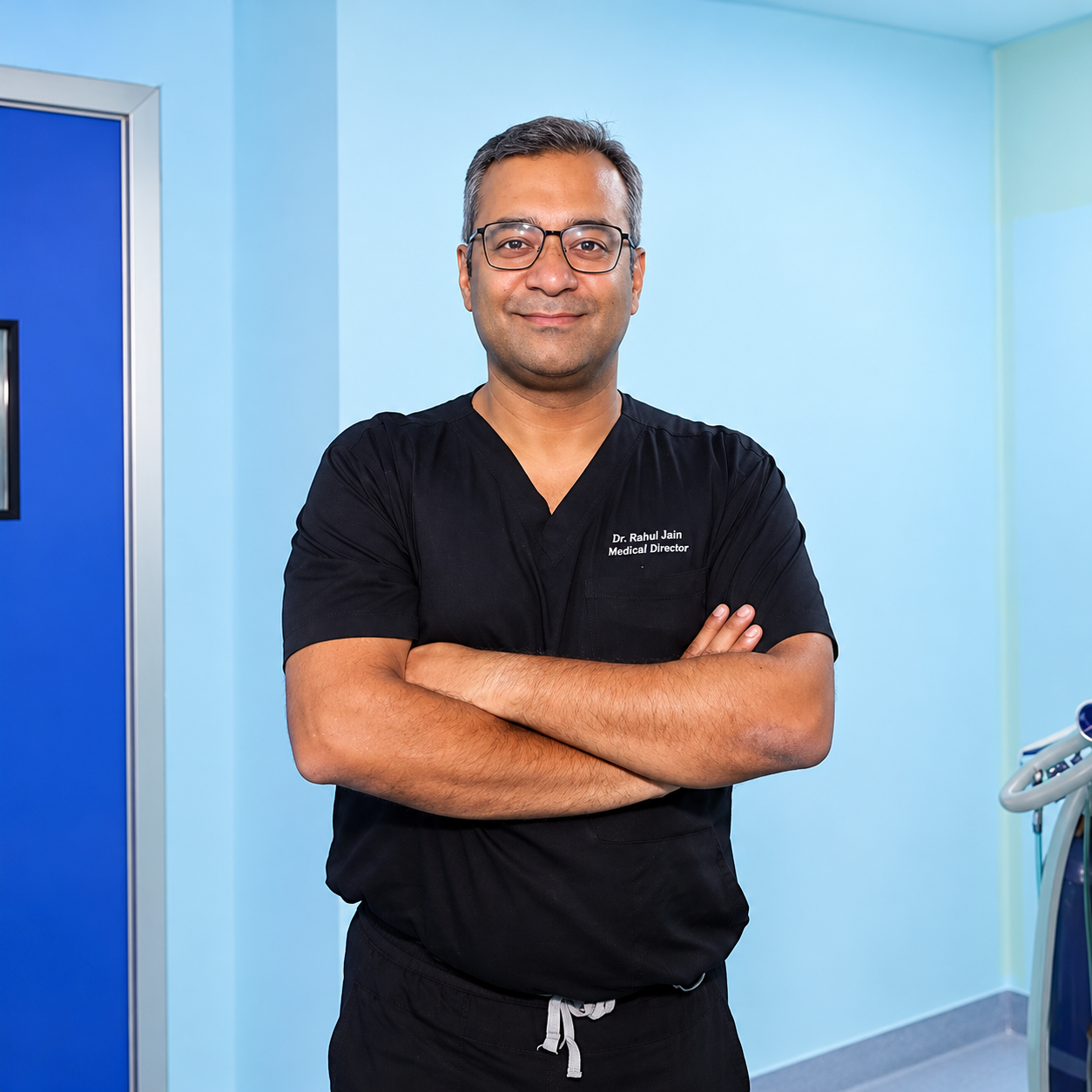
Your cornea surgeon

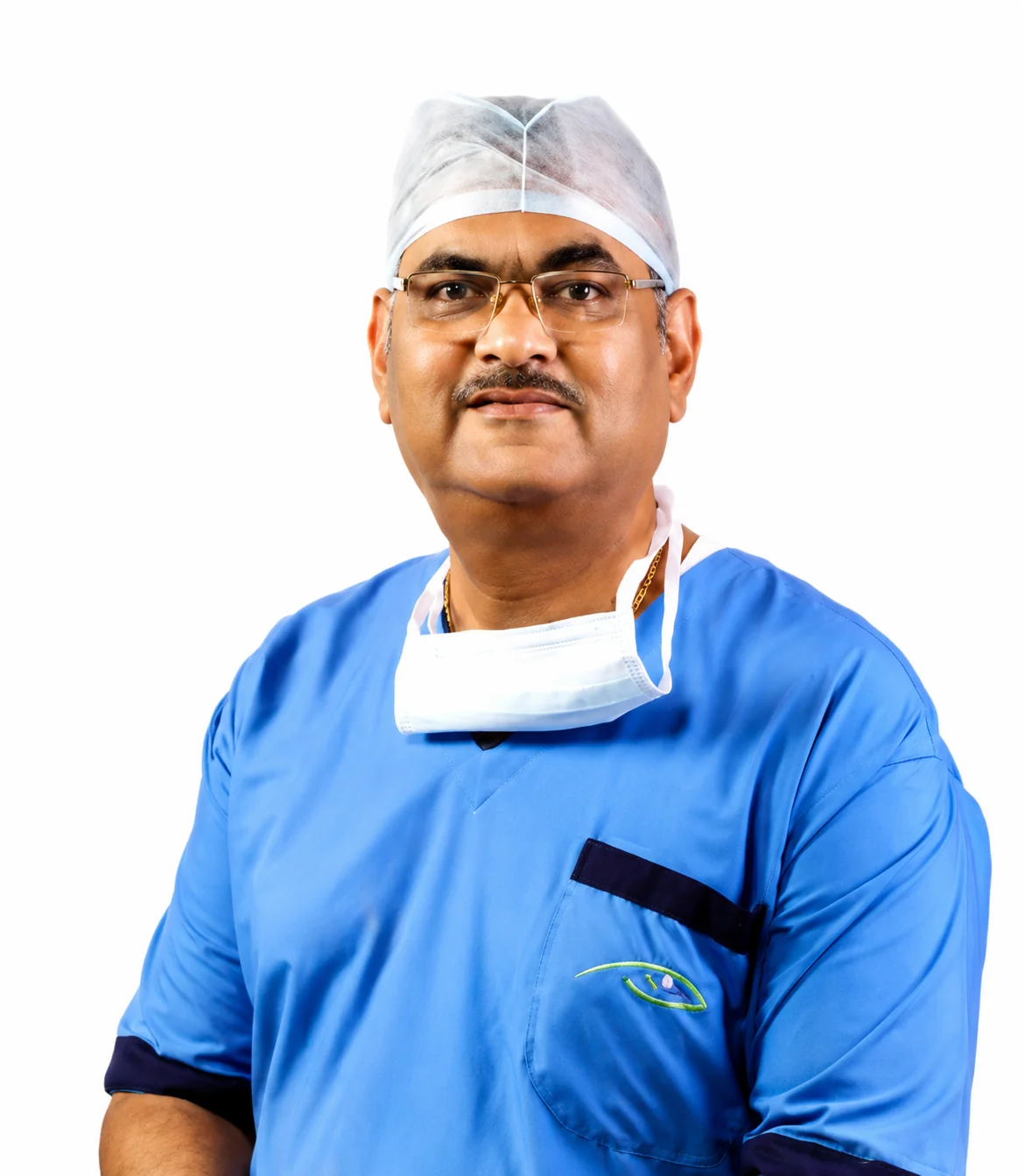
Writer brief, not finished page copy: Dr Rajat Jain card.

Planned element: Doctor card

Planned next step: Book with Dr Rajat Jain

Cornea FAQs

Writer brief, not finished page copy: Render FAQS[url].

Planned element: FAQ accordion

Planned next step: -

References

Writer brief, not finished page copy: List 4 to 6 outbound sources with links: American Academy of Ophthalmology (aao.org) patient pages, National Eye Institute (nei.nih.gov), Indian Journal of Ophthalmology, relevant Cochrane review, CGHS rate list where costs are cited. Show 'Last reviewed' date.

Planned element: -

Planned next step: -

Book a cornea consultation

Writer brief, not finished page copy: Closing CTA.

Planned element: -

Planned next step: Book Appointment

FAQs from the workbook

What is a corneal transplant?

A corneal transplant, or keratoplasty, replaces a damaged, scarred or cloudy cornea with healthy donor tissue from an eye bank. Depending on the problem, the surgeon may replace the full thickness of the cornea or only the affected layers, as in DALK, DSEK or DMEK. Partial-thickness procedures often heal faster and carry a lower rejection risk.

How much does a corneal transplant cost in Delhi?

The cost depends on the type of transplant, donor tissue processing and how much follow-up care is needed. Jain Eye Hospital's per-eye fees are listed in the table on this page and confirmed in writing after examination. Insurance often covers corneal transplant surgery, subject to policy terms; our desk can check your policy before surgery.

How long does recovery take after a corneal transplant?

Vision improves gradually over several months after a corneal transplant. Full-thickness transplants can take a year or more to stabilise, while partial-thickness procedures such as DMEK usually recover faster. Regular follow-up visits and long-term drops are needed to reduce the risk of rejection, and stitches, if used, are removed in stages.

Can keratoconus be cured?

Keratoconus cannot be reversed, but corneal cross-linking can slow or stop its progression in many eyes, especially when done early. Glasses, specially fitted rigid or scleral contact lenses and, in advanced cases, a corneal transplant help restore useful vision. Young people with changing cylinder power should have corneal mapping to check for keratoconus.

What are the signs of corneal transplant rejection?

Remember RSVP: redness, sensitivity to light, vision drop and pain. Rejection can happen months or even years after a transplant. If any of these signs appear, contact the hospital the same day, because early treatment with intensive drops can often reverse a rejection episode and protect the graft.

Is pterygium surgery necessary?

Small pterygia that do not affect vision can be watched, with lubricant drops and sun and dust protection. Surgery is usually advised if the pterygium grows towards the centre of the cornea, causes astigmatism or blurred vision, keeps the eye red and irritated, or is a cosmetic concern. Your doctor will measure its size at each visit.

Can a pterygium come back after surgery?

A pterygium can grow back after surgery. Techniques such as covering the area with a conjunctival autograft, fixed with tissue glue or stitches, reduce this risk compared with simple removal. Protecting the eyes from sun, wind and dust after surgery, for example with wrap-around sunglasses, also helps lower the chance of recurrence.

Why should a painful red eye in a contact lens wearer be checked urgently?

A painful red eye in a contact lens wearer may be a corneal infection, which can damage vision within days. Remove the lenses and keep them and their case for testing, do not use leftover steroid drops, and see an eye doctor the same day. Early treatment with the right medicine makes a real difference.

How can I donate my eyes in Delhi?

You can pledge eye donation through an eye bank or the national pledge registry and tell your family about your wish, because consent is taken from relatives after death. Corneas must be retrieved within a few hours. People who wear glasses, have had cataract surgery or have diabetes can usually still donate their eyes.

We’re here to help

Send an enquiry

Share your contact details and a brief message. Our team can follow up about your enquiry.

Please do not include medical records, payment details or sensitive health information.