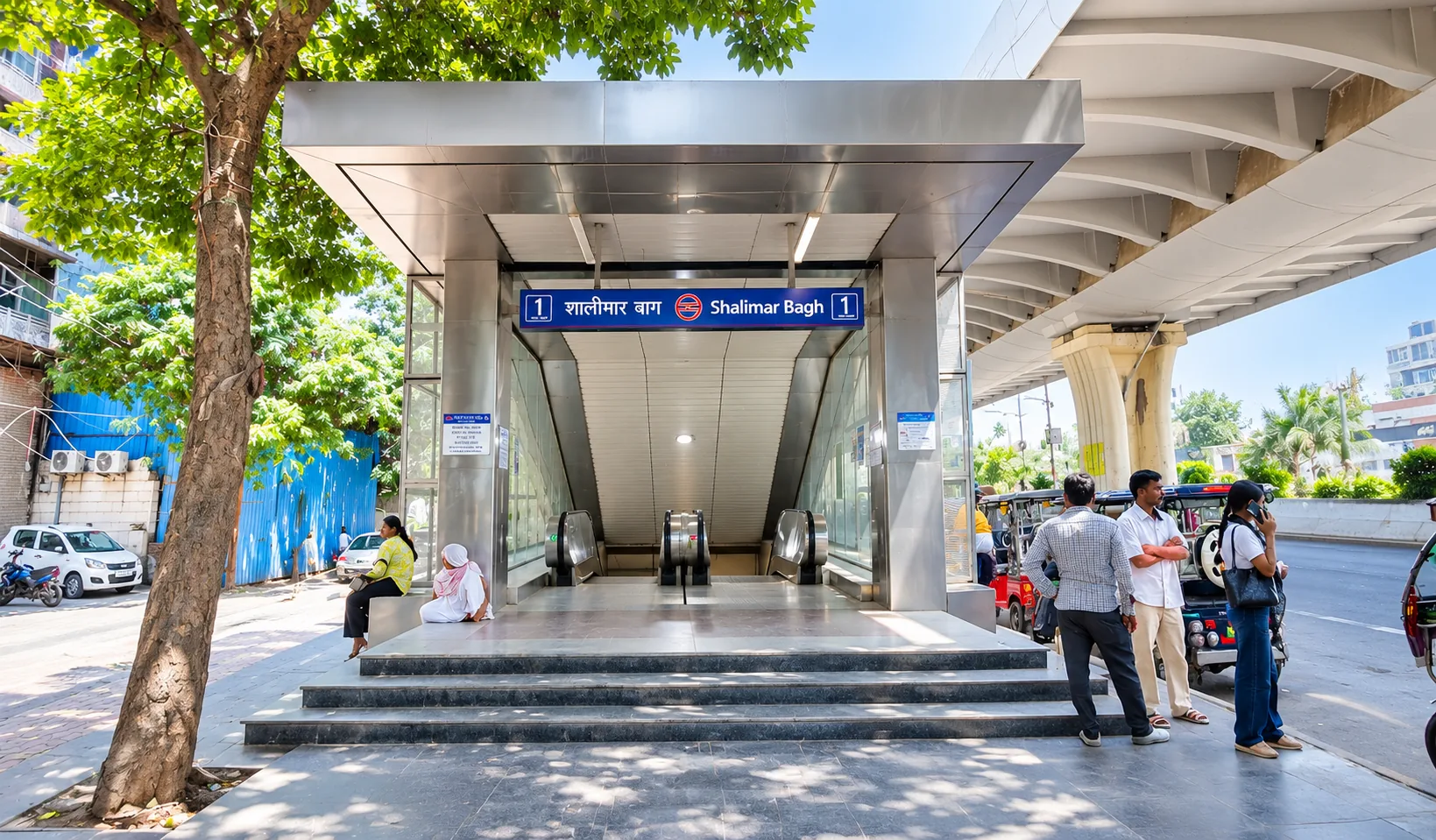
Shalimar Bagh, Delhi

Patient Safety

Use these questions to take part in informed conversations about your care.

Before an examination

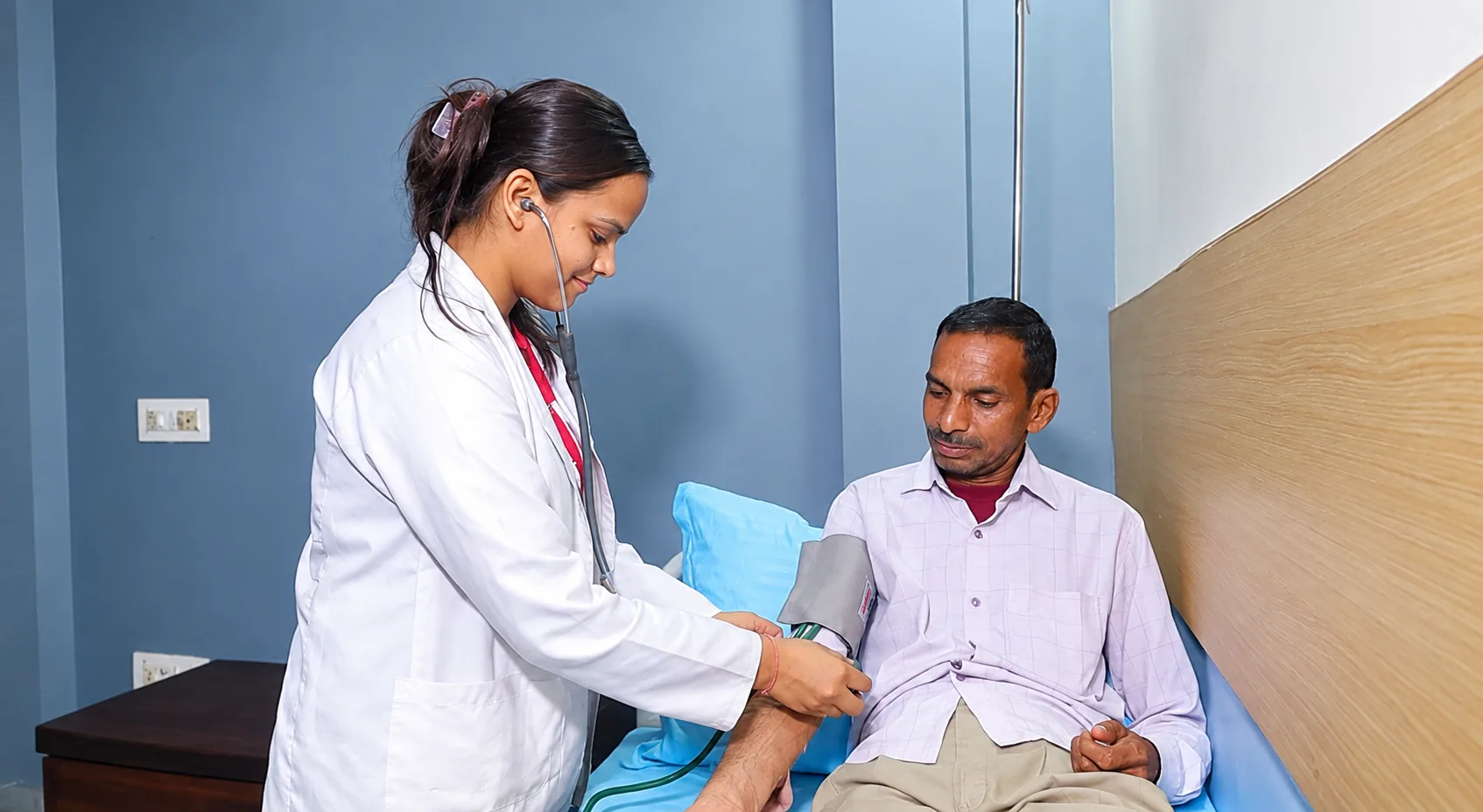
Tell your clinician about current symptoms, medicines, eye drops, allergies and relevant health conditions.

Before a procedure

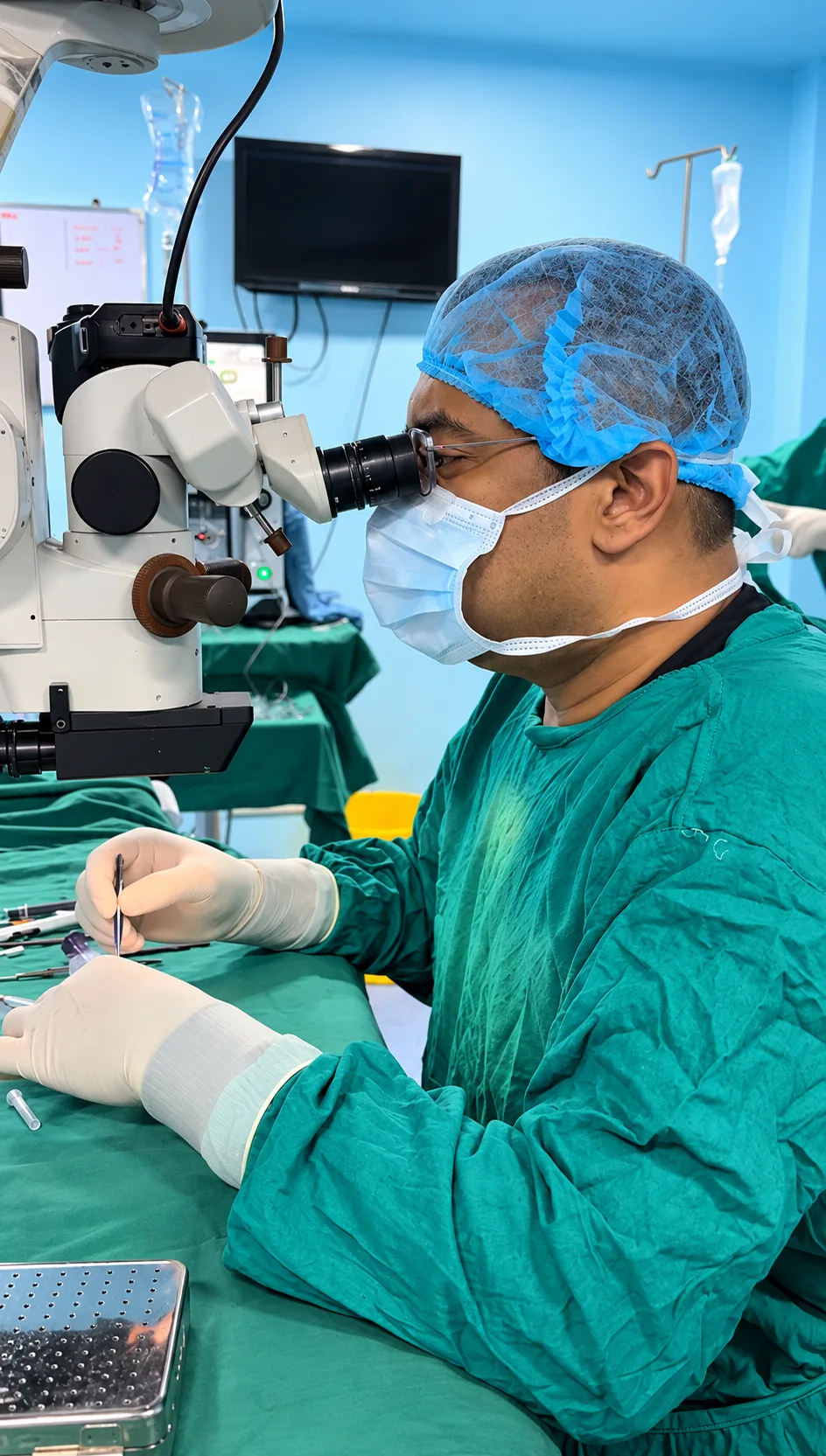
Ask what will be done, which eye is involved, what alternatives exist, and what risks may apply to you.

Informed decisions

Take the time you need to understand the explanation and ask questions before making a decision.

Medicines and after-care

Ask which medicines or drops to use, how to use them and what follow-up is recommended.

Who to contact

Before leaving, ask how to reach the care team if you have questions or new concerns.

Urgent symptoms

Sudden vision loss, severe pain or an eye injury may require urgent medical assessment; do not wait for a website reply.

This page offers general information and does not describe or certify specific hospital protocols. Ask your clinician about the precautions relevant to your care.

More information

Patient Safety Questions

How often should I get my eyes checked?
Adults with no symptoms are generally advised to have a comprehensive eye examination every one to two years. People with diabetes, a family history of eye disease, or existing eye conditions may need more frequent check-ups as advised by their eye specialist.
What are the common symptoms of cataract?
Common symptoms include gradual blurring of vision, glare or halos around lights, faded colours and frequent changes in spectacle power. Cataract usually develops slowly and painless. An eye examination is needed to confirm the diagnosis.
Is LASIK suitable for everyone?
No. LASIK suitability depends on factors such as age, stable spectacle power, corneal thickness and overall eye health. A detailed pre-operative assessment is essential before any laser vision correction is recommended.
Why is retinal screening important for diabetic patients?
Diabetes can damage the small blood vessels of the retina (diabetic retinopathy), often without early symptoms. Regular retinal screening helps detect changes early, when treatment is most effective at protecting vision.
When should a child have their first eye examination?
A baseline eye examination is generally recommended in early childhood, and earlier if parents notice squinting, sitting very close to screens, frequent eye rubbing or any visible eye misalignment. Early detection supports normal visual development.
Need information about an appointment?Contact the hospital team
We’re here to help

Send an enquiry

Share your contact details and a brief message. Our team can follow up about your enquiry.

Please do not include medical records, payment details or sensitive health information.