

Treatment information
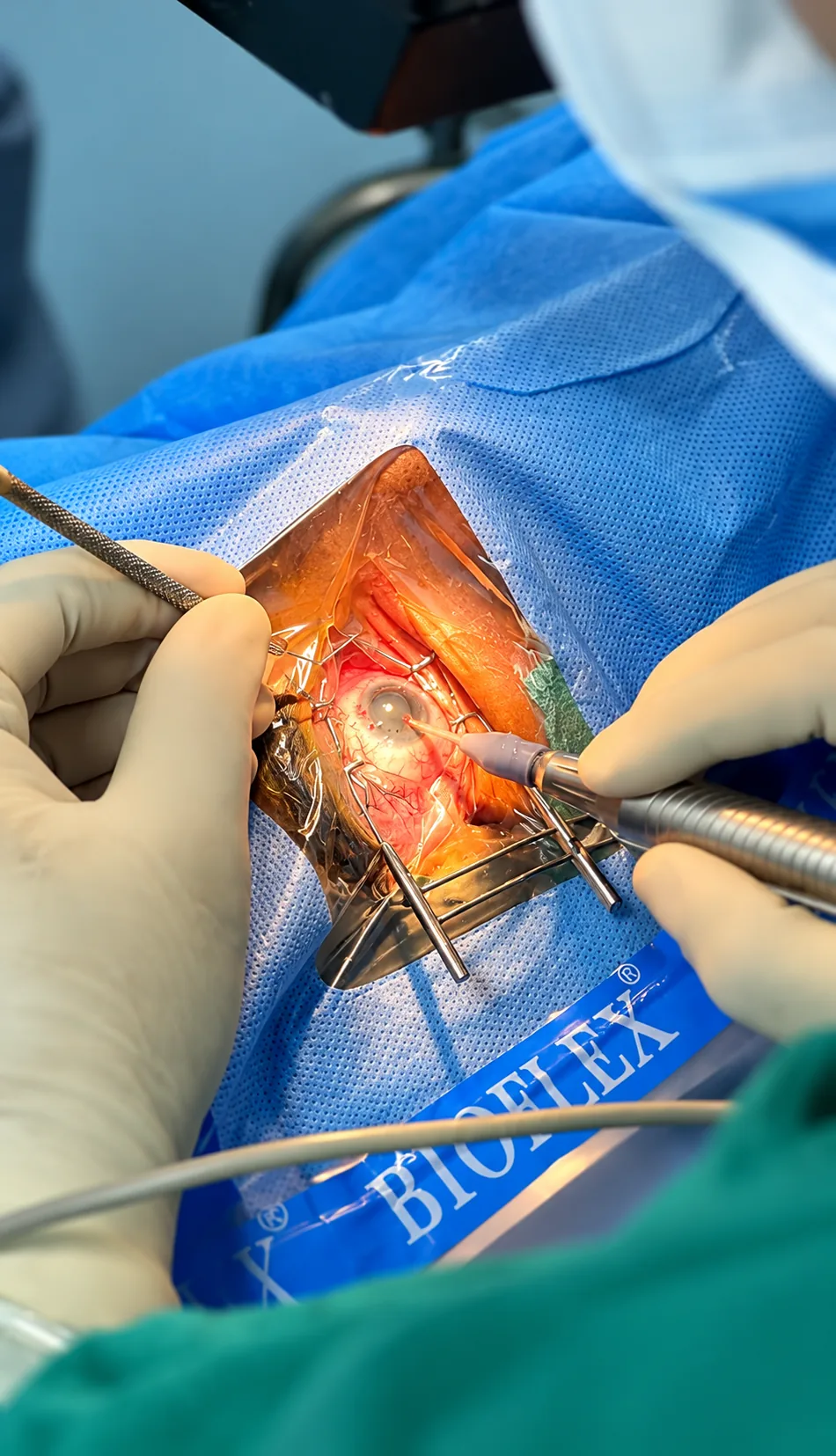
Corneal Transplantation
Transplant options for advanced corneal disease.
Before deciding on a procedure
Ask your clinician why it has been recommended for you, what alternatives may be appropriate, how to prepare and what follow-up to expect. Suitability is assessed individually.
Read patient safety guidanceDetailed information about Corneal Transplantation is being updated. For personalised guidance, please book a consultation with our specialists or call 9643 900 900.
Suitability for any procedure is decided only after a detailed eye examination. No outcome can be guaranteed for any medical treatment.
Related services
Explore More in Cornea Care
Read about other services published under this speciality.
Helpful answers
Questions About Corneal Transplantation
How often should I get my eyes checked?
Adults with no symptoms are generally advised to have a comprehensive eye examination every one to two years. People with diabetes, a family history of eye disease, or existing eye conditions may need more frequent check-ups as advised by their eye specialist.
What are the common symptoms of cataract?
Common symptoms include gradual blurring of vision, glare or halos around lights, faded colours and frequent changes in spectacle power. Cataract usually develops slowly and painless. An eye examination is needed to confirm the diagnosis.
Is LASIK suitable for everyone?
No. LASIK suitability depends on factors such as age, stable spectacle power, corneal thickness and overall eye health. A detailed pre-operative assessment is essential before any laser vision correction is recommended.
Why is retinal screening important for diabetic patients?
Diabetes can damage the small blood vessels of the retina (diabetic retinopathy), often without early symptoms. Regular retinal screening helps detect changes early, when treatment is most effective at protecting vision.
When should a child have their first eye examination?
A baseline eye examination is generally recommended in early childhood, and earlier if parents notice squinting, sitting very close to screens, frequent eye rubbing or any visible eye misalignment. Early detection supports normal visual development.