



Refractive error and laser vision correction
The eye focuses light through the cornea and lens onto the retina. If the eye’s focusing shape or length causes light not to focus clearly, the result is a refractive error such as myopia, hyperopia or astigmatism. Spectacles and contact lenses correct that focus while they are being worn. Refractive surgery changes the optical properties of the eye to reduce dependence on those aids. LASIK is one type of refractive surgery; it is not a treatment for every cause of blurred vision.
The goal of an assessment is to decide whether a procedure is suitable and whether its likely benefits fit the person’s priorities. “Less dependence on glasses” is not the same as a promise of perfect vision or a lifetime without spectacles. The prescription can change after surgery, age-related near-vision changes still occur, and another eye condition may affect the outcome. Good decision-making starts with a careful examination, realistic expectations, and enough time to compare surgery with continuing glasses or contact lenses.
Vision concerns and reasons for an assessment
People ask about laser correction because glasses fog, contact lenses are uncomfortable, sport or work is inconvenient, or they simply want to understand their options. These reasons are valid, but they do not establish surgical suitability. Tell the clinician what tasks you hope will become easier, what vision you rely on for work and hobbies, and whether you would accept glasses for some situations. If the prescription has been changing, mention when the last changes occurred.
Dryness, glare, difficulty with night driving, headaches or fluctuating focus may have causes unrelated to refractive error. Report them rather than assuming a laser procedure will resolve them. Disclose contact-lens use and when lenses were last worn because it can affect measurements. Sudden vision loss, painful redness, flashes, a new curtain or shadow, or a recent eye injury needs assessment before an elective discussion. A refractive consultation should not delay urgent care for a different eye problem.
Factors that can affect candidacy
Eligibility is individual. Clinicians consider the stability and size of the prescription, corneal thickness and shape, tear-film and surface health, pupil and eye measurements, general health, medicines, and other eye conditions. Pregnancy, nursing, certain autoimmune or healing problems, keratoconus or suspicious corneal shape, severe dry eye and active eye disease can change whether or when a procedure is appropriate. These examples are prompts for a professional discussion, not a self-screening checklist that can determine eligibility.
Age also matters in relation to the specific procedure and the person’s visual needs. Laser correction does not prevent presbyopia, the age-related change that makes near focusing more difficult, and it does not guarantee that a person will never need reading glasses. Some people may be better served by a different procedure or by keeping their current correction. A responsible service explains who should not proceed, why a test or record is needed, and whether postponing the decision is safer than rushing.
What happens during a suitability work-up
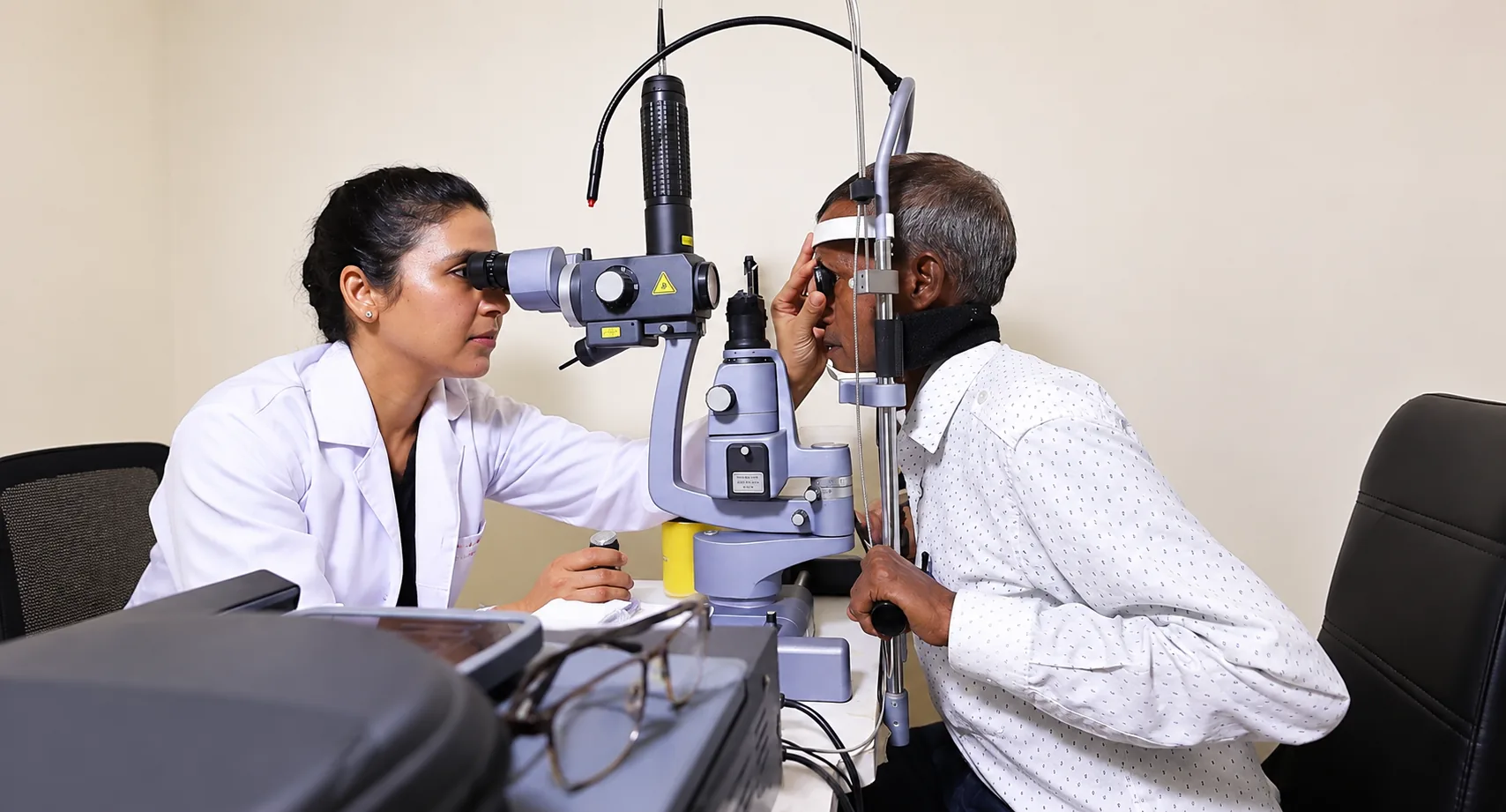
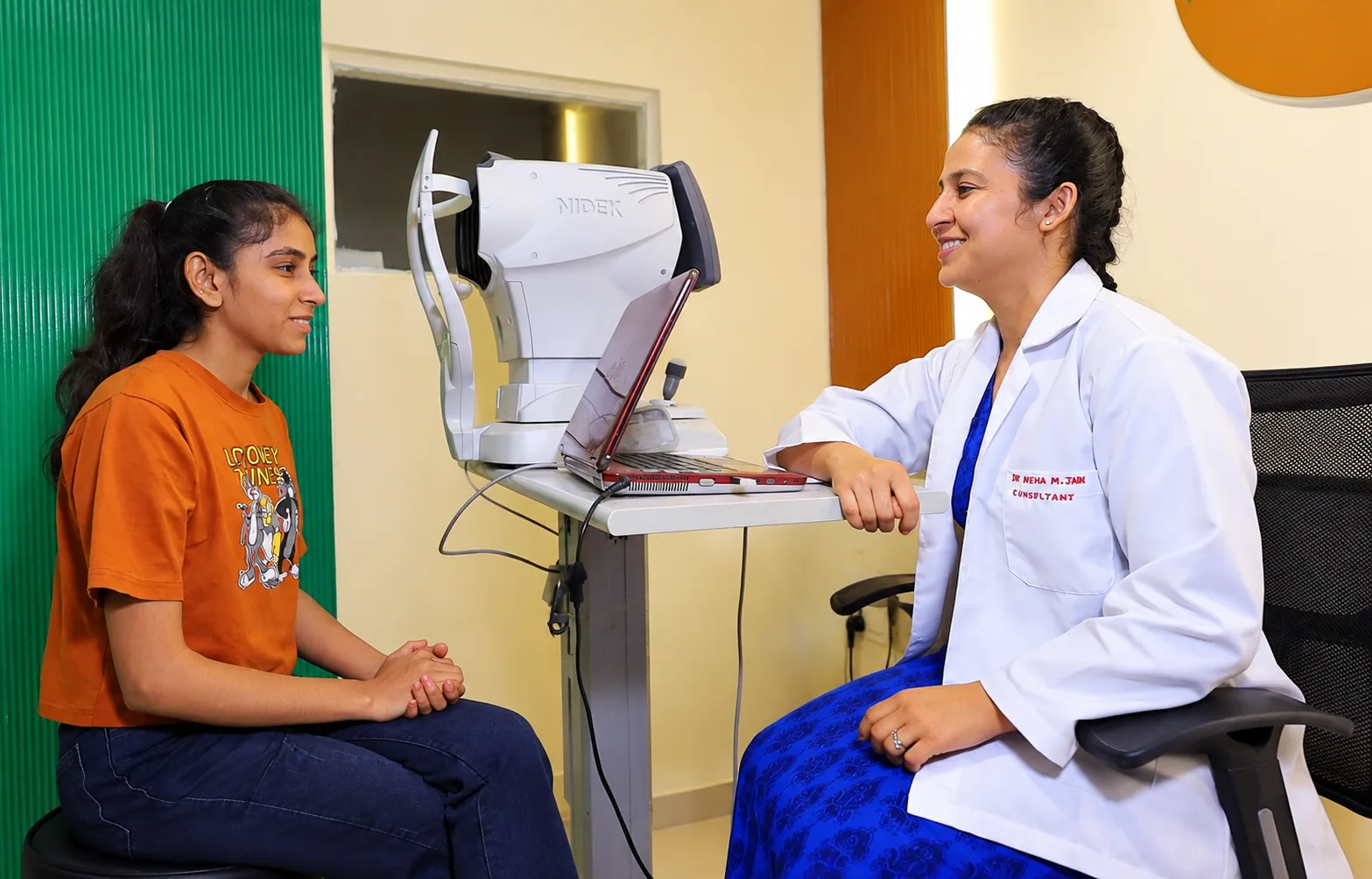
An assessment typically includes a detailed history, measurement of the current prescription, vision testing, and examination of the cornea and the rest of the eye. The clinician may evaluate corneal shape and thickness, the tear film and other factors needed for the procedure being considered. Contact lenses can influence corneal measurements, so ask how long to stop wearing them before testing and follow the exact instructions for your lens type. A screening visit is not simply a quick power check.
Bring prior prescriptions, information about contact lenses, medical conditions, allergies and current medicines. Tell the examiner about previous eye procedures, eye rubbing, recurrent dryness and any family history of corneal disease. Ask which findings make you a candidate, which finding could change the plan, whether results need repeating, and what alternative correction is reasonable. A clinician should discuss both eyes individually. If the measurements are not reliable or the prescription is unstable, delaying a decision can be the appropriate next step.
Comparing LASIK and other choices
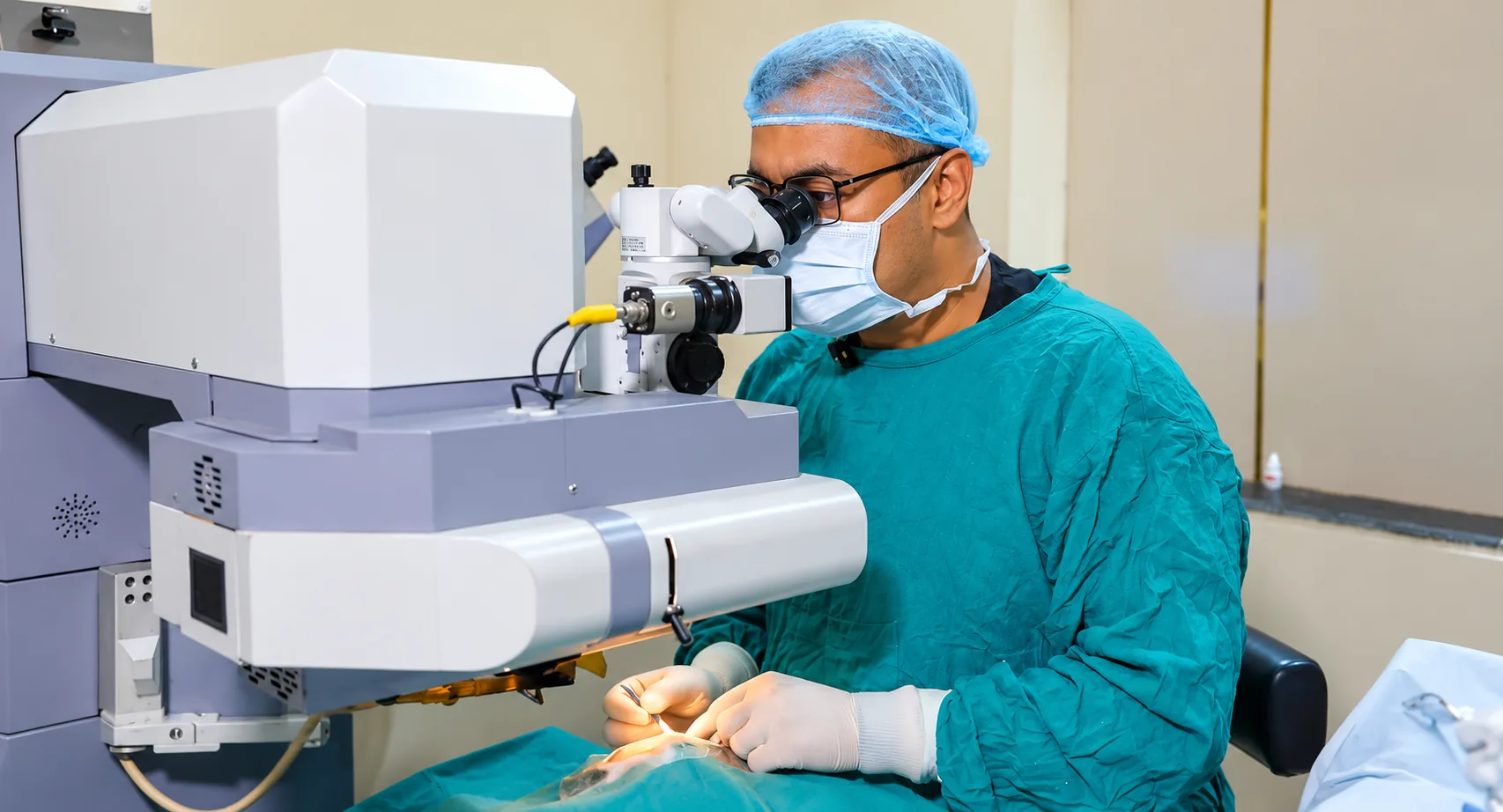
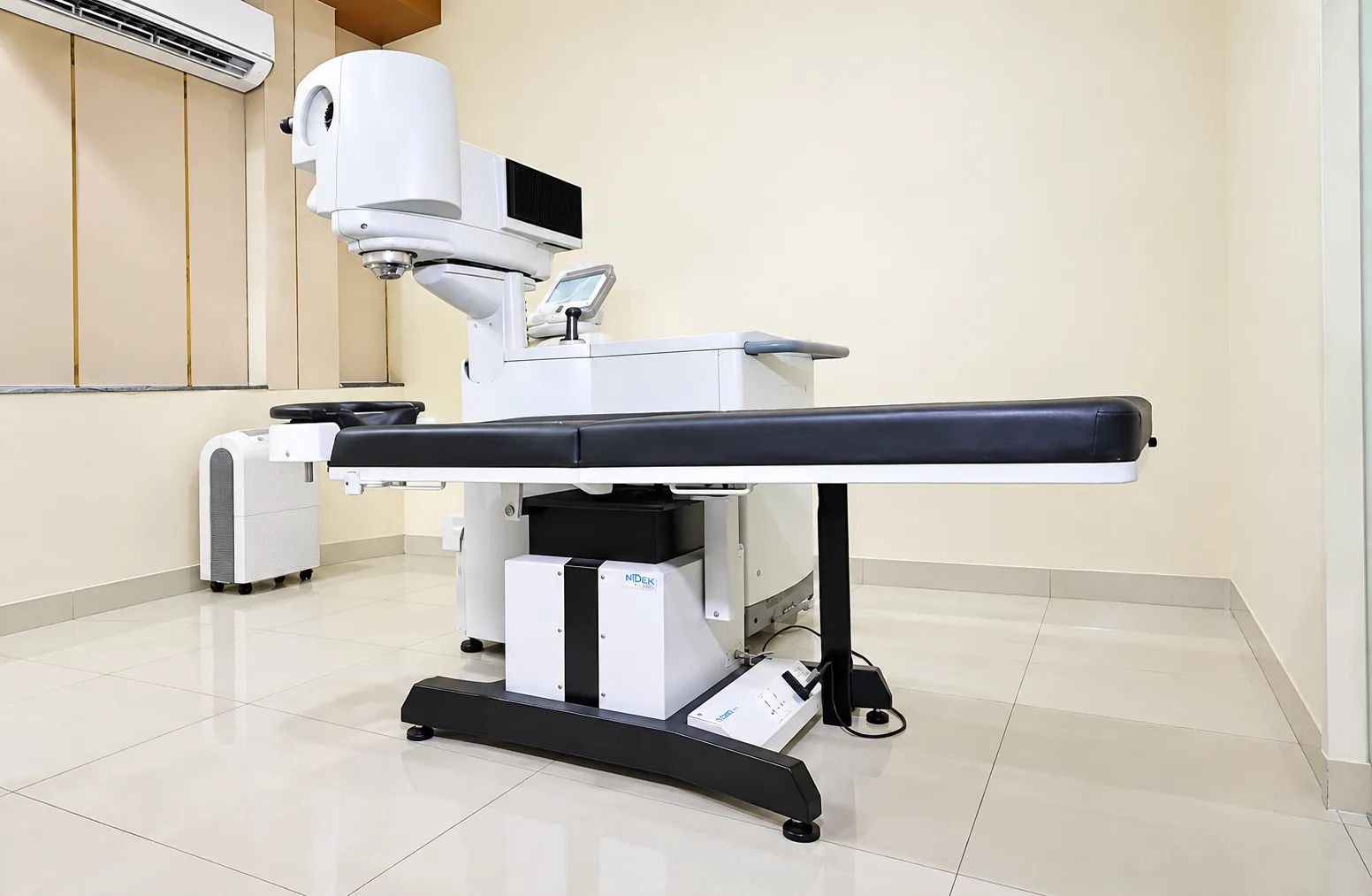
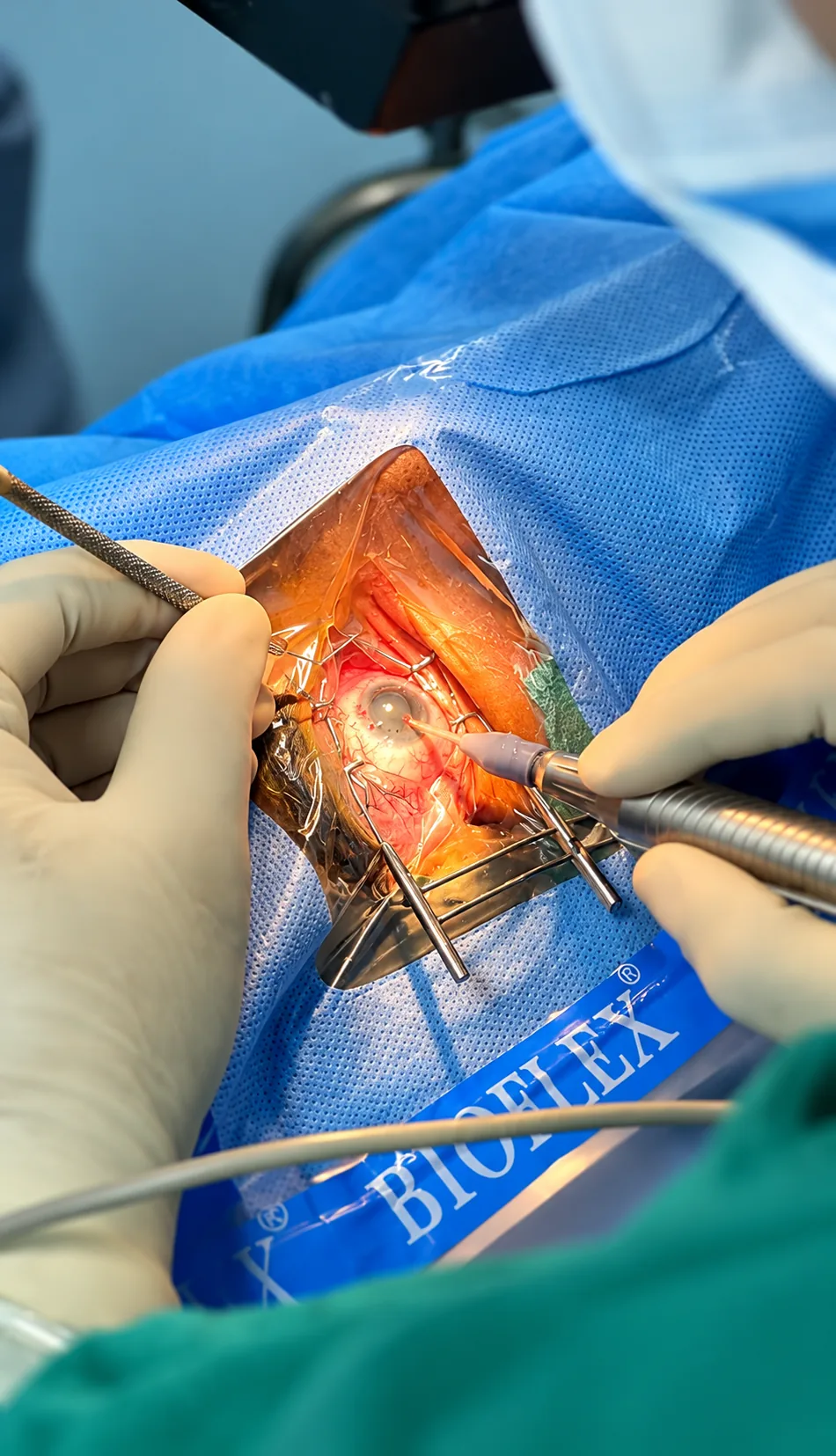
LASIK reshapes the cornea with a laser after creating a thin corneal flap. Other refractive procedures work differently and may be considered for different eyes; procedure names should not be treated as interchangeable. The clinician should explain which procedure, if any, is being proposed, how it changes focusing, what alternatives exist, and why it fits the person’s measurements. Spectacles and contact lenses remain effective non-surgical choices and are always part of the comparison.
Like any operation, refractive surgery has potential risks and side effects. Dry-eye symptoms, glare, halos, starbursts, under-correction, over-correction, infection or other complications may be discussed; the actual risks depend on the patient and method. Some effects may be temporary while others need further care. Ask about the chance of needing an enhancement or glasses afterward and how complications would be handled. Avoid choosing by lowest price, promises or a friend’s experience. The safest choice is an informed, voluntary decision based on your own examination.
Precision depends on measurements, not promises
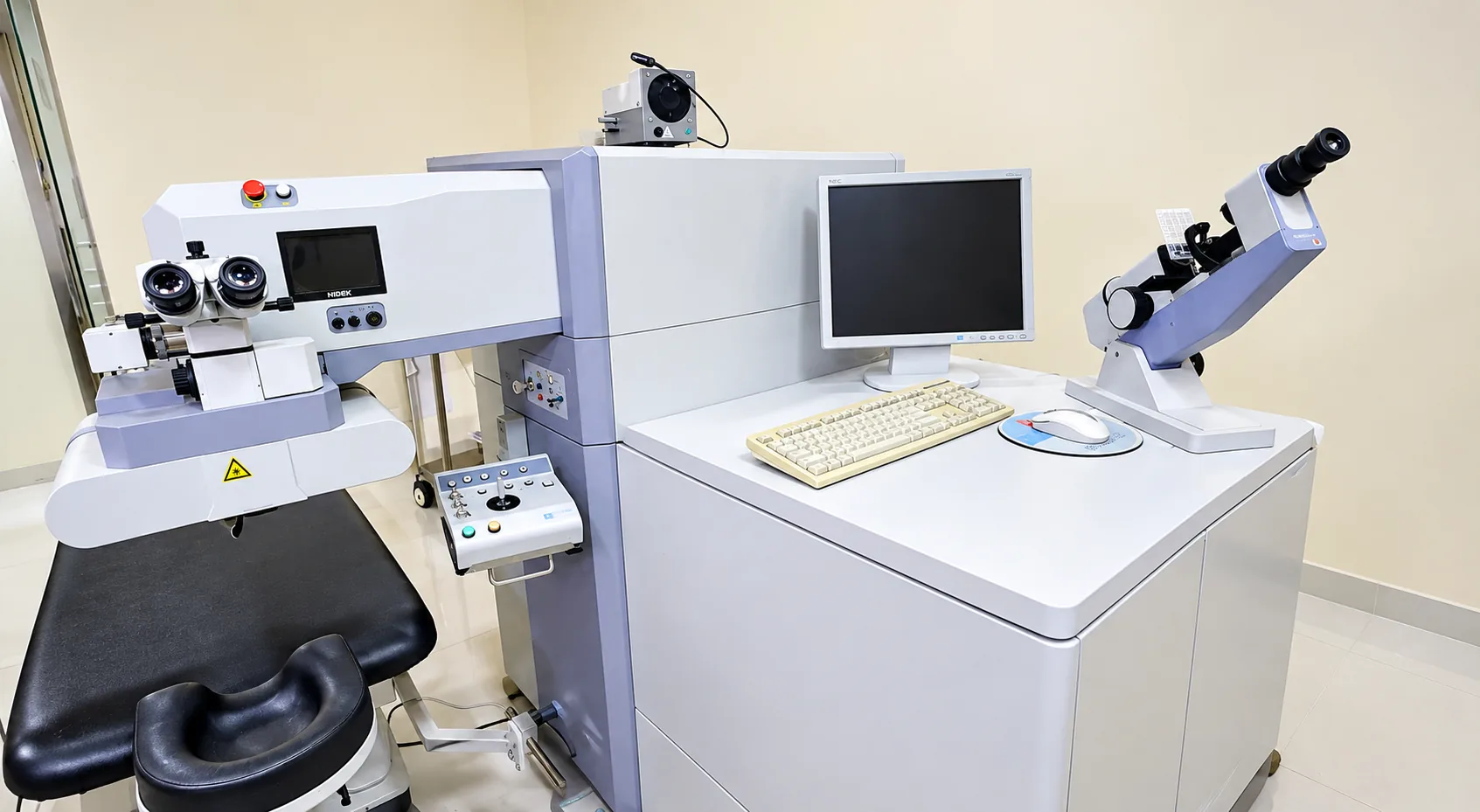
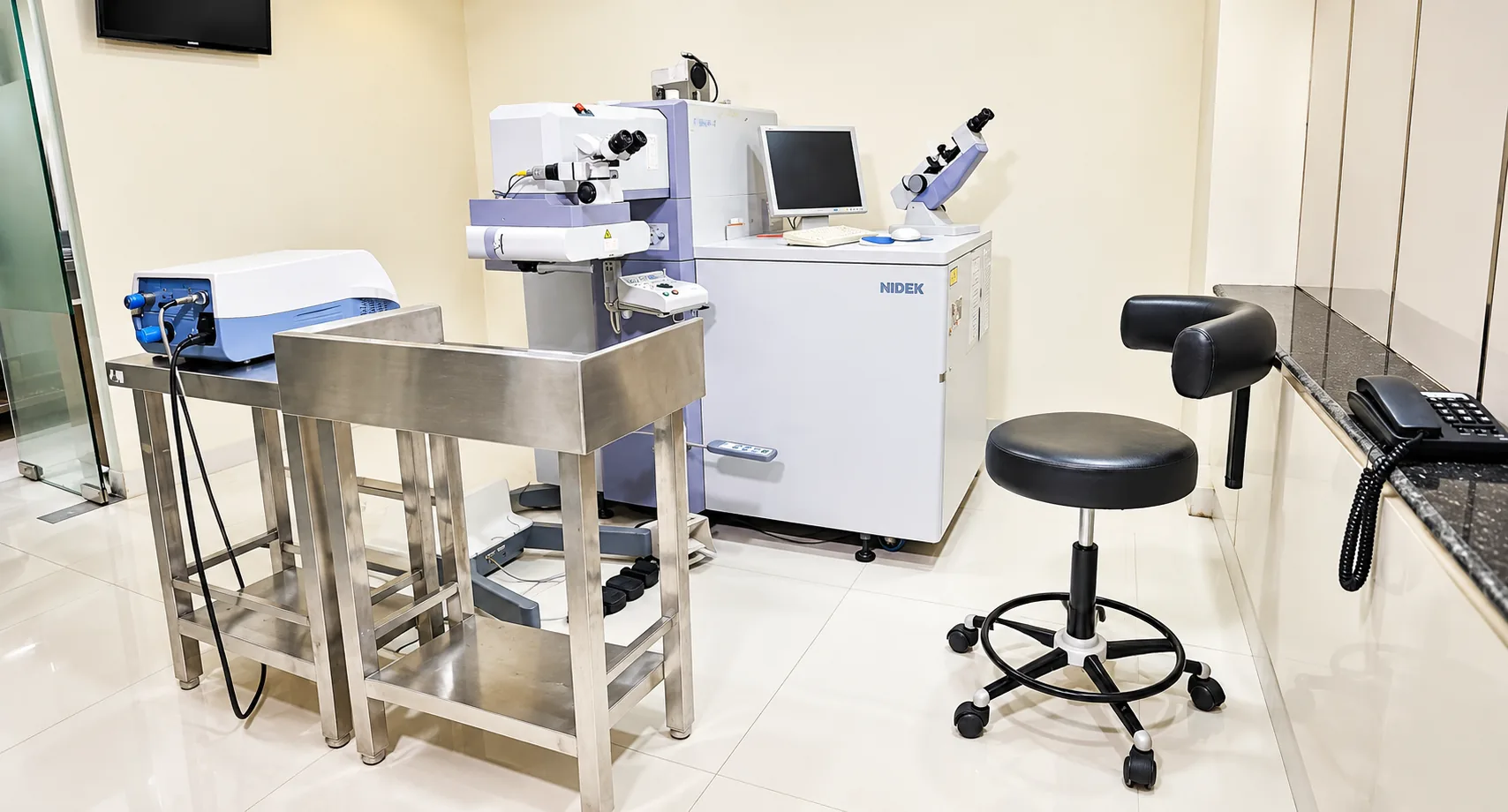
Corneal mapping and other measurements help a surgeon understand whether the cornea can be treated safely and how the plan should be tailored. A device reading is one part of an assessment, not a guarantee. Results can vary with contact-lens wear, tear-film problems or measurement quality; the clinician may repeat a test or decide that treatment should not go ahead. Ask how the tests relate to your eye and what a concerning result would mean.
Confirm the exact technology, procedure name, surgeon’s role, follow-up arrangements, costs and what is included before agreeing to treatment. Equipment models and services vary between hospitals, so verify local availability with the clinic rather than relying on general promotional material. Request copies of your measurements and the written consent information. You should have an opportunity to consider the information and ask more questions. Being offered a procedure is not an obligation to accept it, and a clinician should respect a decision to continue using glasses or contacts.
Questions to settle before scheduling
Before choosing surgery, make sure you understand how your prescription is expected to change, what the proposed treatment can and cannot achieve, and which alternatives fit your needs. Ask about likely distance and near vision, whether glasses may still be needed for night driving or reading, possible side effects, the chance of further treatment, and how long the surgeon wants you to monitor the result. Ask what happens if you decide to wait or if your test results are borderline.
Clarify how to prepare, whether contact lenses must be stopped, which medicines or eye drops to use, and who will accompany you. Ask who answers questions after the procedure and what number to use after hours. Bring the written plan home rather than relying on memory. If a sales conversation pressures you to decide immediately or promises a guaranteed outcome, pause and ask for time to review the medical information with the treating clinician.
Recovery, follow-up and safety
Recovery instructions are specific to the procedure and the patient. The surgeon should explain how to use prescribed drops, protect the eye, avoid rubbing, manage temporary discomfort, and when to return for review. Do not resume contact lenses, swimming, eye makeup, driving or strenuous activity until the treating team says it is appropriate. Vision can fluctuate during healing; do not judge the final result or change medicines without the clinician’s advice.
Keep every follow-up even when vision seems good. Call the surgical team promptly for increasing pain, sudden worsening of sight, marked redness, discharge or another symptom listed in the written instructions. Sudden visual loss or severe eye pain requires urgent assessment. Get contact information before leaving and clarify what to do outside office hours. An elective procedure should include a plan not just for the operating day, but for checking healing and responding if the result is not as expected.
Separating medical advice from marketing
Laser correction is elective, so there should be time to think. Treat a limited-time offer, an instant online eligibility result or a guaranteed outcome as a reason to ask more questions, not as a medical recommendation. An initial screening may suggest that a full assessment is appropriate, but the final decision requires reliable measurements and review by the treating clinician. If you have been told you are suitable without an examination of corneal shape, eye-surface health and other relevant factors, ask what assessment remains.
Request a written estimate that distinguishes the surgical fee from pre-operative tests, medicines, follow-up, enhancement policy and complication management. Confirm the name of the surgeon responsible for care and who will see you at each follow-up. These practical details are part of informed consent because cost and continuity can affect whether a patient can complete the plan. Do not let a package description replace an explanation of the medical procedure and its risks.
Set a personal goal before you decide. You may want convenience for sport, fewer contact-lens problems or more freedom during travel. Ask whether the proposed procedure is likely to help with that specific task and what trade-offs could make the goal harder, such as dry-eye symptoms or glare. Someone who relies on near vision and someone seeking distance correction may have different expectations. The clinician should explain any compromise in language you understand, including the possibility of continuing to use glasses.
Take the consent information home and read it without pressure. Discuss it with a family member if that helps, then return with questions. Ask what would make the clinician recommend against surgery, whether another opinion is reasonable and how long you can safely take to decide. Choosing not to have an elective procedure is a legitimate decision. If you proceed, keep the consent form, measurements, postoperative instructions and clinic contact details together so you can refer to them during recovery.
Setting expectations for work, travel and near vision
Think about how your eyes are used throughout a normal week. Someone who spends many hours at a computer may notice dryness or fluctuating focus differently from someone whose main priority is sport or night driving. Tell the clinician about these activities and about any visual task where a small change could affect safety or employment. Ask whether the proposed correction is designed for one or both eyes and how it may affect distance, intermediate and near tasks.
Age-related near-vision change is separate from myopia or astigmatism. Correcting distance focus with surgery does not stop the natural lens from changing with age, and reading spectacles may still be needed now or in the future. Some strategies that aim to balance distance and near vision involve compromises in depth perception or image quality. Do not accept a short label such as “monovision” without asking for an explanation, a discussion of suitability and, where appropriate, a chance to understand how it may feel before surgery.
Consider the timing of an elective procedure. If a prescription is changing, a pregnancy or nursing period is ongoing, an eye condition is active, or you are beginning a new medicine, ask whether waiting would make measurements or healing more reliable. A postponed operation can be a careful medical decision, not a missed opportunity. Ask the surgeon what needs to become stable and how that stability will be checked before a later decision.
Plan realistically for the days after treatment. Ask whether someone must take you home, how follow-up is scheduled, when work and driving may resume, and what to do if the first result differs from expectations. Do not book travel or an important event on the assumption that vision will be fully stable by a particular date unless the treating surgeon has discussed that timing. A written recovery plan and accessible emergency contact are important parts of choosing surgery, just like understanding the laser procedure itself.
A final checklist before you consent
Before you consent, try summarising the plan in your own words: which procedure is proposed, what part of the eye it changes, why the measurements support it, which benefits are realistic, and what alternatives remain. Ask the surgeon to correct any misunderstanding. You should know which eye or eyes are involved, what the expected follow-up is, and who will be available if you develop a symptom. If any key answer is missing, ask to pause the scheduling process until it is addressed.
Keep copies of the pre-operative test results, consent information, receipt or estimate, prescriptions and follow-up instructions. These records support continuity if you move, need another opinion or seek care for a later problem. Make sure family members understand that your personal information and decision are yours; do not feel obliged to proceed because someone has paid a deposit or travelled with you. Elective eye surgery should be based on an informed choice that remains comfortable after the consultation ends.
Bring any previous eye reports, your current spectacles and a list of medicines or eye drops you use. Your clinician can explain which examinations or options are relevant to you.
Read the patient visit guideThis information is for general education and does not replace a personal consultation. Treatment recommendations vary from patient to patient and are made only after a detailed eye examination.