





What strabismus (squint) means
Strabismus, commonly called a squint or misaligned eyes, means the eyes do not point in the same direction at the same time. One eye may turn inward, outward, upward or downward, and the direction can vary. It affects children and adults. A turn may be constant or appear only occasionally, particularly when a person is tired or unwell. A visible eye turn is a reason for assessment, but its appearance alone does not show how well each eye sees or what caused it.
When a child’s eyes do not work together, the brain may rely more on one eye and vision in the other may not develop normally; this can lead to amblyopia. Adults can also have double vision or a new misalignment for a range of reasons. Prompt assessment helps determine whether the concern is longstanding, new, or linked to another eye or health problem. Treatment aims vary: improving alignment, supporting visual development, reducing double vision or addressing an underlying cause.
Signs of an eye turn or double vision
Parents may notice one eye drifting, the child closing or covering an eye, tilting or turning the head, difficulty judging distance, or a photograph showing an unusual reflection. Some children have no obvious sign because the misalignment is small or intermittent. A child may not report double vision; the brain can suppress the image from one eye. Ask about clumsiness, losing their place while reading, eye fatigue or avoidance of close tasks, but remember these symptoms can also have other explanations.
In adults, a new turn, sudden double vision, drooping eyelid, severe headache, weakness, speech difficulty, eye pain or vision loss needs urgent medical assessment, especially when symptoms start abruptly. Do not cover or patch an adult’s eye as a substitute for medical care without professional direction. Take a photograph if it helps show an intermittent turn, but it cannot replace an examination. The clinician needs to know when symptoms began and whether they are constant, episodic or changing.
How squint, refractive error and amblyopia relate
Strabismus can occur with refractive errors or alongside amblyopia, but the terms describe different problems. A refractive error affects how clearly the eye focuses. Amblyopia is reduced visual development in one or both eyes because the visual system did not receive a clear image during childhood; it is not simply an eye muscle that is “lazy.” Cataract or another obstruction can also interfere with a child’s visual development. A child may have more than one of these conditions at the same time.
The cause of a squint is not always obvious from the outside. Family history, eye development, refractive error, health conditions, injury and other factors may be relevant. An adult’s new misalignment can have a different set of causes from a child’s longstanding one. Share any past eye examinations, glasses, patching or operations and relevant general medical history. Avoid blaming a child or assuming the condition will resolve without assessment; early evaluation helps determine what, if anything, needs treatment.
How an alignment assessment works
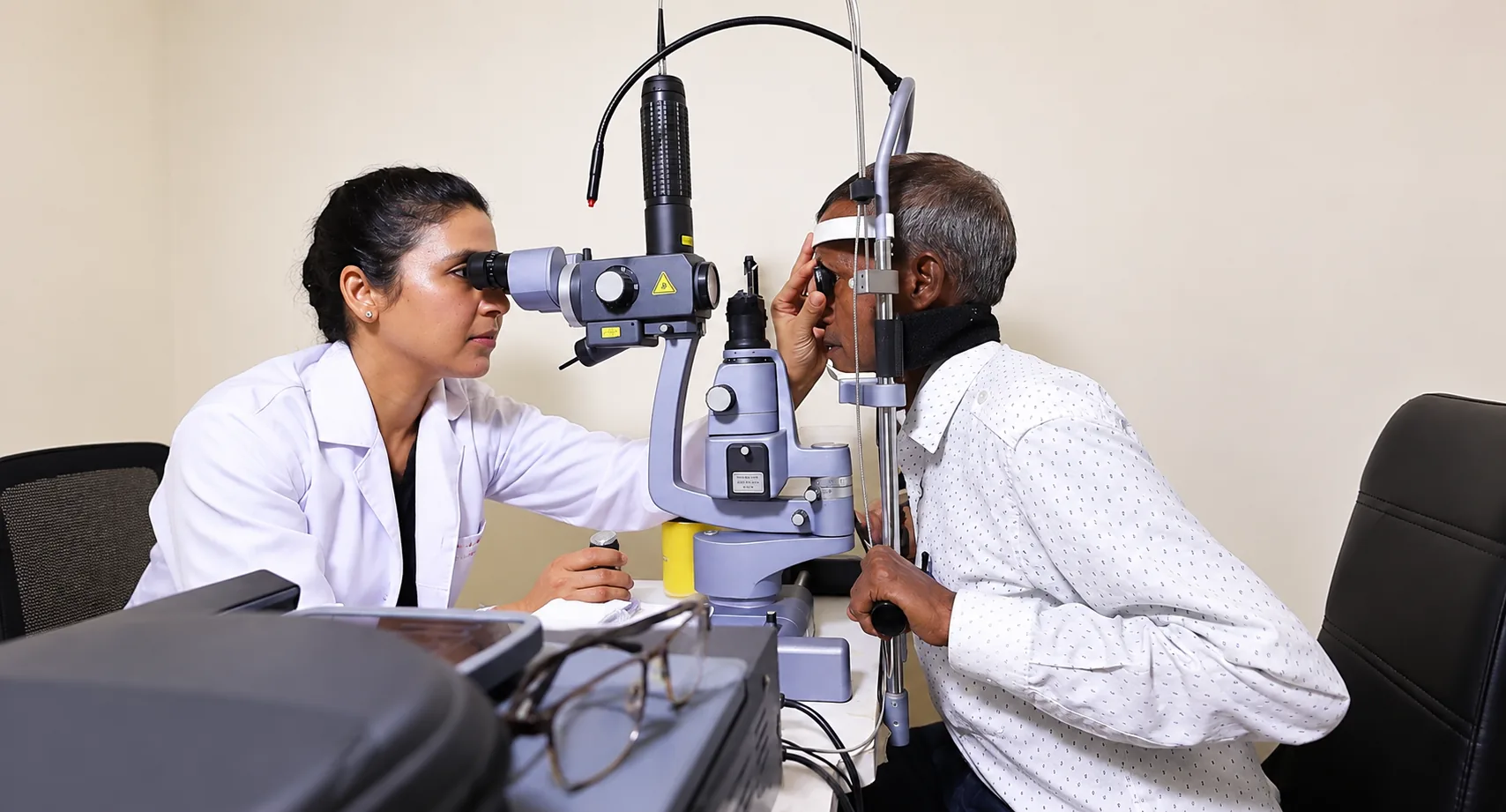
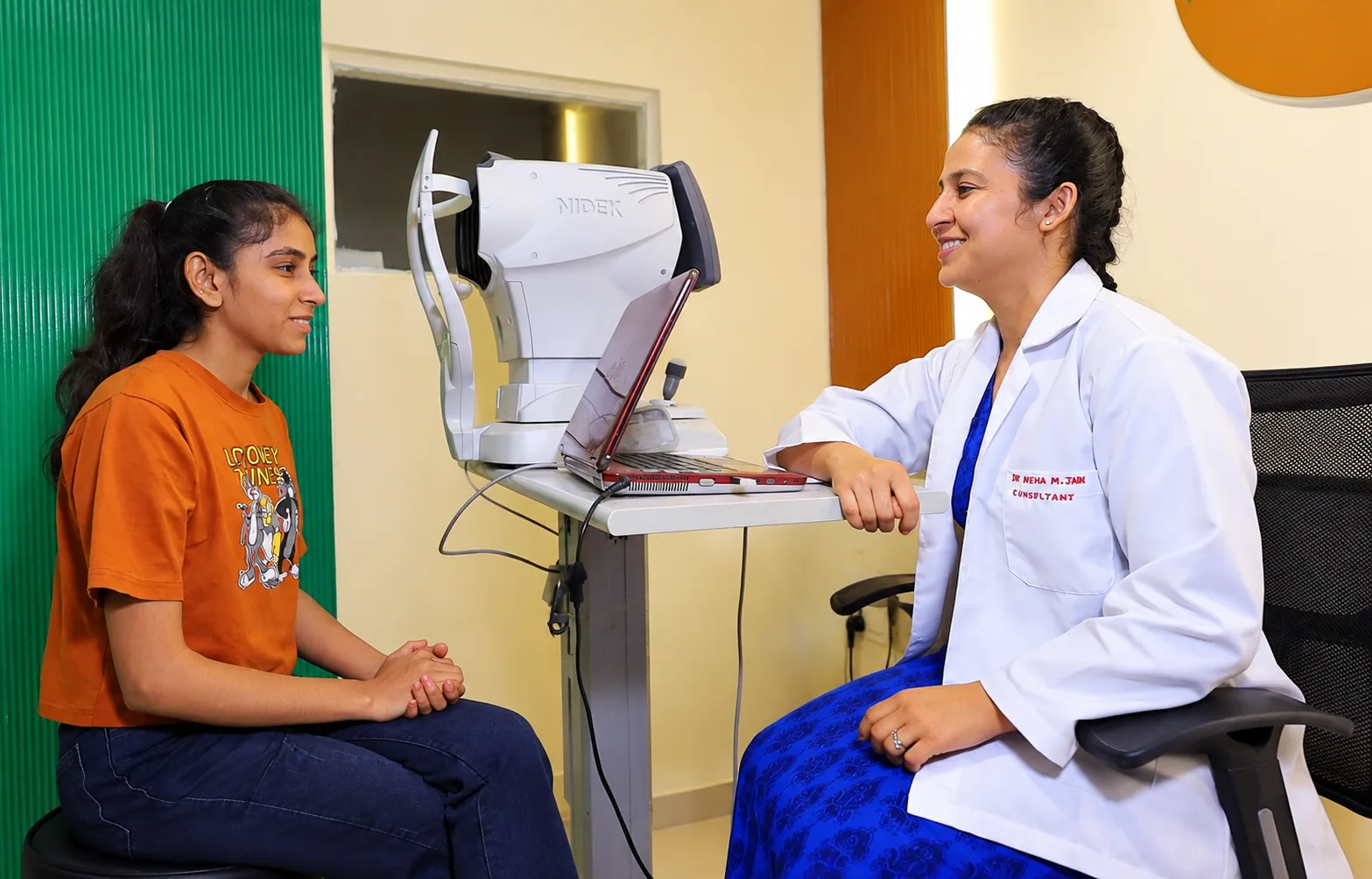
The clinician checks vision in each eye, how the eyes move and align at different distances, and whether glasses change the alignment. The examination may include refraction, sometimes after dilating drops, and checks of the pupils and the health of each eye. Depending on age, cooperation and findings, the tests are adapted to the patient. A child can be examined even before they can read a chart; tell the team about the child’s comfort, communication or developmental needs.
Bring current spectacles and previous prescriptions, photographs that show an intermittent turn, and reports of earlier patching or surgery. Tell the clinician whether double vision is present, when it started, what direction the image shifts, and if covering either eye changes it. Some new adult-onset cases need investigation beyond the eye alignment itself; the clinician will decide based on findings. Ask whether amblyopia is present, how each eye sees, and which results will guide the next step.
Treatment is planned for the person, not just appearance
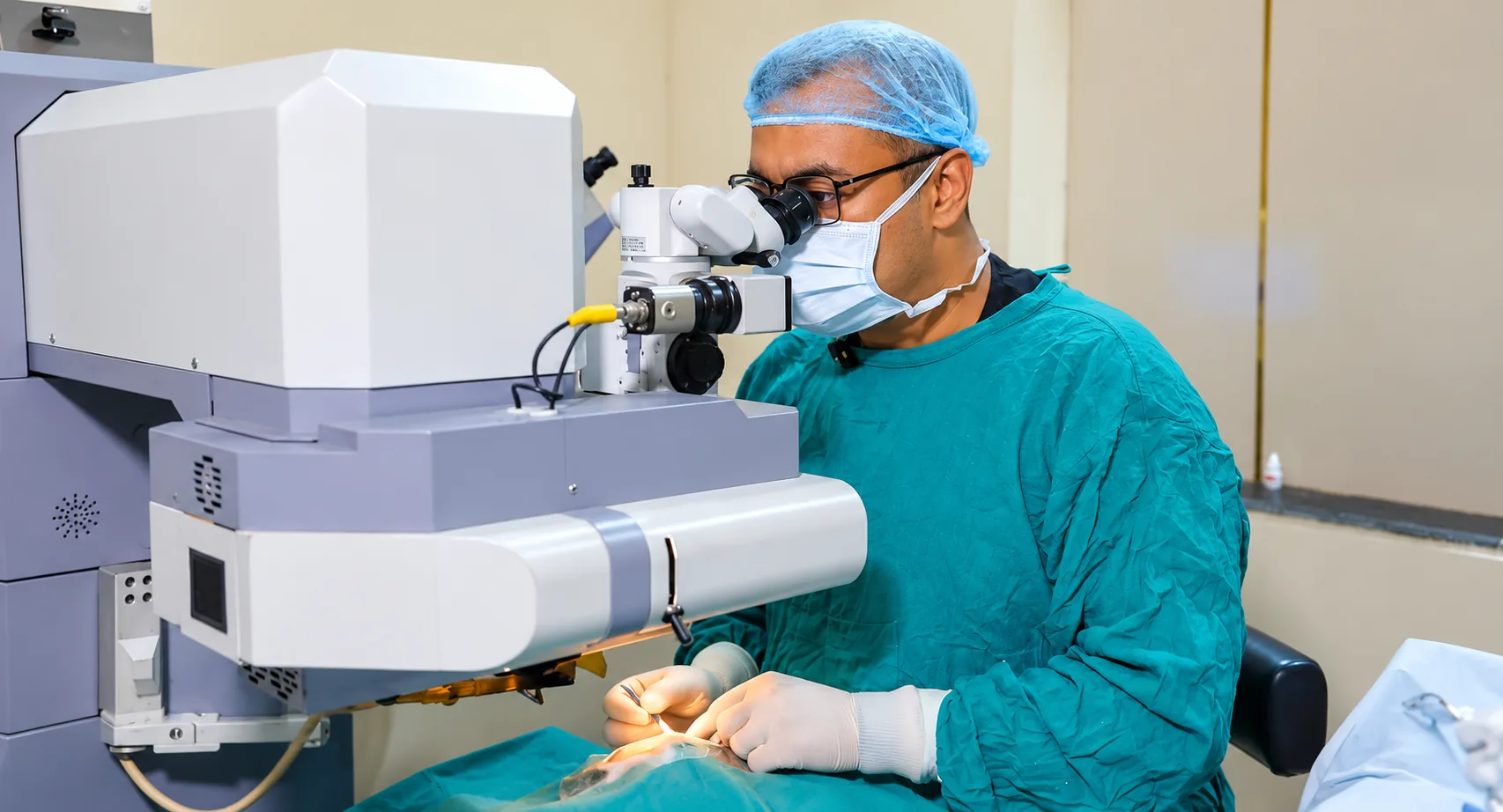
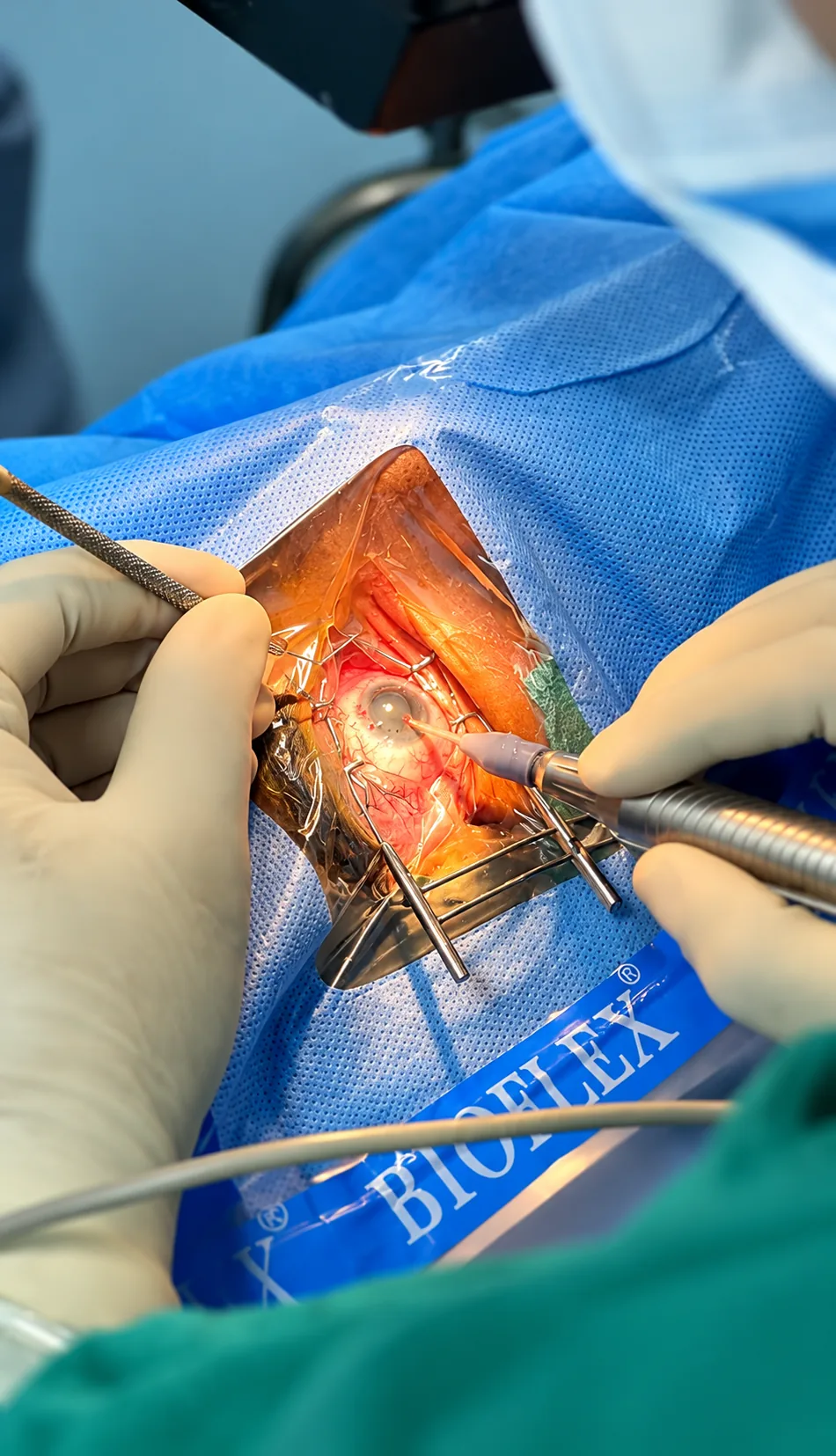
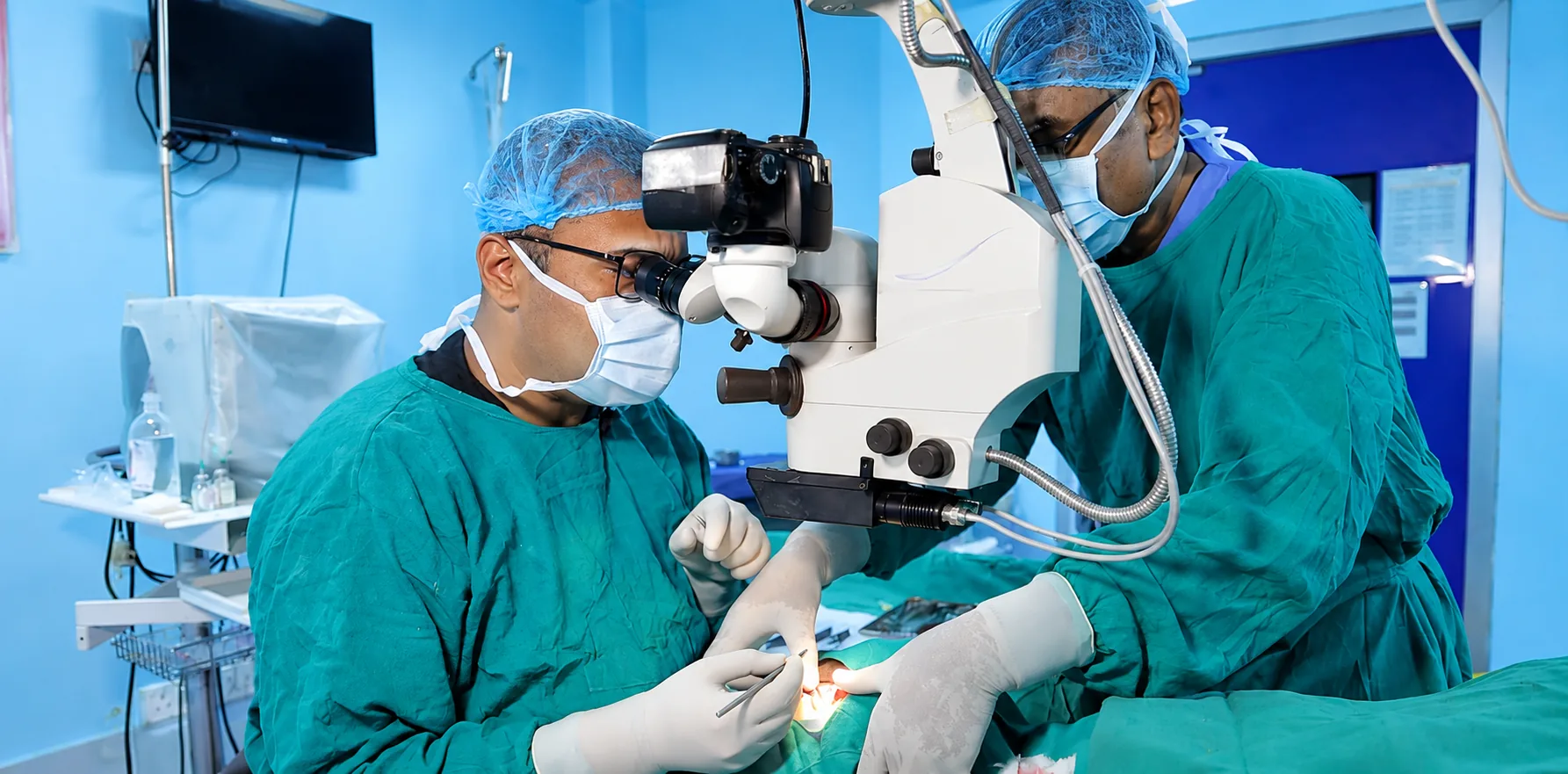
Options may include correcting a refractive error with glasses, treating amblyopia, prism lenses for selected double vision, exercises in specific cases, or eye-muscle surgery. The purpose depends on the person’s age, type of deviation, vision in each eye and underlying cause. Patching or atropine may be prescribed for some children with amblyopia, but the schedule must come from the clinician; using a patch without instruction can interfere with care. Surgery changes the position or pull of eye muscles and does not automatically remove the need for glasses or amblyopia treatment.
Ask what outcome the proposed treatment is intended to improve, how success will be measured, what alternatives exist, whether alignment may change again, and what follow-up is needed. Some plans aim at comfortable single vision, others at visual development or alignment; expectations should be explained clearly. Surgery has risks and may require further treatment. The treatment chosen for a child should be explained to the caregiver and, in age-appropriate language, to the child as well. No specific approach suits every squint.
Why repeated alignment measurements help
Alignment can vary with gaze direction, viewing distance, attention and fatigue. Recording measurements at more than one position can help the clinician understand the pattern and compare it over time. Vision checks for each eye and a refraction answer different questions from a photograph or a screening result. A screening flags a possible concern; it does not establish the diagnosis or determine whether surgery is needed.
Ask what each examination result means in ordinary language and whether glasses should be worn during the test. If a child will need drops, find out what temporary effects to expect. If an adult has new double vision, tell the clinician whether it disappears when either eye is covered; do not drive if double vision makes it unsafe. The specific examination and any imaging depend on the case. A test is useful because it addresses a clinical question, not because more tests are always better.
Helping a child or adult feel prepared
For a child, explain that the clinician will look at how both eyes work together; avoid making the visit sound like a test of effort. Bring glasses, previous reports and photographs that show the concern. Mention school or developmental observations without assuming they prove a diagnosis. Allow time for the child to respond and ask the team how to make the visit comfortable if the child is anxious, non-verbal or has sensory needs.
Adults should bring a medicine list, medical history and details of when double vision or misalignment began. Ask whether temporary measures are safe while the cause is being assessed and whether driving or work tasks should be limited. Before leaving, confirm the diagnosis or questions still being investigated, the plan for glasses or other treatment, any urgent symptoms, and the follow-up date. If surgery is discussed, request a separate explanation of expected alignment, risks, alternatives and recovery.
Follow-up supports visual development and comfort
Children’s visual systems develop over time, so consistent use of prescribed glasses or amblyopia treatment and repeat checks can matter as much as the initial visit. Ask how to fit patching or drops into the child’s routine, what difficulties to report, and how progress will be measured. Do not change the schedule because the eye appears straighter or because the child is reluctant; contact the team for practical support. Even after alignment treatment, glasses or further review may remain part of care.
After eye-muscle surgery, follow the surgeon’s instructions about drops, hygiene, activities and return visits. Contact the treating team for increasing pain, worsening vision, fever, marked redness or a new concern. In an adult, sudden new double vision or a change with neurological symptoms needs emergency assessment, not routine follow-up. The plan and expected recovery differ with the cause and procedure; written instructions from the treating clinician take priority over general web guidance.
Supporting a child or adult through treatment
An eye turn can draw unwanted attention, and a child may be teased or become self-conscious about glasses, a patch or repeated visits. Ask how the child feels and let the clinician know if treatment is affecting school, friendships or confidence. Explain the condition without blame: the eyes and brain are developing or working differently, and the child did not cause it. A teacher can help with seating, reading access and supportive language, while the family and clinician protect the child’s privacy.
If glasses are prescribed, make sure the frame fits and ask how to keep it comfortable during sport and school. For patching or drops, request specific instructions about timing, skin care and what to do if a dose is missed. A simple routine and encouragement can make treatment easier, but never increase patching time to “catch up.” Contact the care team if the child is upset, develops skin irritation or is struggling to see with the prescribed correction. Practical problems are a reason to ask for help, not to abandon the plan silently.
Adults living with double vision may need temporary changes to work, reading, driving or mobility while the cause is being evaluated. Do not drive when double vision affects safe vision. Ask whether a temporary prism or another measure is appropriate and what symptoms need emergency attention. New misalignment in an adult is not only a cosmetic concern; it may be associated with another eye or health problem, so evaluation of the cause comes first.
After assessment, keep a brief record of what was found and how each eye sees. Ask what the treatment is intended to change—alignment, double vision, visual development or another issue—and how the team will judge progress. Improvement in appearance does not always mean that vision development is complete, and a child can need continued glasses or follow-up after surgery. A calm, shared plan helps families know what to expect while leaving medical decisions to the patient, caregivers and treating clinician.
Understanding goals before choosing treatment
Before choosing treatment, ask the clinician to describe the type and direction of the deviation, whether it is constant or intermittent, how each eye sees and whether the brain is suppressing an image. The plan may be different if the main concern is a child’s visual development, an adult’s double vision or alignment. A photograph can show appearance at one moment, but treatment decisions rely on the examination and measurements. Ask what success means for your situation and how it will be checked.
If surgery is proposed, ask which muscles are being treated, whether the procedure is intended to improve alignment, double vision or another function, and whether glasses or amblyopia treatment will continue afterwards. Discuss anaesthesia, likely recovery, possible under- or over-correction, recurrence, further treatment and all alternatives. Surgery can improve alignment but cannot promise that eyes will remain perfectly straight forever or that visual development will be complete. The surgeon should explain important risks and answer questions before asking the patient or caregiver to consent.
For a child, treatment can take time and may include repeat visits during development. Make sure the caregiver understands the glasses prescription, patch schedule, drop instructions and next appointment. If the child has trouble complying, describe exactly what happens rather than changing the schedule. Small practical changes—choosing a comfortable frame, using a timer or coordinating with school—may help, but the clinician should approve any adjustment to medical treatment.
For an adult with double vision, ask what activities are safe while evaluation continues. Avoid driving if two images make it difficult to judge distance, and use caution on stairs. Sudden symptoms should be assessed urgently, especially with headache, weakness, speech changes, drooping eyelid or loss of vision. A new turn may need investigation of the cause before cosmetic or alignment treatment is considered. Once the cause and safety issues are addressed, the clinician can explain options for comfortable function.
Reviewing alignment and vision together
At each review, ask how the eye alignment compares with the previous measurement and whether vision in each eye is developing or remaining stable. A child can look more aligned and still need glasses, patching or monitoring. An adult can have less double vision in one position but still need assessment of the underlying cause. Describe what happens at home or work, including whether the turn appears only when tired or when looking in a particular direction.
Ask whether the same clinician should monitor the case, what interval is recommended, and whether a referral to another service is needed. If the child misses a patching period or refuses glasses, tell the team so that the plan can be made realistic. If an adult experiences a sudden worsening, new neurological symptoms or loss of vision, seek urgent care instead of waiting. A clear review plan tracks function and eye health, not only how straight the eyes appear in a photograph.
Bring any previous eye reports, your current spectacles and a list of medicines or eye drops you use. Your clinician can explain which examinations or options are relevant to you.
Read the patient visit guideThis information is for general education and does not replace a personal consultation. Treatment recommendations vary from patient to patient and are made only after a detailed eye examination.