










Understanding cataract and the natural lens
A cataract is clouding of the eye’s normally clear natural lens, which helps focus light. It usually develops gradually, and age is a common factor, but cataracts can also occur in other circumstances, including after an eye injury or alongside certain health conditions. A cataract is not a film that can be washed away with drops. In its early stages it may cause little difficulty; when it changes vision, a person may notice that everyday tasks are becoming harder.
The decision to consider cataract surgery is based on how the cataract affects the person and what the examination shows—not simply on age or a particular visual-acuity number. New glasses, brighter lighting, or other adaptations may help some people for a time. When a cataract significantly interferes with daily life and surgery is appropriate, the cloudy natural lens is removed and an artificial intraocular lens (IOL) is placed. The correct choice depends on the whole eye and the person’s priorities, so no lens type is “best” for everyone.
Changes in sight that may need checking
Common experiences include blurred or hazy vision, colours seeming less vivid, glare from sunlight or headlights, difficulty seeing at night, needing brighter light to read, and frequent changes in spectacle prescription. Some people notice halos, double vision in one eye, or that a familiar task takes longer. These changes can also arise from other eye conditions, so symptoms alone cannot establish that a cataract is responsible. A sudden drop in vision or a painful red eye should not be attributed to a cataract without prompt examination.
Describe the specific impact on daily life: reading, cooking, recognizing faces, walking outdoors, driving, work, or hobbies. Tell the clinician which situations feel unsafe or frustrating and whether one eye seems different. This practical information helps make a shared decision about timing. If spectacles, lighting or magnification are still meeting a person’s needs, surgery may not need to happen immediately. If important activities remain difficult despite correction, ask what the examination shows and what reasonable options are available.
Cataract types and factors that shape a plan
Cataracts can occur in different parts of the lens and can have different causes. An age-related change is common, while cataracts may also be present from birth or develop after trauma, certain medicines, or other eye or general-health conditions. The type and location of clouding can affect how it changes vision. A person can also have more than one eye condition at a time—for example, a cataract along with a retinal, corneal, optic-nerve, or glaucoma problem.
Those other conditions matter when setting expectations. Removing a cataract can improve the blur that the cataract itself causes, but it cannot reverse damage to another part of the eye. The clinician should explain any limits revealed by the examination and whether additional assessment is needed before a decision. Share prior eye operations, injuries, medical conditions, medicines, allergies and the kind of vision that matters most to you. A realistic discussion includes both the likely benefits and the limits and risks relevant to that individual.
What a cataract assessment may include
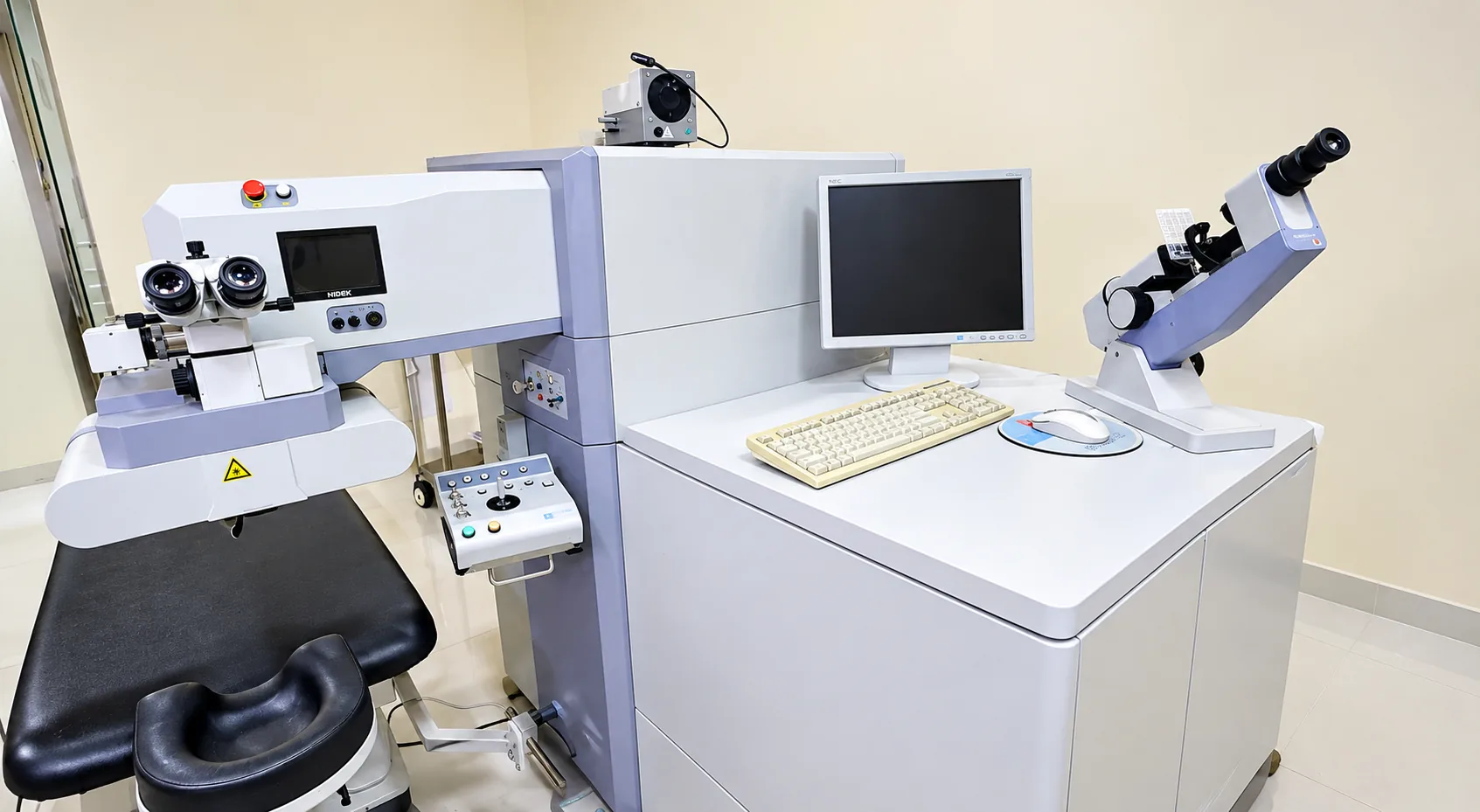
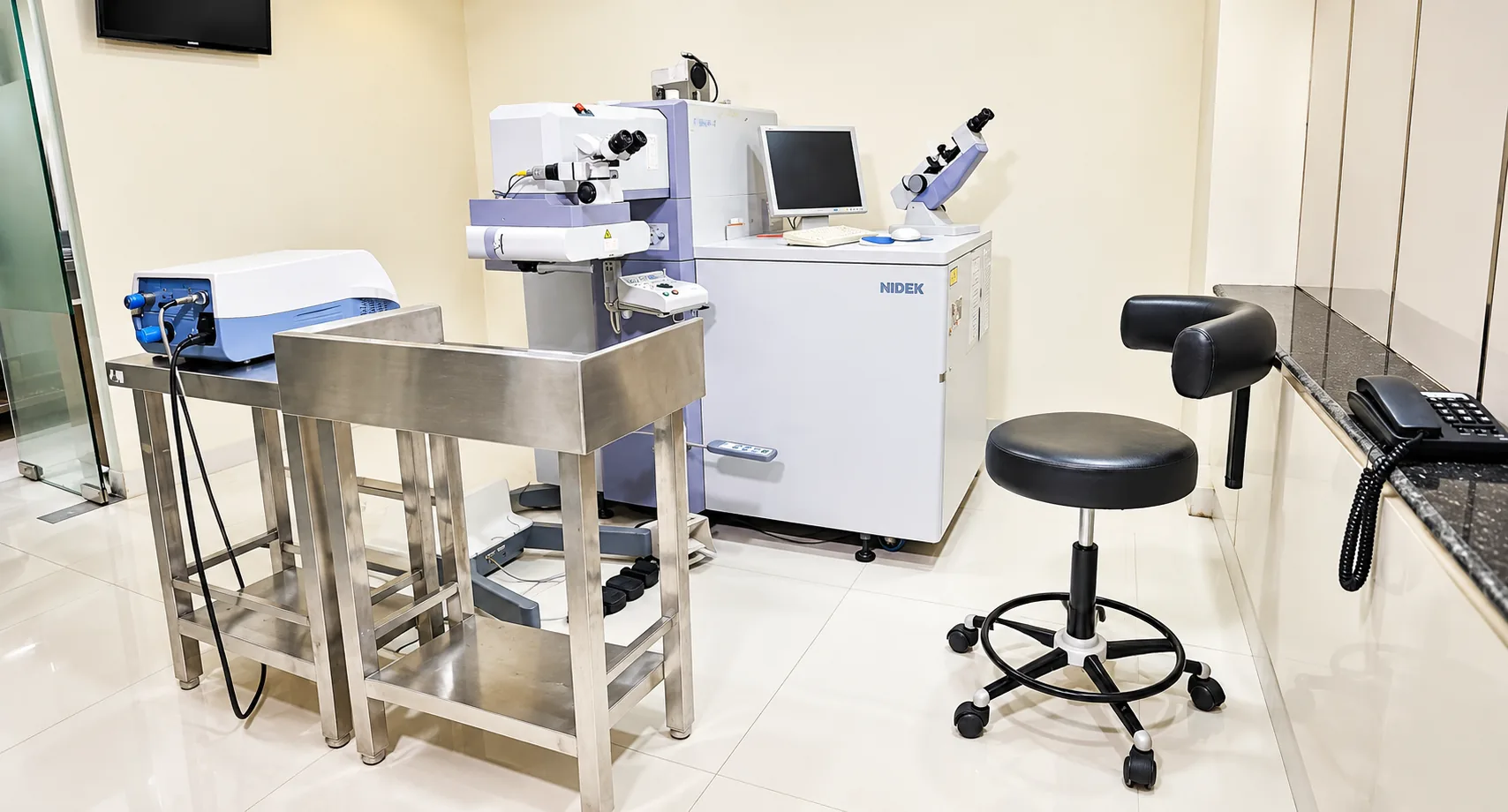
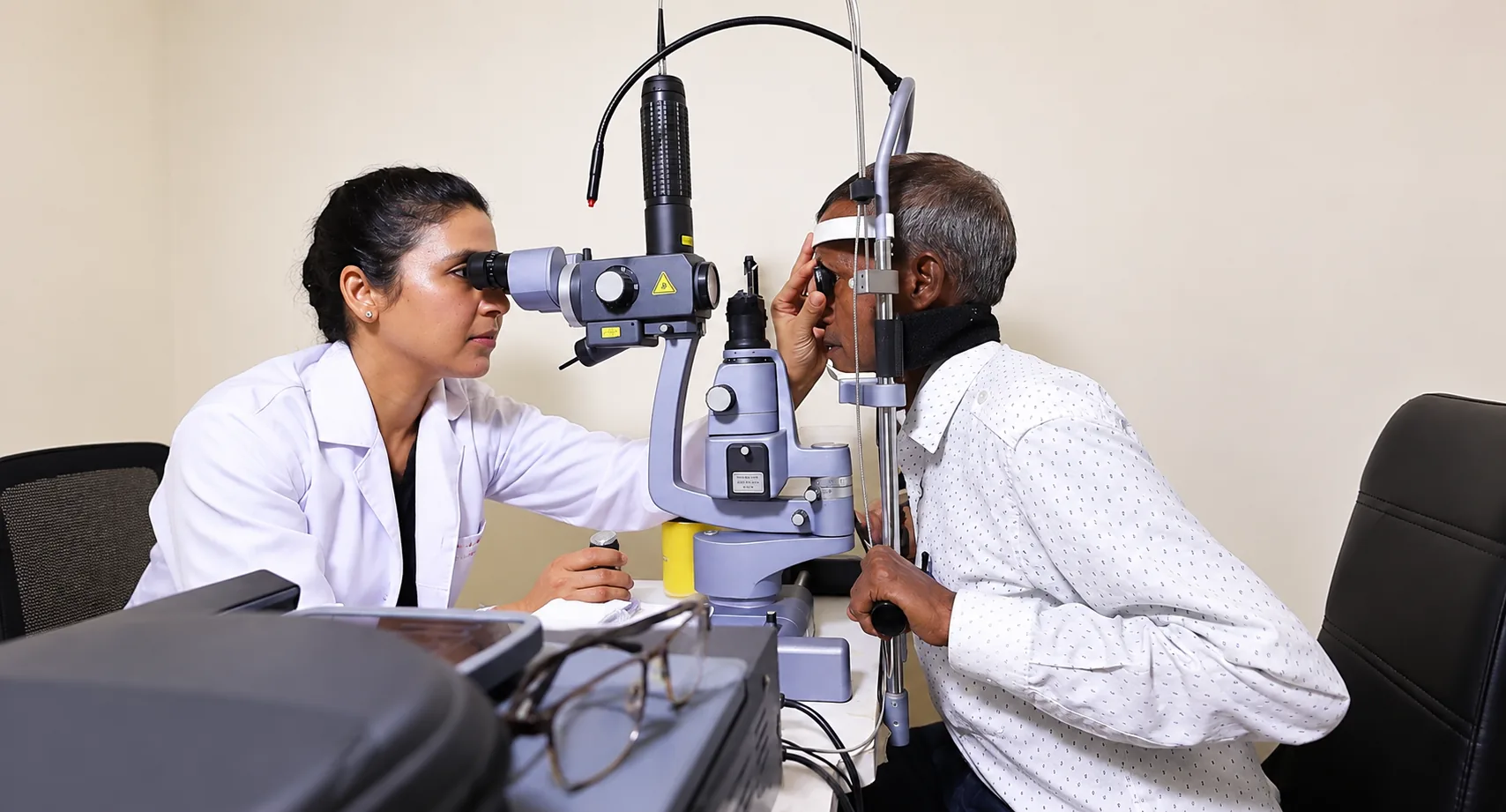
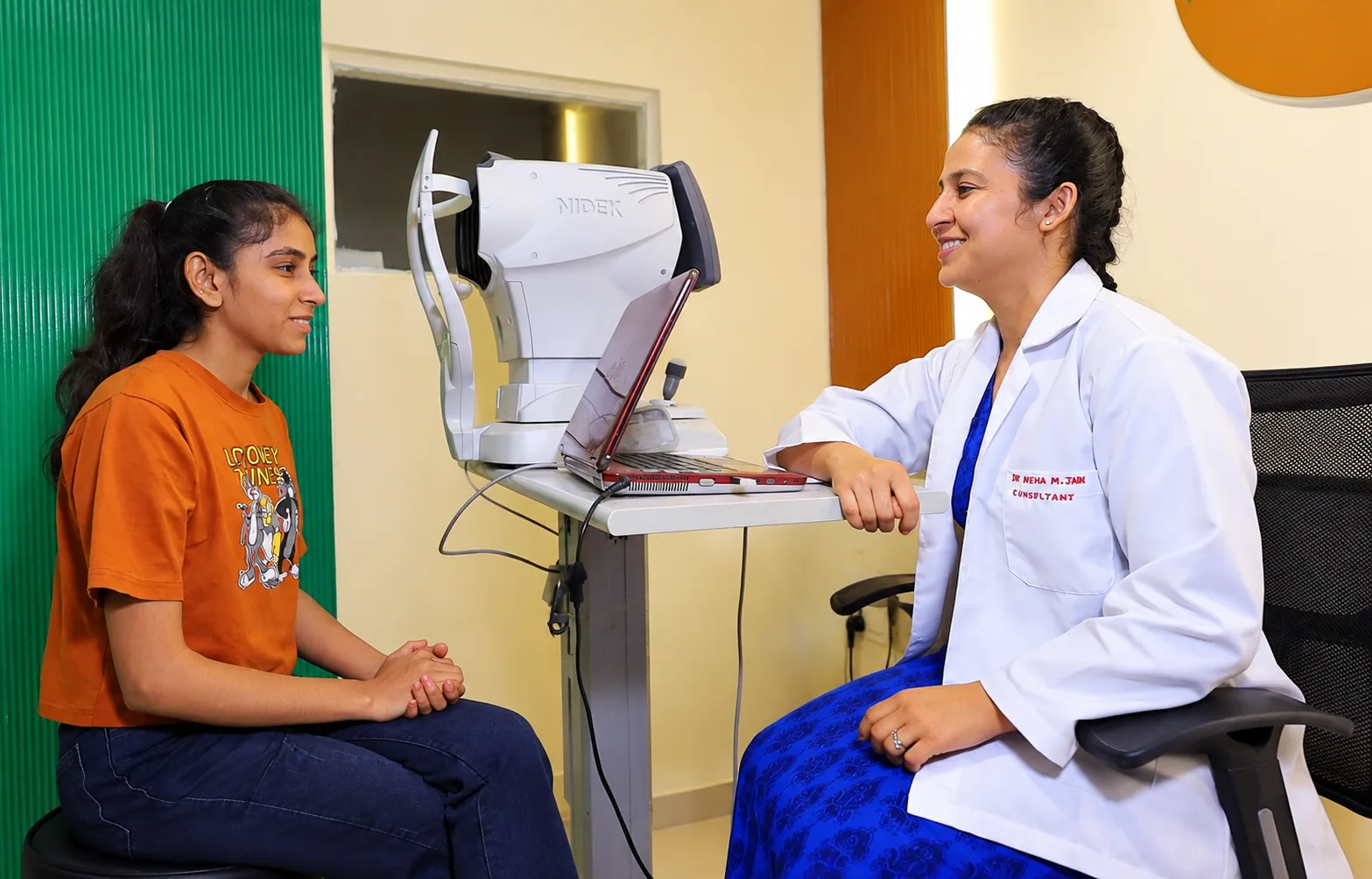
An eye assessment usually begins with a discussion of symptoms and health history, followed by checks of vision and refraction. The clinician examines the front and back of the eye; dilating drops may be used so the lens and retina can be viewed more fully. If a cataract prevents a clear view of the back of the eye, the clinician will explain what can and cannot be assessed. Measurements taken before surgery help plan an IOL, but they do not remove the need to examine the rest of the eye.
Useful questions include: Is the cataract the main reason for my current difficulty? Is anything else limiting my vision? What could change if I wait? What measurements or additional checks do I need? What should I do about my usual medicines and eye drops? Bring current spectacles, previous eye reports, a list of medicines and information about past eye surgery. Do not stop prescribed medicines on your own. The surgeon or care team should give patient-specific instructions after reviewing the complete history.
When surgery and lens choices are discussed
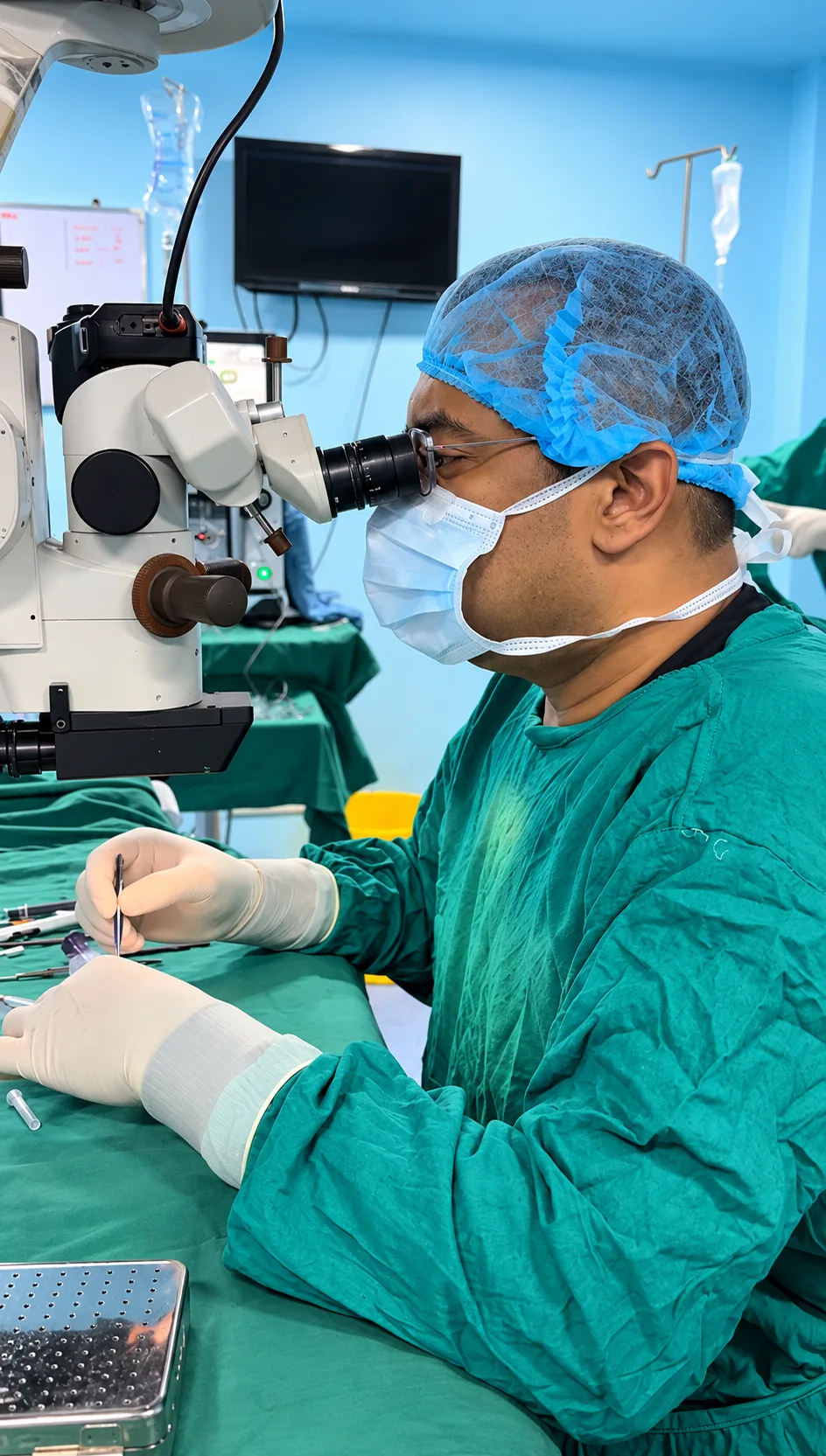
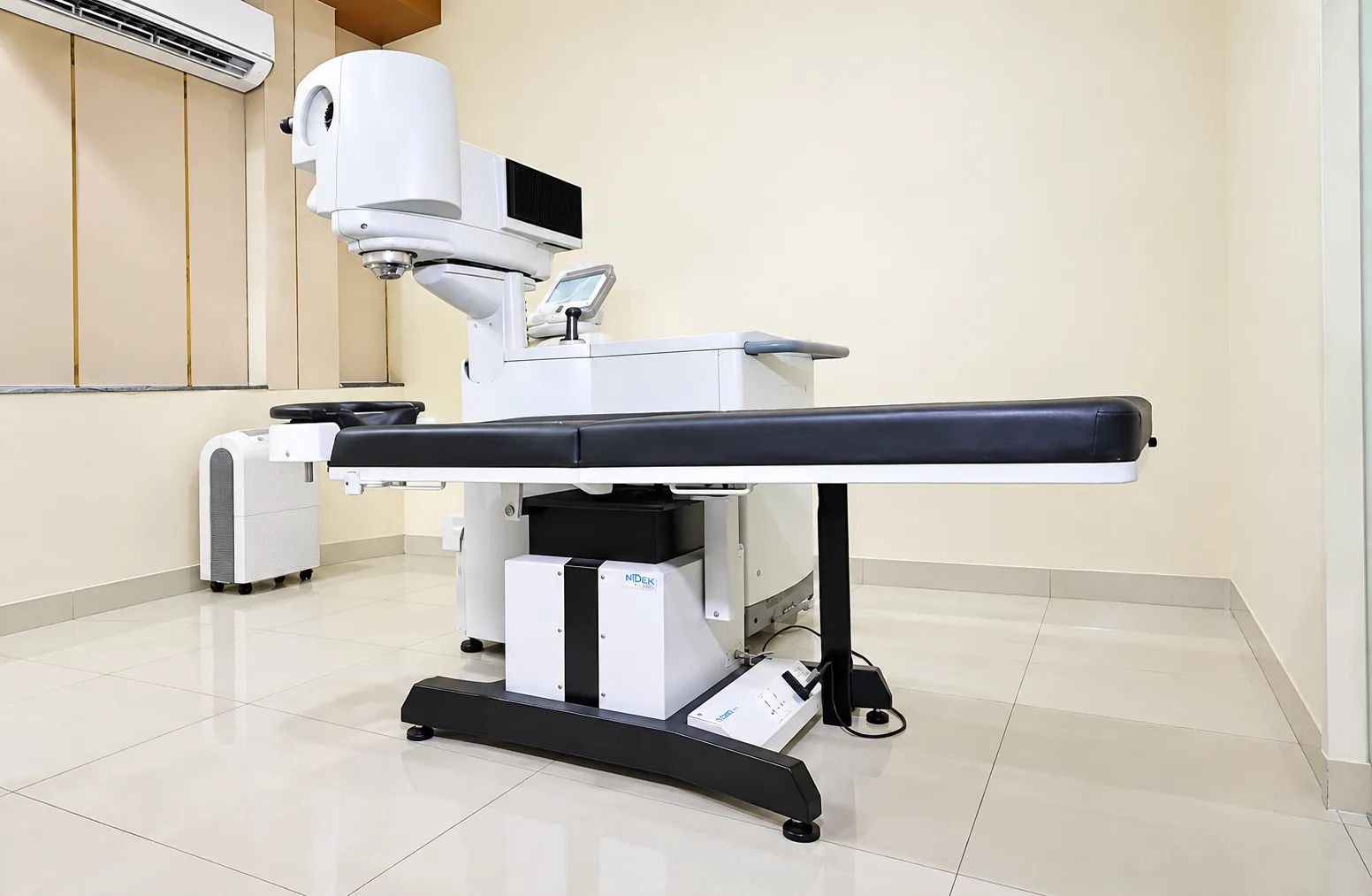
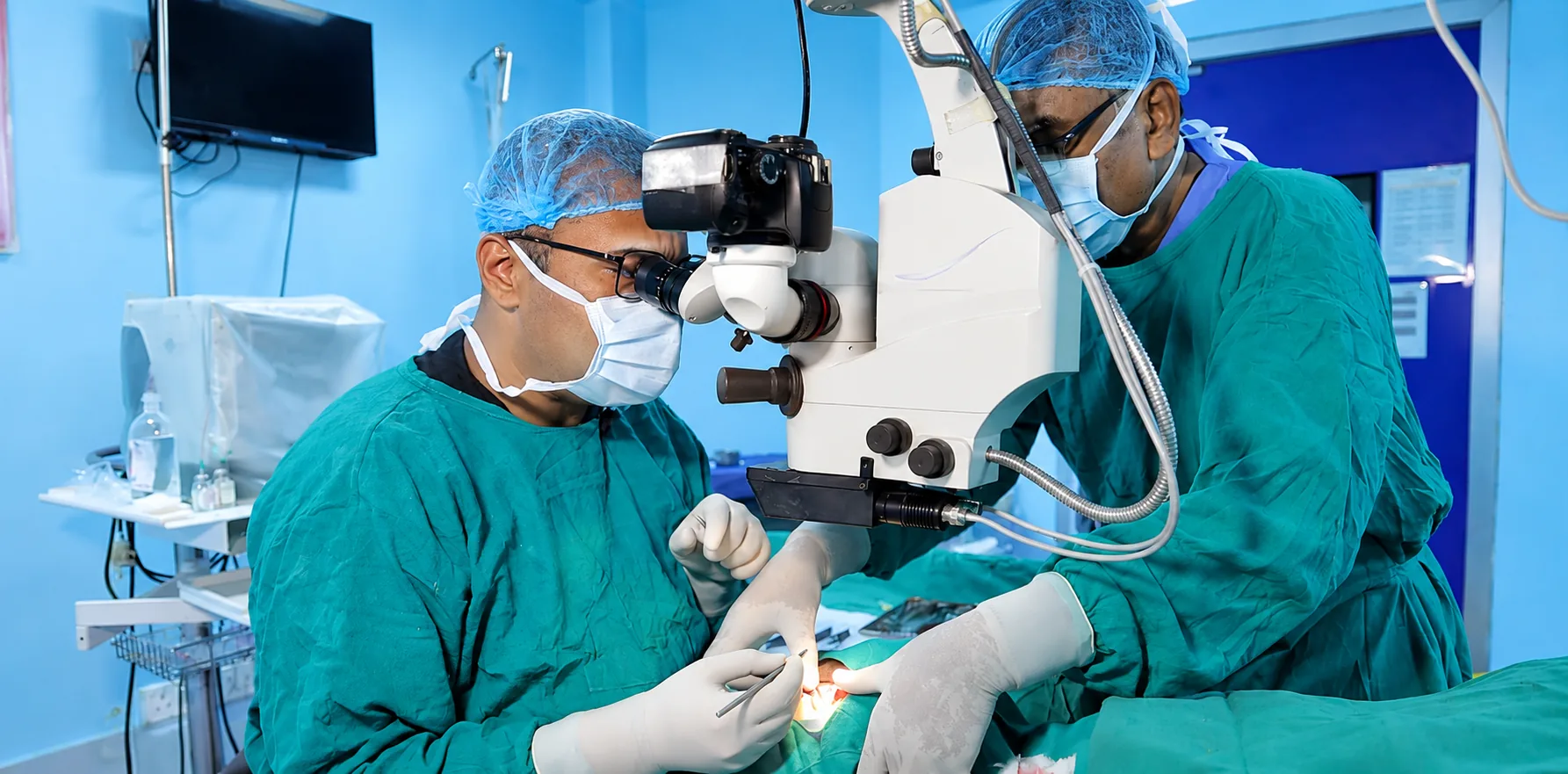
For a cataract that is affecting vision, surgery is the treatment that removes the cloudy lens. During the procedure, the natural lens is removed and an artificial IOL is placed inside the eye. The timing, surgical method, setting and instructions depend on the patient and the clinician’s assessment. Ask the surgeon to describe the planned procedure in plain language, its expected benefit for the activities that matter to you, the important risks, and the alternatives—including waiting when that is reasonable.
IOL choices can include lenses designed for different focusing needs. Some may reduce dependence on glasses for certain distances, while others may be selected for particular optical considerations; every option brings trade-offs. The right lens cannot be selected from a marketing label alone. Discuss pre-existing astigmatism, other eye disease, the need for reading or distance glasses, night-time glare and your tolerance for visual effects. Confirm which lens types are actually offered by the hospital rather than assuming availability from general information online.
Measurements, lens planning and informed consent
Before cataract surgery, measurements are used to estimate the IOL power and support a personalised plan. Results can be influenced by features of the eye and by previous procedures, and sometimes a measurement is repeated or another check is requested. The surgeon should explain what is being measured and how uncertainty is handled. A calculation supports clinical judgment; it cannot promise a specific spectacle prescription or guarantee that glasses will never be needed again.
Use the consent conversation to check what is included in the plan and what is not. Ask who to contact if you have a new symptom before the procedure, whether one or both eyes are being considered, how the date is arranged, what transport or assistance is needed, and which costs or lens options should be confirmed in advance. If you do not understand an option, ask for a comparison in writing. Clear consent means understanding the choice, expected outcome, uncertainties, alternatives and relevant risks—not simply signing a form.
Preparing for a cataract procedure
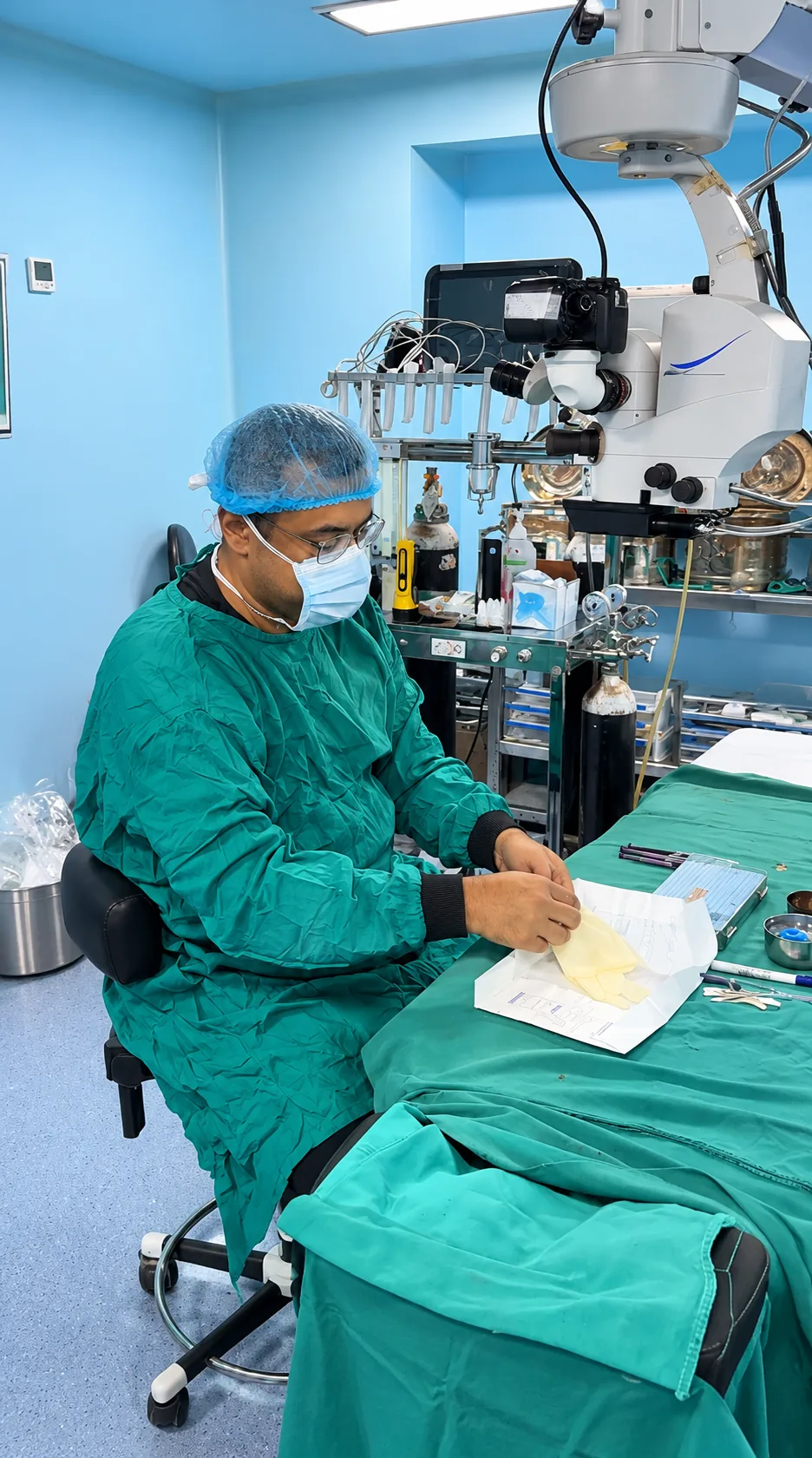
Once the surgeon and patient decide to proceed, the team should provide instructions tailored to the person’s health and planned procedure. Confirm the appointment location and time, fasting instructions if any, how to use regular medicines and eye drops, and whether someone needs to accompany you. Do not rely on general internet instructions to change anticoagulants, diabetes medicines, or other prescriptions. Bring identification, current prescriptions, previous reports and the contact details requested by the hospital.
Before the day, write down the agreed IOL choice and questions that remain. Let the team know about allergies, a recent illness, breathing or movement difficulties, anxiety, or any change in health. Ask what support is available for communication or mobility. Follow only the preparation instructions supplied by your clinician; different patients may receive different directions. If you are unsure whether you should attend or take a medicine, telephone the clinical team rather than guessing.
Aftercare, recovery and urgent warning signs
Vision may change as the eye recovers, and the pace of recovery differs from person to person. Use drops exactly as prescribed, attend the arranged follow-up, and follow the surgeon’s instructions about eye protection, washing, lifting, bending, work and driving. Do not start an unprescribed drop or stop the postoperative medicines because the eye feels comfortable. Ask when it is safe to resume each routine activity; there is no single timetable that suits everyone.
Contact the surgical team promptly if pain is worsening, vision suddenly worsens, redness increases, discharge appears, or you are worried about a new symptom. Severe pain or sudden visual loss needs urgent assessment. Ask in advance which phone number to use after clinic hours and what symptoms should send you to emergency care. Once the clinician confirms the eye is stable, an updated spectacle prescription may be considered if needed. Surgery can address a cataract; routine eye checks remain important for other conditions and the other eye.
Deciding when the change affects daily life
There is no universal point at which every cataract must be operated on. A useful decision starts with the person's priorities: which activities have become difficult, whether the problem persists with current glasses, whether glare makes travel feel unsafe, and whether waiting feels acceptable. Write down two or three examples before the appointment. “Reading takes longer” or “I cannot see the step at dusk” helps the clinician connect examination findings to real life more effectively than a general statement that sight is poor.
If you and the clinician decide to wait, ask what could make daily tasks safer in the meantime. Brighter task lighting, updated spectacles, larger print, reducing glare and taking care around stairs may help some people. Do not drive when vision does not meet legal or safety requirements; confirm your own situation with the clinician and local rules. Ask what changes should prompt an earlier review. A monitoring plan is an active choice, not an instruction to ignore worsening sight.
Before choosing an IOL, talk about how you use your eyes throughout the day. Someone who values distance vision may make a different choice from someone who prioritises near tasks, and astigmatism or retinal disease may affect what is sensible. Ask which distances the proposed lens is intended to support, whether spectacles may still be needed, what visual effects are possible, and what is not included in the quoted fee. The surgeon should relate options to the findings in your own eyes, not merely to a lens category.
People may worry about surgery because of age, other health conditions or a previous difficult experience. Share concerns early. The team can explain preparation, whether another clinician should contribute, how transport and help at home could be arranged, and which questions remain unresolved. If the explanation feels rushed, request time to think or another discussion. A clear decision includes expected benefit, important risks, alternatives, likely recovery, cost and a contact plan if a problem arises.
Making an informed choice about the whole care journey
The operation is only one part of cataract care. Before agreeing to a date, understand the pre-operative checks, the plan for the eye that will be treated, how the other eye will be considered, what support is needed afterwards, and which visits are included. If cataracts affect both eyes, ask why the proposed timing is recommended and what would make the team alter it. The answer depends on your examination and health; do not copy a relative’s schedule.
Bring a written list of all medicines, supplements and allergies. Ask specifically which medicines to take or pause on the procedure day, but make no changes until the prescribing or surgical team gives personal instructions. People with diabetes, heart or lung disease, mobility limitations or difficulty lying flat should mention this during planning. An interpreter or family support person may help make sure details are understood. Share concerns early so the team can plan for a safe, accessible appointment.
Before choosing a lens, consider your usual tasks, not only a distance chart. Reading, sewing, cooking, computer work, driving and moving around unfamiliar places may require different focusing needs. Ask the surgeon to explain the trade-offs and expected use of glasses for each option in your case. If you have another retinal, corneal or optic-nerve condition, ask how that affects the expected result. A lens may focus light, but it cannot treat damage elsewhere in the eye.
After the operation, arrange transport if dilation or the procedure means you should not drive, and ask whether help at home is advisable. Keep prescribed drops separate from other medicines and use the schedule provided. Place the emergency contact number where you or a caregiver can find it. If instructions conflict with a general online article, follow the plan from the team that examined and treated you, and call them to clarify anything that is unclear.
A short checklist for the cataract discussion
Take a short written checklist into the consultation. Ask whether the cataract explains the difficulty you notice, what another eye condition may contribute, whether you can safely wait, what the intended benefit of surgery is, and which IOL options match your priorities. Ask how the surgeon handles uncertainty in the lens measurement and what visual tasks may still need glasses. If you do not understand one of the trade-offs, ask for an example related to reading, computer use, driving or another familiar activity.
Before leaving, write down the agreed next step, any additional test, the name of the team to contact and the symptoms that need urgent attention. If you decide to monitor rather than operate, ask when the next examination is due and how to return earlier if sight changes. If surgery is chosen, wait for the treating team’s instructions before changing medicines or booking travel. A clear plan makes it easier to make a decision without feeling rushed and helps the caregiver provide the right practical support.
Bring any previous eye reports, your current spectacles and a list of medicines or eye drops you use. Your clinician can explain which examinations or options are relevant to you.
Read the patient visit guideThis information is for general education and does not replace a personal consultation. Treatment recommendations vary from patient to patient and are made only after a detailed eye examination.