





Why children’s eye health deserves attention
Clear vision supports learning, play, movement and social connection, but a child may not know that their sight is blurry. Children often adapt to what they can see and may not complain. A vision screening can identify some children who need further evaluation; it is not the same as a comprehensive eye examination and cannot diagnose every eye or vision problem. The right check depends on age, development, symptoms, risk factors and local clinical guidance.
Children can experience refractive errors, amblyopia, strabismus, cataract, eye-surface problems, injury and other conditions. Some are obvious; others are not. An early, suitable assessment is especially important when a caregiver, teacher or clinician notices a concern, when the child was born prematurely, or when there is a relevant family history. The purpose is not to medicalise normal childhood, but to find a problem that may benefit from timely care and explain what families can do next.
Clues to watch for at home and school
Signs can include an eye turning, frequent squinting, holding books close, sitting very near a screen, tilting the head, closing one eye, poor tracking, repeated headaches during visual tasks, light sensitivity, or difficulty seeing the board. A child may avoid reading, lose their place, stumble, or struggle with catching a ball. These behaviours can have many explanations and should not be used to label a child. Ask the child what they see and invite teachers to describe specific classroom situations.
An eye can look normal even when vision differs between the eyes. Conversely, a child may have an eye turn without reporting blur. Sudden onset of double vision, severe pain, a new drooping eyelid, injury, marked redness or sudden vision loss should be checked urgently. A white reflection in a pupil in photographs is another reason to contact a clinician promptly. Do not wait for a routine school screening when a child has a new or worsening symptom.
Common childhood conditions, explained clearly
Refractive errors change how clearly the eye focuses. Myopia blurs distant objects; hyperopia and astigmatism can also affect vision in different ways. Amblyopia is reduced visual development that can occur when a child’s brain receives a persistently blurred or unequal image, for example from a strong prescription difference, strabismus or an obstruction such as cataract. Strabismus means the eyes are misaligned. The terms are sometimes confused, but they describe different issues and each may need an individual plan.
Childhood cataracts, eyelid problems, corneal conditions and inherited retinal or optic-nerve conditions are less common but can matter greatly for development. Prematurity and family history can raise the need for closer attention, but they do not automatically mean that a child has an eye disease. Share relevant birth and health history with the clinician. Avoid internet diagnosis and avoid blaming a child for not reporting vision problems. An examination should explain which condition is present and how the family can support treatment.
Screening and a full examination are different
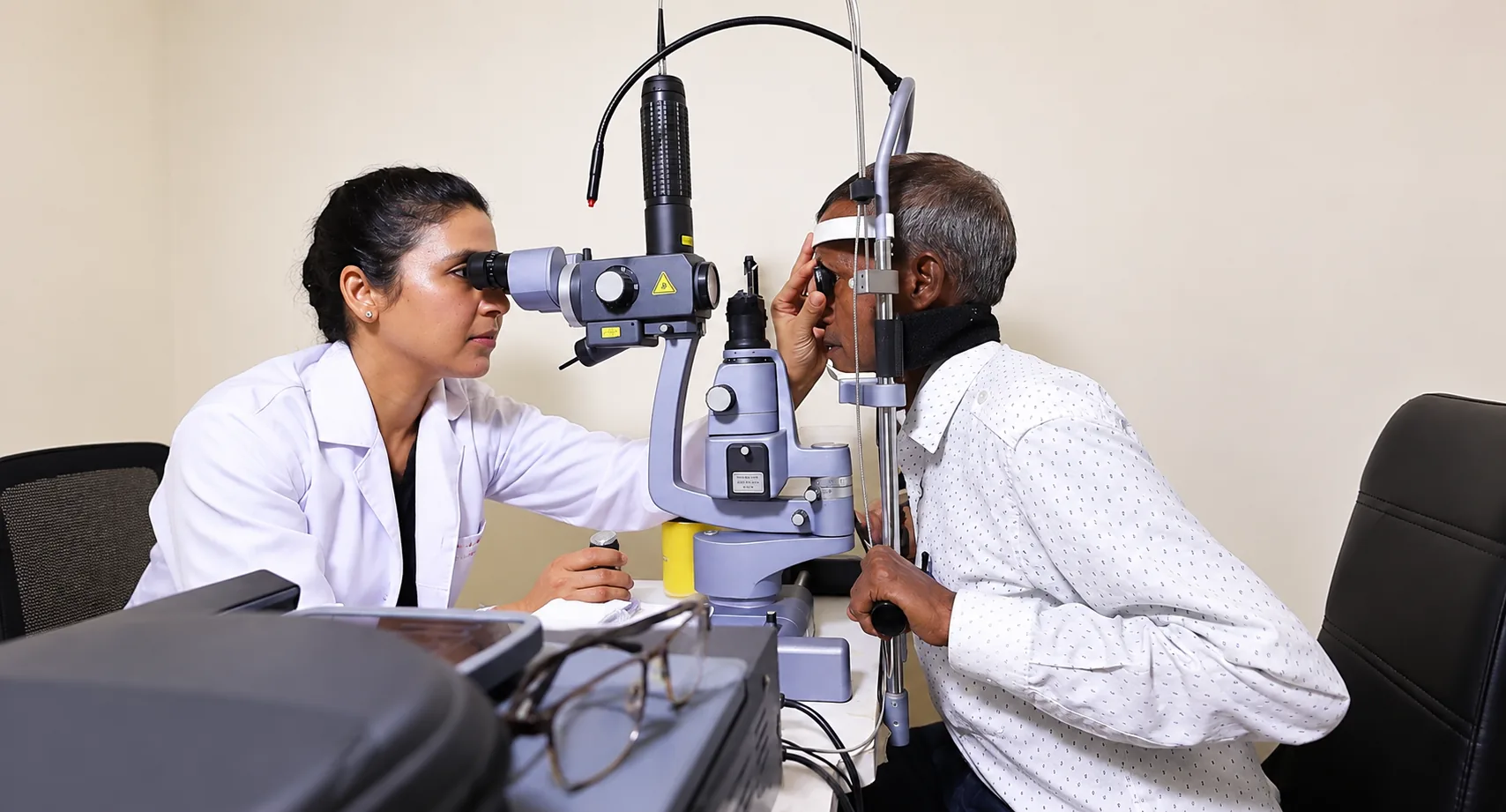
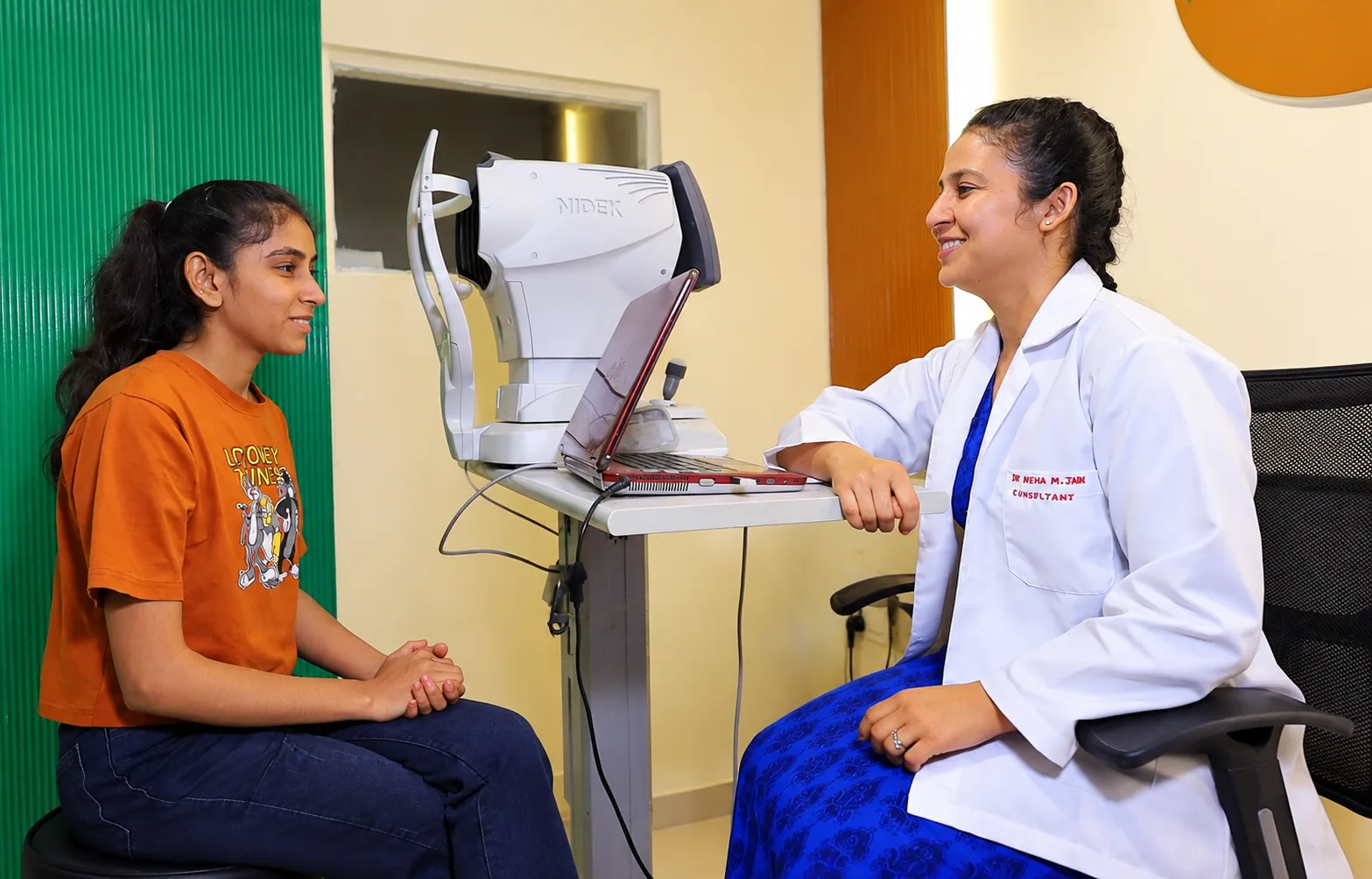
A screening is a brief check designed to spot possible problems and decide whether further assessment is needed. A comprehensive examination may include an age-appropriate vision test, eye alignment and movement checks, pupils, refraction, and examination of the eye’s structures. Some children need dilating drops to measure refractive error accurately or view the back of the eye. A young child does not have to read letters to be examined; the clinician adapts methods to age and ability.
Tell the clinician about symptoms, school observations, family history, prematurity, medicines and previous eye checks. Bring glasses and earlier prescriptions. Ask whether the visit is a screening or a comprehensive exam, what was checked, and whether any finding needs repeat testing or referral. If the child did not cooperate with one test, ask whether the result is reliable and how it can be completed later. A normal screening does not override new symptoms or a strong family concern.
Treatment and support depend on what is found
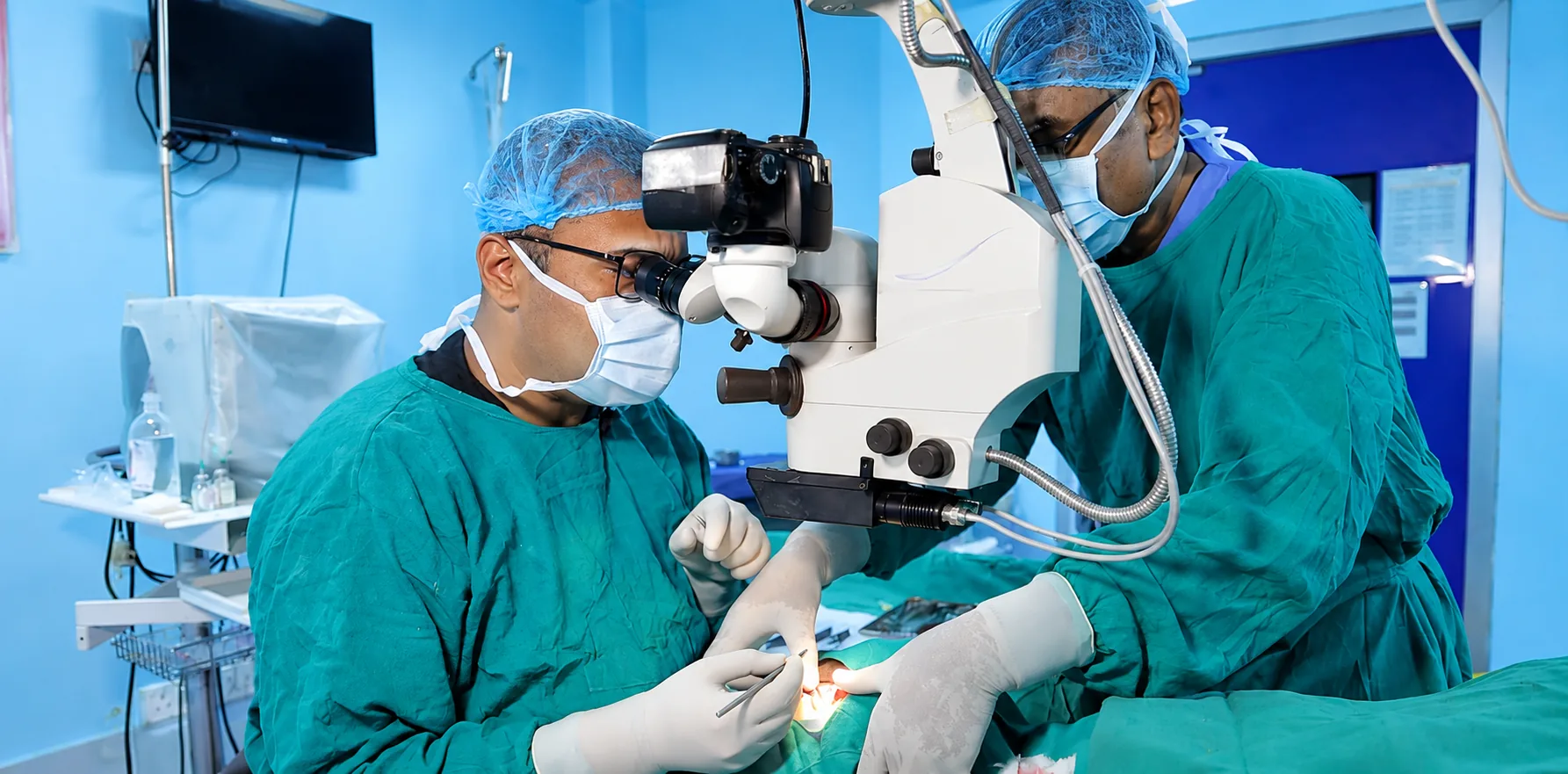
Treatment may be as simple as prescription glasses and routine monitoring, or may involve amblyopia treatment, management of strabismus, drops, a procedure or referral. For amblyopia, correcting refractive error and encouraging use of the weaker eye may be part of care; patching or atropine should be used only on the clinician’s schedule. A parent should not patch the stronger eye based on a video or another child’s plan. The clinician will explain the reason, duration, expected challenges and how vision will be rechecked.
If surgery is discussed, ask what developmental or medical problem it is intended to address, what it can realistically improve, what alternatives are available, and what risks and follow-up are expected. Glasses are not a failure and should be fitted and worn as directed. A child may need encouragement and practical help to use them consistently. Coordinate with school staff when appropriate, while keeping private health details limited to what is needed to support the child.
Age-appropriate tests and clear explanations
Eye charts are only one way to assess vision, and they work only when a child can understand and participate. Clinicians may use matching pictures, shapes, preferential-looking methods or other age-appropriate approaches. Alignment tests, refraction and examination of the front or back of the eye answer different questions. Drops may temporarily make near focus blurry and light uncomfortable; ask what to expect and whether the child should bring sunglasses.
No single chart or phone app replaces a professional assessment. If the child’s results were incomplete, ask what conclusion can safely be drawn and whether another visit is needed. Request a written summary of the prescription, the plan and the next review. A teacher’s concern can be valuable context but is not a diagnosis. Confirm which tests are offered at the hospital and whether the child needs any preparation before arriving.
Making an appointment easier for a child
Use simple, calm language: the clinician will check how the eyes see and work together. Do not promise that no drops or tests will be used; instead tell the child the care team will explain what happens. Bring comfort items if useful, the child’s glasses, old reports, a list of medicines and any referral note. Describe the concern with concrete examples: “cannot see the board from the third row” is more useful than “eyes seem weak.”
Tell the team about communication needs, sensory sensitivities, developmental differences, anxiety or mobility support. Let the child answer when they can, and allow breaks. Ask how long the visit may take, whether drops are likely, and what happens if the child cannot complete a test. At the end, ask the clinician to explain the findings in parent-friendly language and to tell the child, where suitable, what they can expect next.
Helping a child follow the plan
For prescribed glasses, help the child use and care for them as directed; arrange a comfortable fit and ask the optician or clinician about adjustments. For drops or patching, follow the exact schedule and ask for practical tips if the child resists. Amblyopia treatment works through consistent, supervised use and follow-up, not by increasing the treatment time independently. Tell the clinician about skin irritation, drop difficulty, school problems or distress so that the plan can be reviewed.
Keep recommended check-ups even when a child appears to see well. Vision needs can change as the child grows, and some conditions are silent. Contact the care team sooner for a new turn, sudden blur, pain, injury, a white pupil reflection, or a rapid change in behaviour that suggests the child cannot see. Sudden visual loss or a serious injury requires urgent care. The child’s clinician should set the review schedule based on findings rather than a generic online timetable.
Working with family and school
Families and teachers can help describe how a child uses vision across different settings. Ask which activity is difficult, how often it happens and whether a small change—moving nearer to the board, improving contrast or allowing a copy of displayed work—helps. These observations give the eye-care professional useful context, but a school adjustment is not a diagnosis or substitute for clinical follow-up. Share only information the school needs to support the child, and explain any classroom plan in a way that protects the child’s dignity.
After an examination, write down the prescription, whether spectacles should be worn all day or for specific tasks, how drops or patching should be used, and the next review date. If the child has amblyopia, treatment can require patience; ask for practical guidance instead of extending or stopping it independently. Tell the clinician if the child refuses glasses, has skin discomfort, struggles with patching at school or is being teased. A plan that fits a real routine is more sustainable than an unclear instruction.
Children with developmental, sensory, mobility or communication differences may need extra time or an adapted approach. Tell the appointment team in advance what helps the child participate, such as a quieter waiting area, a familiar caregiver, short instructions or breaks. A child who cannot complete a standard chart is not necessarily unable to have an eye assessment; the clinician can explain alternative methods and whether results are complete enough to guide decisions. Avoid describing a child as uncooperative when the test method may not match their needs.
At home, keep glasses in a consistent place and make lens care part of the morning and evening routine. Encourage children to tell an adult if vision seems different or an eye hurts. Praise effort without making clear sight a test of behaviour. If the clinician recommends follow-up, keep it even when school performance improves; better classroom access does not show that the underlying condition has resolved. Ask the care team how progress will be measured and what changes should prompt an earlier return.
Building a routine that supports clear vision
Families can make eye care part of ordinary child health rather than waiting for a dramatic complaint. Follow local recommendations for age-appropriate checks and arrange an assessment sooner if a child has symptoms, a visible turn, a failed screen or a clinician’s concern. A family history or premature birth may affect the recommended timing. Ask the child’s paediatrician or eye-care professional what schedule applies locally; there is not one universal timetable for every risk profile and testing setting.
Balanced daily routines support general health. Encourage outdoor play, adequate sleep, comfortable lighting and breaks during long periods of near work. These habits are not a cure for refractive error and should not be presented as a way to reverse amblyopia or strabismus. Avoid shaming a child for screen use or reading. If a child has headaches, eye strain or difficulty focusing, the answer is not automatically to remove all screens; first determine whether a vision problem, health concern or another issue needs attention.
Choose toys and activities appropriate to the child’s age, and supervise objects that can injure the eye. Use protective eyewear for sports or activities with a risk of impact or flying particles, following the sport’s safety guidance. Keep medicines, cosmetics and household chemicals out of reach. If an injury occurs, do not press on the eye or try to remove an embedded object. Seek urgent care for serious trauma, a chemical splash, sudden sight change or severe pain.
Teach older children to report changes, protect their spectacles and follow safe contact-lens hygiene if lenses are prescribed. Teenagers should understand not to share lenses, sleep or swim in them contrary to medical instructions, or use unprescribed cosmetic lenses. The prescribing clinician should decide when a child is ready to manage lenses and what adult supervision remains necessary. Positive routines and open conversations make it more likely that a child will speak up when something feels wrong rather than hiding a problem.
Keeping the child’s vision plan up to date
Children grow and their vision needs can change. Keep copies of prescriptions and visit summaries so a new clinician can see what was checked and when. If the child changes school, starts a visually demanding activity or begins reporting headaches or blur, share that information at the next visit or call sooner if symptoms are significant. Do not wait for the annual school screening to address a new concern. At the same time, avoid repeatedly testing a child at home in ways that cause anxiety; use professional guidance for monitoring.
Before ending a visit, ask the clinician to explain what the child can see with the prescribed correction, whether each eye needs further monitoring and exactly when to return. Confirm who can answer questions between visits. If the child is old enough, ask them to repeat what they should do if glasses break or an eye hurts. A simple, shared plan helps parents, child and school support vision without placing medical responsibility on the child alone.
Bring any previous eye reports, your current spectacles and a list of medicines or eye drops you use. Your clinician can explain which examinations or options are relevant to you.
Read the patient visit guideThis information is for general education and does not replace a personal consultation. Treatment recommendations vary from patient to patient and are made only after a detailed eye examination.